

Principle and Working Scene Characteristics of Corn Kernels Pneumatic Conveying Equipment
For agricultural and food processing industries, the efficient and reliable transportation of corn kernels is crucial. Pneumatic conveying systems offer a solution that combines simplicity, flexibility, and effectiveness in moving bulk materials like corn kernels. This article explores the fundamental principles behind corn kernels pneumatic conveying machines and highlights key working scene characteristics that make them suitable for various applications.
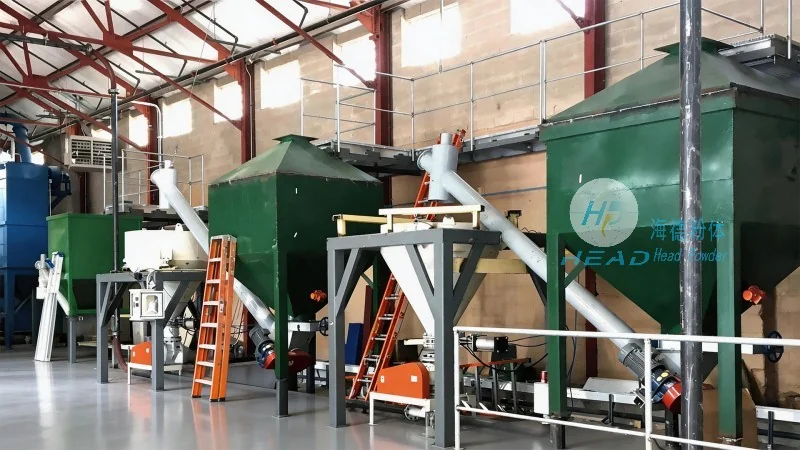
Company Overview: HeadPowder Engineering
HeadPowder Engineering, a leading manufacturer based in Shandong, China, specializes in the design, development, and production of advanced pneumatic conveying equipment. With years of experience in the industry, the company has established itself as a trusted provider of high-quality solutions tailored to the specific needs of agricultural processing and material handling. The company’s commitment to innovation and customer satisfaction ensures that their products meet the highest standards of performance and durability.
The Principle of Pneumatic Conveying for Corn Kernels
Pneumatic conveying works by using air pressure to transport solid materials through a pipeline system. In the case of corn kernels, the process involves several key components and mechanisms that work in harmony to achieve efficient material movement. The core principle is the creation of a pressure differential that propels the corn kernels through the conveying line using compressed air.
First, the corn kernels are fed into the hopper or inlet of the conveying system. From there, they are drawn into the pipeline by the suction or pressure created by the air flow. The air velocity is carefully controlled to ensure that the corn kernels are carried along without excessive wear or degradation. The system typically uses a combination of positive pressure (blowing air) and negative pressure (suction air) to move the material, depending on the distance and layout of the conveying line.
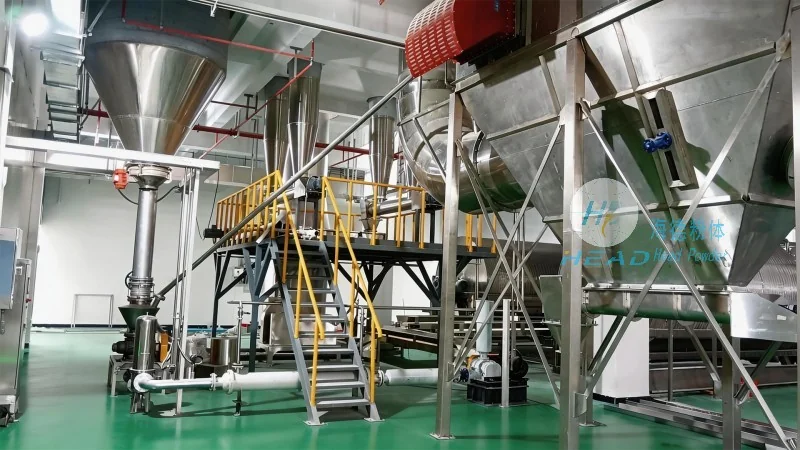
Key components in a corn kernels pneumatic conveying system include the hopper, feeder, air compressor or vacuum pump, conveying pipeline, and discharge unit. The hopper provides a storage and feeding mechanism, while the feeder controls the flow rate of the corn kernels into the system. The air compressor generates the necessary pressure or vacuum to move the material, and the pipeline transports the corn kernels from the inlet to the outlet. The discharge unit then releases the corn kernels at the destination point, completing the conveying process.
The advantage of pneumatic conveying for corn kernels lies in its ability to handle the material without the need for mechanical parts that come into direct contact with the product. This reduces the risk of contamination and damage to the corn kernels, making it ideal for food processing applications where hygiene and product integrity are paramount. Additionally, the system can be designed to handle different particle sizes and moisture contents, providing flexibility in various processing scenarios.
Working Scene Characteristics of Corn Kernels Pneumatic Conveying Machines
The working scene characteristics of corn kernels pneumatic conveying machines are tailored to meet the specific requirements of different industrial applications. These characteristics include factors such as conveying distance, material flow rate, system efficiency, and operational flexibility.
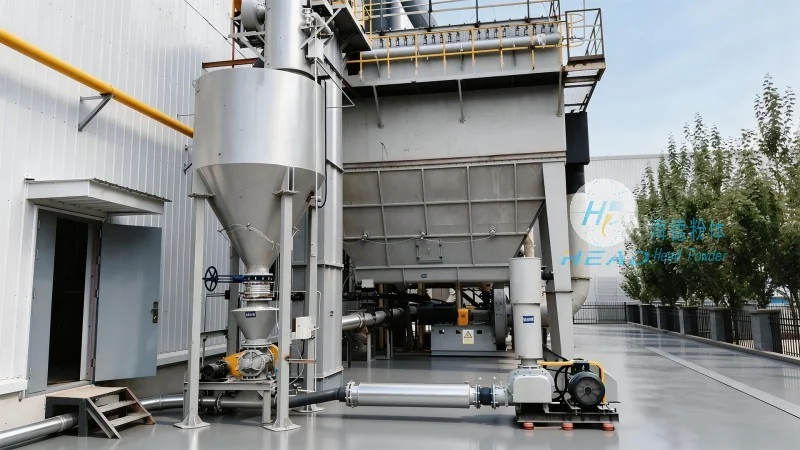
Conveying Distance: Pneumatic conveying systems can handle both short and long distances, from a few meters to several hundred meters. The choice of positive or negative pressure depends on the distance and the type of material being conveyed. For shorter distances, a simple suction system may suffice, while longer distances may require a combination of positive and negative pressure to maintain the material flow.
Material Flow Rate: The flow rate of corn kernels can be adjusted based on the processing needs. The system can be designed to handle varying loads, from low to high flow rates, ensuring that the production line operates smoothly without bottlenecks. This flexibility allows the equipment to adapt to different production schedules and demand levels.
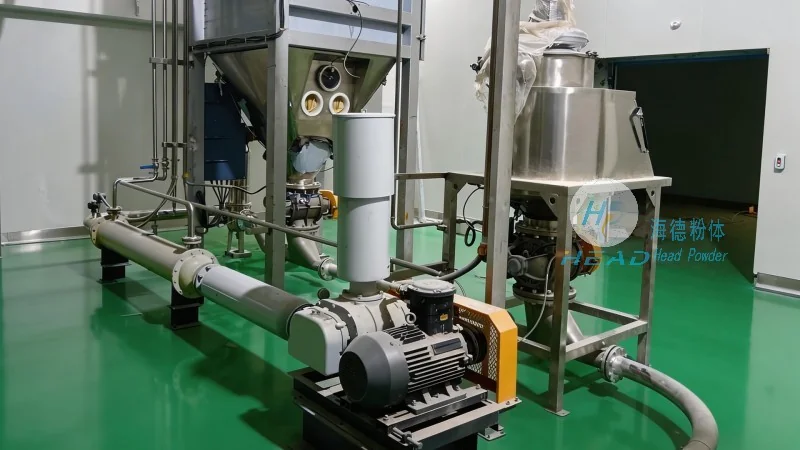
System Efficiency: Modern corn kernels pneumatic conveying machines are designed to maximize efficiency in terms of energy consumption and material throughput. Advanced control systems and optimized air flow designs help reduce energy costs and improve overall system performance. The use of high-quality materials and components also contributes to the long-term efficiency and reliability of the equipment.
Operational Flexibility: The working scene characteristics also highlight the flexibility of the system in terms of layout and integration. The conveying lines can be installed in various configurations, including vertical, horizontal, or a combination of both, to fit the existing facility layout. This adaptability allows the equipment to be integrated into existing production lines or new installations without major modifications.
Application Examples: Corn kernels pneumatic conveying machines are widely used in various industrial settings, including grain processing plants, feed mills, and food processing facilities. In grain processing, the equipment is used to transport corn kernels from storage silos to processing units, such as milling or drying equipment. In feed mills, it helps move corn kernels to mixing and packaging lines. The versatility of the system makes it suitable for a range of applications where efficient bulk material handling is essential.