

Principle and Application Characteristics of Low-Pressure Continuous Pneumatic Conveying Systems
Low-pressure continuous pneumatic conveying systems represent a sophisticated method for transporting bulk materials through a network of pipes using a controlled flow of air. This technology is widely adopted across various industries due to its efficiency, flexibility, and ability to handle diverse material types. The system operates by generating a low-pressure differential that draws material from a hopper or storage bin into the conveying line, where it is propelled through the pipeline by the air flow. Understanding the underlying principles and practical applications of such systems is crucial for optimizing material handling processes in industrial settings.
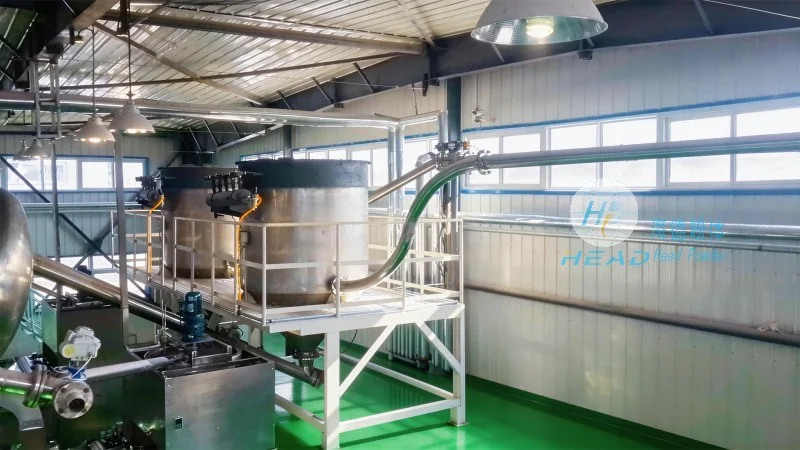
Core Principles of Low-Pressure Continuous Pneumatic Conveying
The fundamental principle of low-pressure continuous conveying involves the use of a positive pressure or negative pressure (or a combination of both) to move materials. In low-pressure systems, the pressure is maintained at a level slightly above or below atmospheric pressure, typically ranging from 0.5 to 2 bar. This approach minimizes energy consumption while ensuring reliable material transport. The system typically consists of a blower or fan that generates the air flow, a hopper or feeder that supplies the material, and a series of pipes that guide the material to its destination. The continuous nature of the system means that material is fed at a steady rate, allowing for consistent flow and reduced downtime compared to intermittent systems.
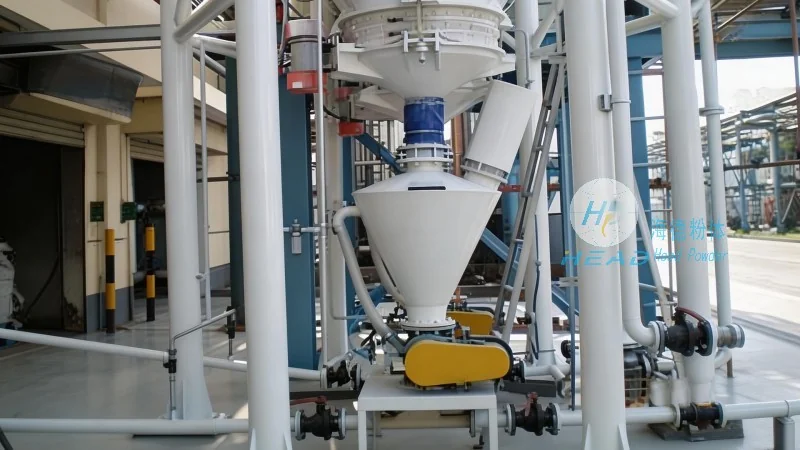
Key Components and Their Functions
Several critical components work in tandem to ensure the smooth operation of a low-pressure continuous pneumatic conveying system. The blower or fan is the primary source of air, providing the necessary pressure to move the material. It is typically selected based on the material's characteristics, such as density, particle size, and moisture content, as well as the system's length and elevation changes. The hopper or feeder is responsible for supplying the material in a controlled manner, ensuring a consistent feed rate that matches the conveying capacity. This component often includes a valve or gate to regulate the flow and prevent material buildup. The conveying pipes are made of materials like stainless steel or plastic, chosen for their durability and resistance to corrosion from the transported materials. The system may also include filters and cyclones to separate the material from the air at the receiving end, ensuring clean material delivery and preventing dust accumulation in the system.
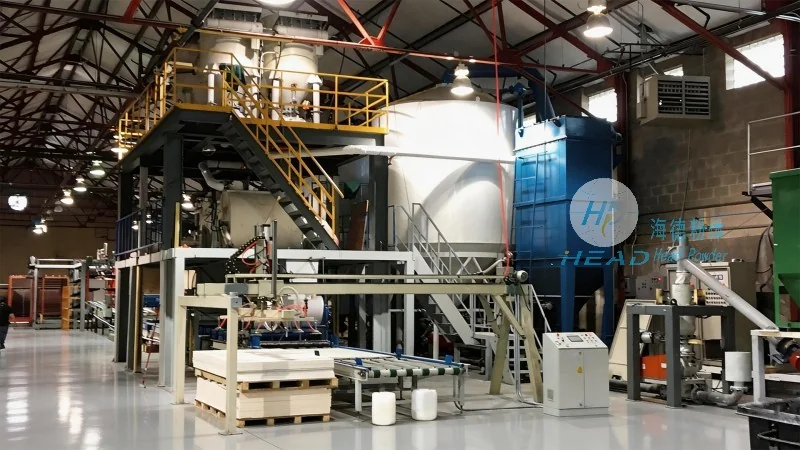
Application Characteristics and Use Cases
Low-pressure continuous pneumatic conveying systems are particularly well-suited for applications where materials need to be transported over moderate distances, typically up to several hundred meters, with varying elevations. They are commonly used in industries such as food processing, pharmaceuticals, chemicals, and mining. For example, in food processing, these systems can transport powders like flour, sugar, or spices from storage to production lines without the risk of contamination or degradation. In the pharmaceutical industry, low-pressure systems are preferred for handling sensitive materials, as they maintain a sterile environment and prevent cross-contamination. In chemical plants, they are used to transport bulk chemicals, ensuring safe and efficient transfer between processing units. The continuous operation of the system also allows for seamless integration with other production processes, reducing bottlenecks and improving overall productivity.
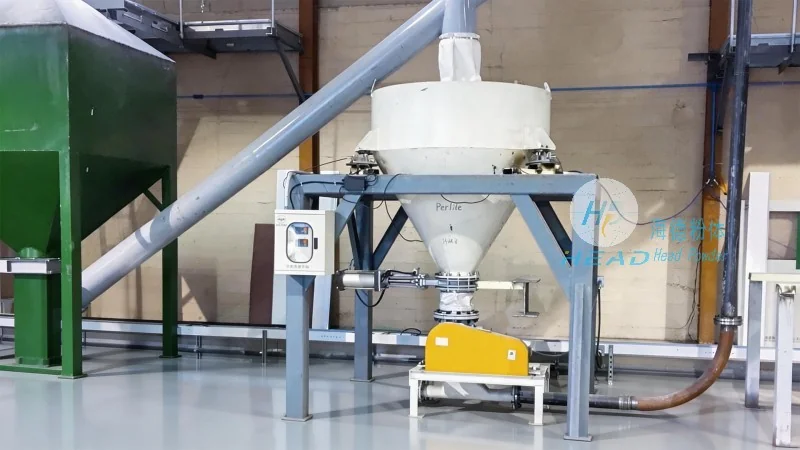
Advantages and Considerations for Low-Pressure Continuous Systems
Low-pressure continuous pneumatic conveying systems offer several advantages over other material handling methods. One of the key benefits is their ability to handle a wide range of materials, including fine powders, granules, and even sticky or abrasive substances. The system's flexibility allows for easy modifications to accommodate changes in material type or production volume. Additionally, low-pressure systems are generally more energy-efficient than high-pressure systems, as they require less power to operate. However, there are also considerations to keep in mind. For instance, the system's performance is highly dependent on the material's properties, and improper selection of components can lead to blockages or reduced efficiency. Regular maintenance, such as cleaning filters and checking blower performance, is essential to ensure long-term reliability. Furthermore, the system's design must account for potential air leaks and pressure drops along the pipeline, which can affect the conveying capacity.