

Principle and Working Scene Characteristics of Lithium Iron Phosphate Pneumatic Conveying Lines
Lithium iron phosphate (LiFePO₄) is a widely used cathode material in lithium-ion batteries due to its excellent safety, long cycle life, and stable performance. The pneumatic conveying line for LiFePO₄ is a specialized system designed to transport this powder material efficiently and safely. This article will explore the fundamental principles of such systems and the key characteristics of their working environments.
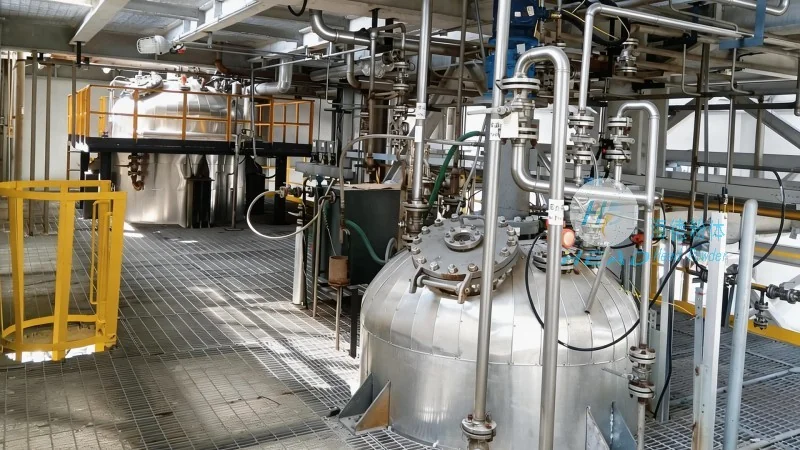
Principle of Pneumatic Conveying
The core principle of a pneumatic conveying line is the use of air or gas to move solid particles through a pipeline. There are two main types of pneumatic conveying: positive pressure and negative pressure systems. In a positive pressure system, air is blown into the conveying line, creating a pressure higher than the ambient air, which propels the material forward. Conversely, a negative pressure system draws air and material into the line by creating a vacuum at the receiving end. For LiFePO₄, which is a fine powder with potential dust hazards, a positive pressure system is often preferred as it prevents dust from escaping and maintains a controlled environment.
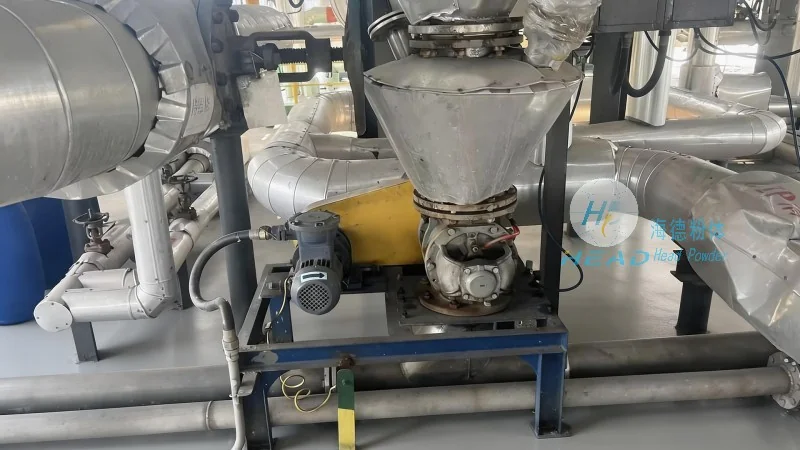
Key Components and Their Functions
A typical LiFePO₄ pneumatic conveying line consists of several critical components, each playing a vital role in the overall operation. The main components include the material hopper, feeder, air compressor, conveying pipeline, and receiver. The material hopper stores the LiFePO₄ powder and provides a consistent feed to the system. The feeder, often a rotary valve or screw feeder, controls the flow rate of the material into the pipeline. The air compressor generates the necessary pressure or vacuum to move the material. The conveying pipeline, usually made of stainless steel or other corrosion-resistant materials, ensures the material is transported without degradation. Finally, the receiver collects the material at the destination, often equipped with dust collection systems to comply with environmental regulations.
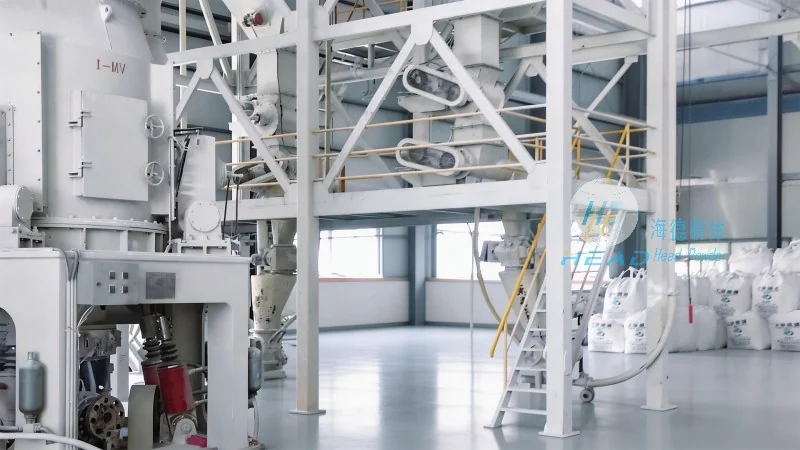
Working Scene Characteristics
The working scene of a LiFePO₄ pneumatic conveying line is characterized by several factors that influence its design and operation. First, the material's properties are crucial. LiFePO₄ is a fine, abrasive powder that can cause wear on equipment if not handled properly. Therefore, components such as the feeder and pipeline are often made of high-quality materials with anti-wear coatings. Second, the system operates in environments where dust control is paramount. The positive pressure design helps contain dust, but additional filtration systems may be required to meet safety and environmental standards. Third, the system's integration into battery production lines is a key aspect. The conveying line must be compatible with other production equipment, such as mixers, classifiers, and packing machines, to ensure seamless material flow from raw material to finished product. Fourth, the system's efficiency and reliability are critical in high-volume production settings. Factors like pressure drop, material velocity, and system maintenance are carefully considered to minimize downtime and maximize throughput.
Application Scenarios
Lithium iron phosphate pneumatic conveying lines are commonly used in various industrial settings, particularly in the battery manufacturing industry. One primary application is in the production of lithium-ion batteries, where LiFePO₄ is used as the cathode material. The conveying line transports the powder from storage to the mixing and coating stages of the battery production process. Another application is in material handling for research and development laboratories, where small-scale testing of LiFePO₄ formulations requires precise and controlled material transport. Additionally, in recycling facilities, the system can be used to transport recycled LiFePO₄ from sorting and processing stages to reprocessing units. Each of these scenarios demands a tailored pneumatic conveying system that addresses specific operational requirements, such as material purity, dust control, and system integration with existing production lines.
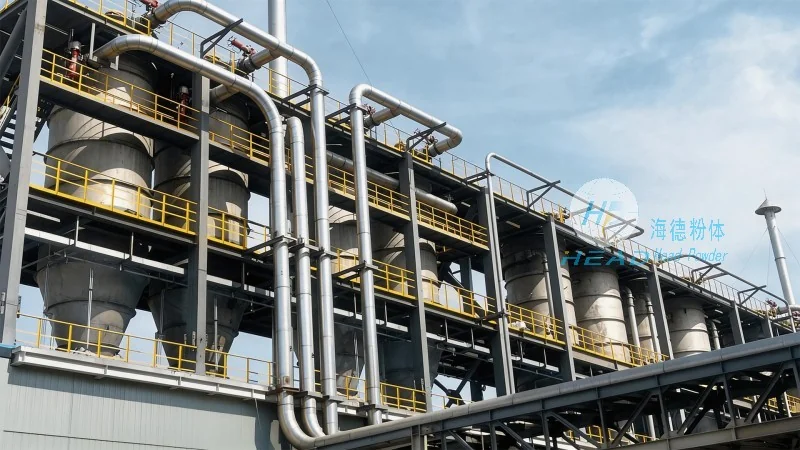
Advantages and Considerations
Implementing a LiFePO₄ pneumatic conveying line offers several advantages, including high efficiency, low maintenance, and the ability to transport materials over long distances without the need for intermediate storage. The system is also flexible, allowing for changes in material flow rates and destinations. However, there are considerations to keep in mind. For instance, the cost of high-quality materials and components can be significant, especially for stainless steel pipelines and advanced filtration systems. Additionally, the system requires regular maintenance to ensure optimal performance, such as cleaning of the pipeline and replacement of worn parts. Environmental regulations also play a role, as the system must comply with local dust emission standards. Despite these considerations, the benefits of a well-designed pneumatic conveying line often outweigh the costs, making it a preferred choice for many battery manufacturers and material handling operations.