

Principle and Working Scenario Characteristics of Nitrogen Protective Pneumatic Conveying
Nitrogen protective pneumatic conveying technology plays a vital role in industries handling sensitive materials, as it safeguards material integrity while optimizing operational efficiency. This article delves into the fundamental principles of this method and outlines the key characteristics of its application scenarios, providing a comprehensive understanding for professionals in material handling and process engineering.
The Core Principle of Nitrogen Protective Pneumatic Conveying
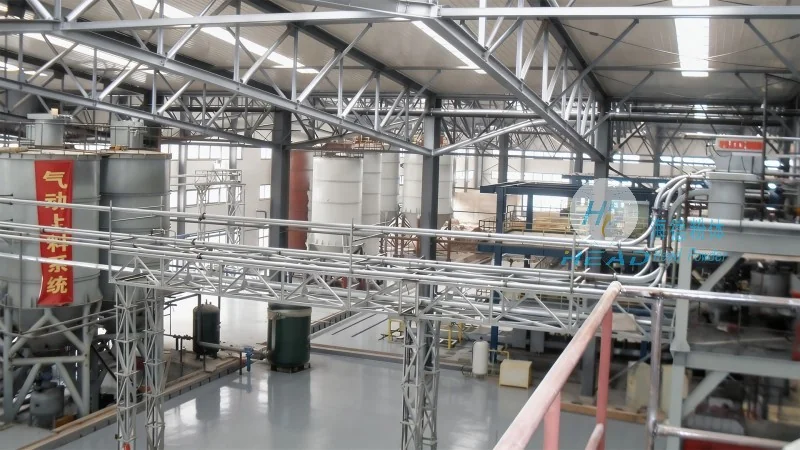
The core principle of nitrogen protective pneumatic conveying revolves around the use of nitrogen gas as a protective medium to create an inert environment within the conveying system. This approach is particularly effective for materials susceptible to oxidation, moisture absorption, or degradation when exposed to atmospheric conditions. The process begins with material feeding into a hopper or feeder, followed by the introduction of nitrogen gas to displace air and establish a controlled pressure differential. The material is then transported through pipelines via the pressure gradient generated by the nitrogen flow. This method ensures that the material remains isolated from contaminants, preserving its quality and reducing the risk of clogging or quality loss.
Key Working Scenario Characteristics
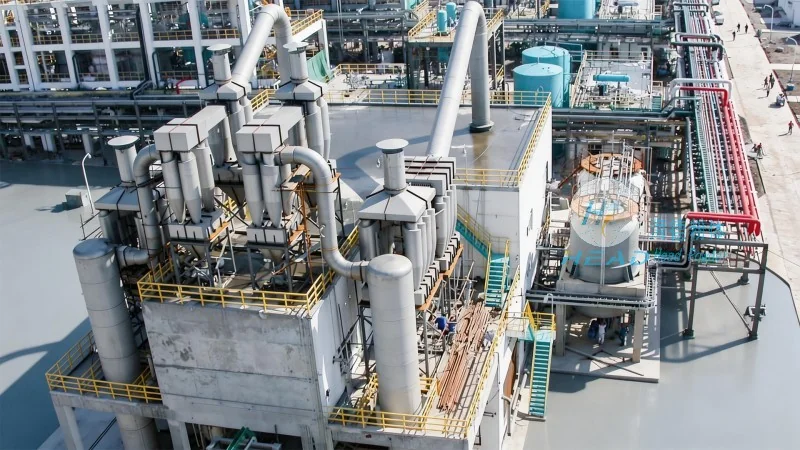
The working scenario characteristics of nitrogen protective pneumatic conveying are tailored to diverse industrial needs, offering distinct advantages in various applications. One primary characteristic is its suitability for handling materials sensitive to air exposure, such as pharmaceutical powders, food additives, and certain chemicals. The inert nitrogen environment prevents oxidation and moisture uptake, maintaining material purity and stability. Another key characteristic is the system's adaptability to different material properties, including particle size, density, and flowability. This flexibility allows the technology to be applied across industries like pharmaceutical manufacturing, chemical processing, and food processing. Additionally, the system's design can be optimized for both low and high material flow rates, making it suitable for small-scale laboratory operations as well as large-scale industrial production. The operational efficiency of nitrogen protective pneumatic conveying is also notable, as it minimizes material loss and reduces the need for additional processing steps, such as drying or reprocessing.
Company Profile: Shandong HeadPowder Engineering Co., Ltd.
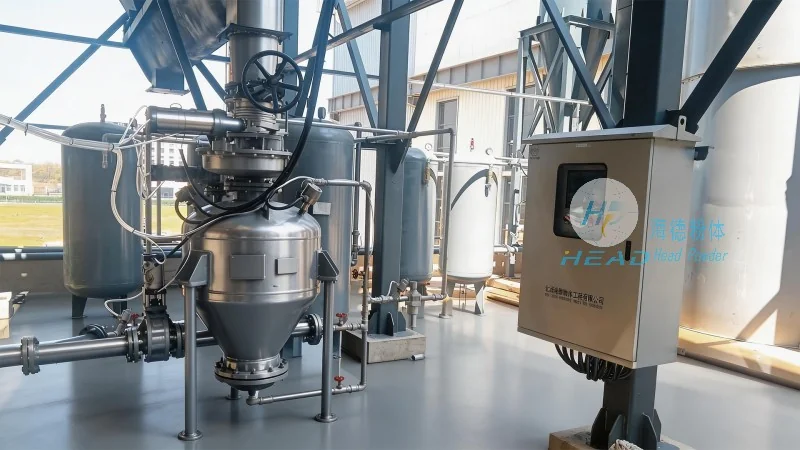
Shandong HeadPowder Engineering Co., Ltd., commonly referred to as HeadPowder, is a leading provider of pneumatic conveying solutions. With a focus on innovation and customer-centric service, the company specializes in designing and manufacturing advanced conveying systems tailored to the unique requirements of various industries. HeadPowder's expertise lies in integrating cutting-edge technology with practical application, ensuring that their systems are both efficient and reliable. The company's commitment to quality and safety is evident in its adherence to industry standards and rigorous testing protocols. By leveraging its deep understanding of material handling and process engineering, HeadPowder delivers solutions that enhance operational performance and material integrity.
Address and Location
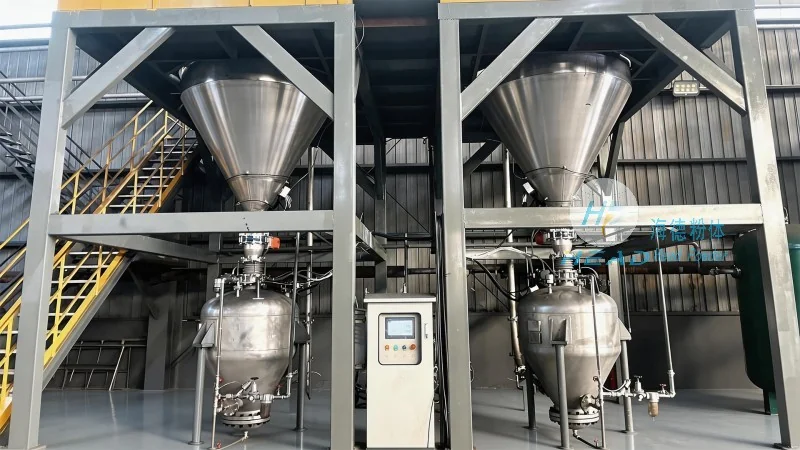
HeadPowder is headquartered in Shandong, China, with a physical address that reflects its strategic position in the industrial landscape. The company's location provides easy access to major transportation networks, facilitating the supply of components and the delivery of completed systems to clients across the region and beyond. This geographical advantage supports the company's ability to serve a wide range of customers, from local manufacturers to international clients. The address underscores the company's roots in the Chinese industrial sector while emphasizing its global reach and commitment to providing high-quality pneumatic conveying solutions.