

Working Principle and Features of Alumina Hydroxide Material Pneumatic Conveying Lines
Shandong HeadPowder Engineering Co., Ltd., commonly known as HeadPowder, is a prominent enterprise based in Shandong, China, specializing in the development and implementation of advanced material handling solutions. The company focuses on providing efficient and reliable pneumatic conveying systems for various industrial applications, including the transportation of alumina hydroxide. These systems are engineered to meet the specific demands of the alumina hydroxide industry, ensuring optimal performance and durability. The following sections will explore the working principle and key features of such systems, highlighting their technological advancements and practical applications.
Working Principle of Pneumatic Conveying Lines for Alumina Hydroxide
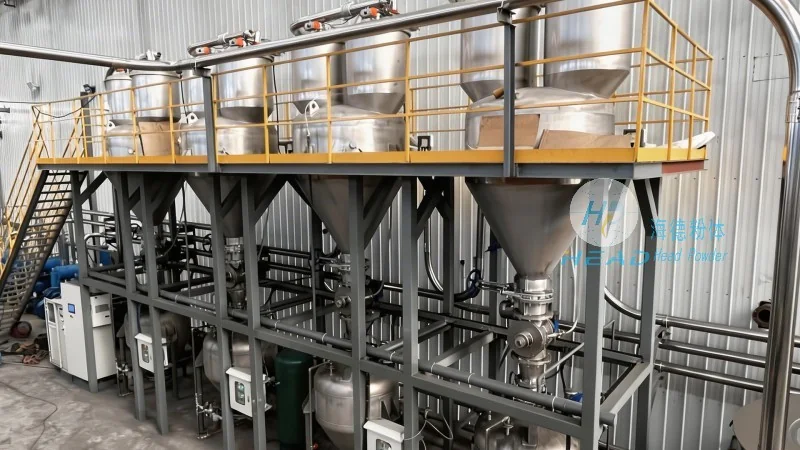
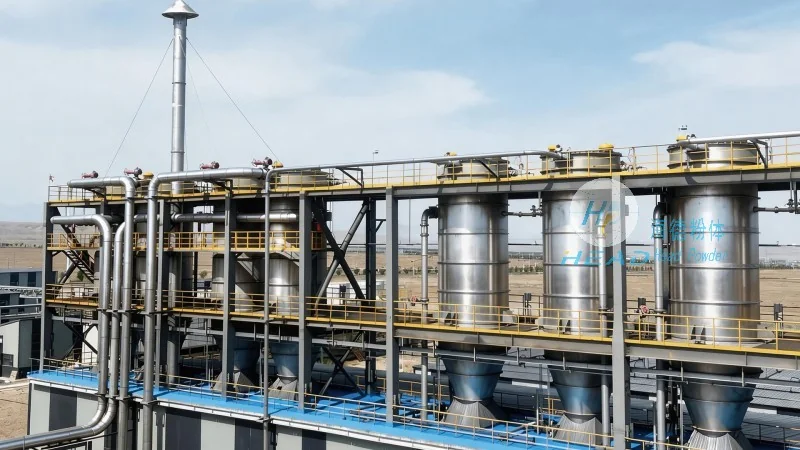
The pneumatic conveying line for alumina hydroxide operates on the principle of air-based material transport. The system typically consists of a series of components, including a material feeder, a pressure or vacuum source, and a conveying pipeline. The process begins with the material being fed into the system, where it is mixed with a stream of air or gas. This mixture is then propelled through the pipeline under pressure or suction, depending on the system design. The air acts as the medium to carry the alumina hydroxide particles, allowing for a continuous and controlled flow. There are two main types of pneumatic conveying systems: pressure systems, which use positive pressure to push the material through the pipeline, and vacuum systems, which use negative pressure to pull the material. For alumina hydroxide, pressure systems are often preferred due to their ability to handle higher material loads and longer distances. The system may also include features such as cyclones or filters to separate the material from the air at the receiving end, ensuring that the product remains clean and free from contamination. The air velocity and pressure are carefully controlled to prevent material degradation and ensure smooth transport. Proper design of the pipeline and components is crucial to avoid blockages and maintain system efficiency.
Key Features and Advantages of Alumina Hydroxide Pneumatic Conveying Systems
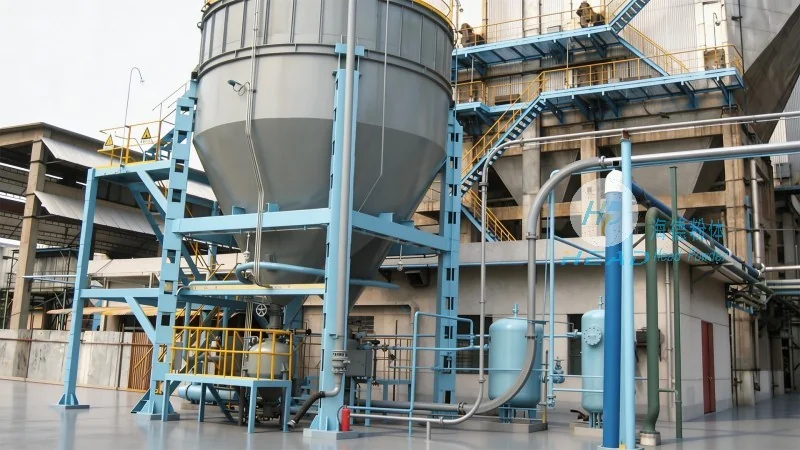
One of the primary advantages of pneumatic conveying systems for alumina hydroxide is their high efficiency in material handling. These systems can transport materials over long distances with minimal energy consumption compared to traditional methods like belt conveyors or trucks. The enclosed pipeline design also helps in maintaining the quality of the material by preventing exposure to moisture, dust, or other environmental factors. Additionally, the systems are designed for flexibility, allowing for changes in material flow rates and destinations without significant modifications. Another notable feature is the ability to handle a wide range of particle sizes and densities, making them suitable for various industrial processes. The systems also contribute to improved safety in the workplace by reducing manual handling of bulk materials, thereby minimizing the risk of accidents and health hazards. Furthermore, the technology is scalable, enabling companies to upgrade or expand their conveying capabilities as their production needs grow. The enclosed nature of the system also helps in controlling dust emissions, contributing to a cleaner and safer working environment.
Operational Considerations and Maintenance
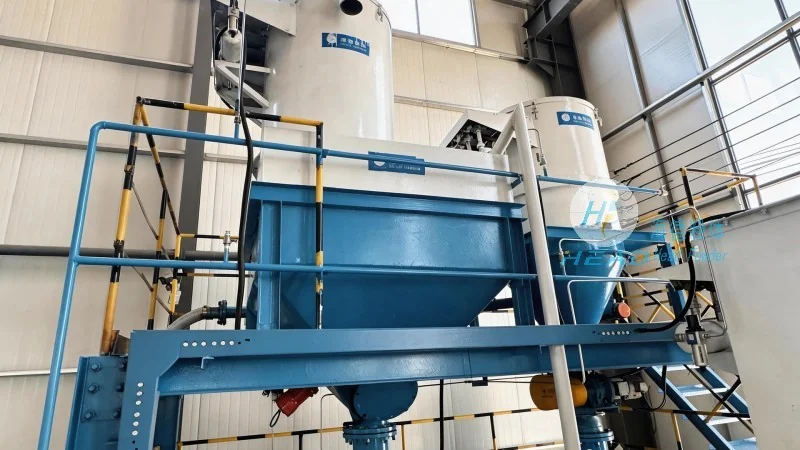
While pneumatic conveying systems offer numerous benefits, proper operation and maintenance are crucial for optimal performance. Regular checks of the air pressure and flow rates are essential to ensure consistent material transport. The material feeder must be properly calibrated to avoid overloading the system, which can lead to blockages or reduced efficiency. Additionally, the pipeline and associated components should be inspected periodically for signs of wear or damage, as this can affect the system's performance and longevity. The cyclones and filters at the receiving end need to be cleaned regularly to prevent clogging and maintain the quality of the conveyed material. By adhering to these operational guidelines, companies can maximize the lifespan and efficiency of their alumina hydroxide pneumatic conveying systems. Proper maintenance also helps in reducing downtime and operational costs, ensuring that the system operates at peak performance throughout its service life.