

The Working Principle and Features of PFA Material Pneumatic Conveying Equipment
HeadPowder, a leading manufacturer based in Shandong, China, specializes in the design and production of advanced pneumatic conveying systems tailored for handling PFA (Polytetrafluoroethylene) materials. This article provides an in-depth exploration of the working principle and key features of such equipment, highlighting how these systems efficiently manage the unique properties of PFA while ensuring safe and reliable material transport.
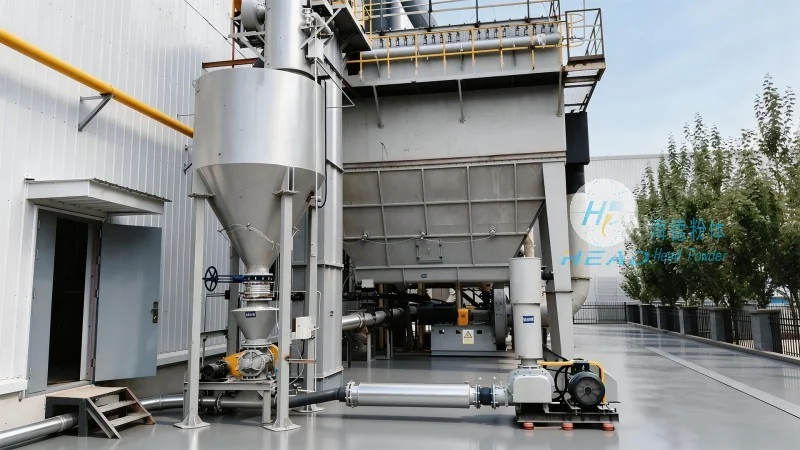
Understanding PFA Material Characteristics and Their Impact on Conveying Systems
PFA is a high-performance fluoropolymer known for its excellent chemical resistance, thermal stability, and non-stick properties. These attributes make PFA widely used in industries such as semiconductor manufacturing, chemical processing, and aerospace. However, the material's physical and chemical properties pose specific challenges for traditional bulk material handling methods. For instance, PFA powders are often fine and can be prone to static accumulation, while their high melting point and resistance to solvents require specialized equipment to prevent degradation or contamination. Pneumatic conveying systems, particularly those designed for PFA, address these challenges by leveraging air flow to transport the material in a controlled manner.
The Working Principle of PFA Material Pneumatic Conveying Equipment
The core working principle of PFA pneumatic conveying equipment revolves around the use of compressed air to create a flow that transports the material from a source to a destination. There are primarily two types of pneumatic conveying systems: dilute-phase and dense-phase. Dilute-phase systems use low air velocity and high air-to-material ratios, suitable for short distances and low material density. Dense-phase systems, on the other hand, employ higher air pressure and lower air-to-material ratios, enabling the transport of materials over longer distances and with higher material concentrations. The system typically consists of several key components: a material hopper for storage, a feeder to control the flow rate, a conveying line (often equipped with filters or cyclones to separate material from air), and a receiver for the material at the destination. The compressed air is introduced into the system, creating a pressure differential that draws the PFA material into the conveying line. As the material travels through the line, it is mixed with the air, forming a slurry-like flow that is propelled to the receiver. The air is then filtered and recycled, while the PFA material is collected in the receiver.
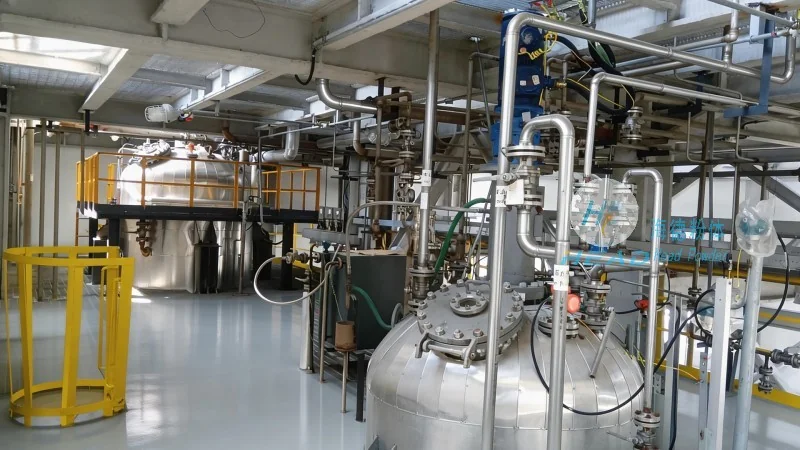
Key Features of PFA Material Pneumatic Conveying Equipment
HeadPowder's PFA pneumatic conveying equipment is engineered with several distinctive features that enhance performance and reliability. First, the equipment is constructed from materials resistant to the corrosive and high-temperature nature of PFA, such as stainless steel or specialized alloys, ensuring long-term durability and preventing material degradation. Second, the system incorporates advanced control mechanisms that allow precise regulation of air pressure, flow rate, and material feed, minimizing the risk of clogging or uneven transport. Third, the design includes features to mitigate static electricity, such as grounding and anti-static coatings, which is critical for PFA powders to prevent dust explosions or material buildup. Fourth, the equipment is equipped with efficient filtration systems that capture fine PFA particles, ensuring clean air recycling and preventing contamination in downstream processes. Additionally, the modular design of the system allows for easy maintenance and scalability, making it adaptable to various production needs and facility sizes.
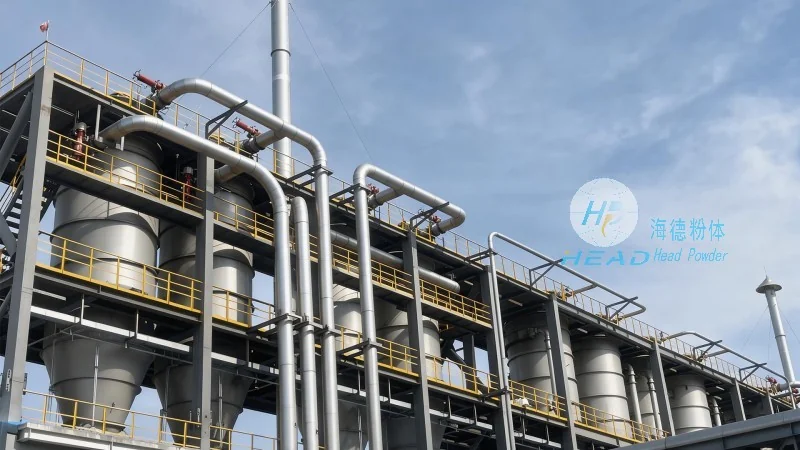
Benefits of Using PFA Material Pneumatic Conveying Equipment
The adoption of PFA material pneumatic conveying equipment offers numerous benefits for industrial applications. By eliminating the need for mechanical components like belts or screws, the system reduces maintenance costs and minimizes the risk of material contamination. The air-based transport also prevents product degradation, ensuring the quality of PFA materials remains intact throughout the process. Furthermore, the system's ability to handle fine powders and maintain consistent flow rates improves production efficiency and reduces downtime. The controlled environment of the conveying line also helps in maintaining the purity of PFA, which is crucial for applications where even minor impurities can affect product performance. Overall, the equipment provides a safe, efficient, and cost-effective solution for handling PFA materials, aligning with modern industrial standards for material handling and process optimization.
Conclusion and Company Overview
HeadPowder Engineering Co., Ltd., based in Shandong, China, is a trusted provider of PFA material pneumatic conveying equipment. With a focus on innovation and customer-centric solutions, the company designs and manufactures systems that meet the specific requirements of PFA handling, ensuring reliability, efficiency, and safety. The working principle and features of these systems are tailored to address the unique challenges of PFA materials, making them an ideal choice for industries relying on high-performance fluoropolymers. By leveraging advanced engineering and quality materials, HeadPowder continues to deliver solutions that enhance productivity and maintain the integrity of PFA materials in various industrial applications.