

Working Principle and Features of Barley Material Pneumatic Conveying Equipment
Barley, a staple grain widely used in food processing, brewing, and animal feed industries, requires efficient and reliable handling solutions to ensure optimal processing outcomes. Pneumatic conveying systems have emerged as a preferred method for transporting barley and other bulk materials due to their ability to handle delicate products while maintaining hygiene and operational efficiency. This article explores the working principle and key features of barley material pneumatic conveying equipment, highlighting how such systems enhance productivity and product integrity in industrial settings, as offered by Shandong HeadPowder Engineering Co., Ltd.
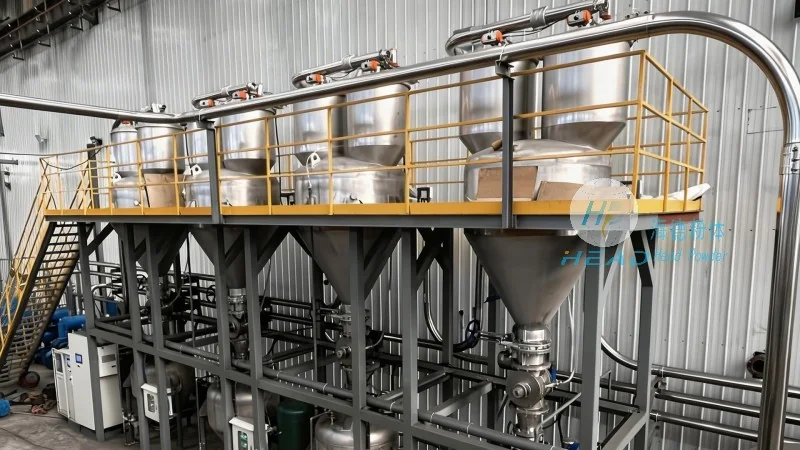
Understanding the Working Principle of Barley Pneumatic Conveying Systems
The core of a pneumatic conveying system lies in its ability to use air pressure or vacuum to move materials through a pipeline. For barley, which is often handled in bulk quantities, these systems typically operate on either pressure or vacuum principles. Pressure systems utilize compressed air to push the material forward, while vacuum systems create a negative pressure to draw the material into the pipeline. The choice between these systems depends on factors such as material characteristics, distance to be conveyed, and the need for dust control. In barley processing, pressure systems are commonly preferred as they can handle higher material loads and are more effective in preventing product degradation.
At the heart of the system is the hopper or feeder, which stores and feeds the barley into the conveying line. The feeder may use a rotary valve or a screw mechanism to regulate the flow rate, ensuring a consistent supply of material. As the barley enters the pipeline, it is mixed with air, creating a slurry-like mixture that travels through the system. The pipeline design, including bends and elbows, is carefully engineered to minimize friction and pressure loss, which is crucial for maintaining the conveying efficiency. The system also includes a separator or cyclone at the end to separate the material from the air, allowing the barley to be discharged into the receiving container while the air is filtered and recycled back into the system.
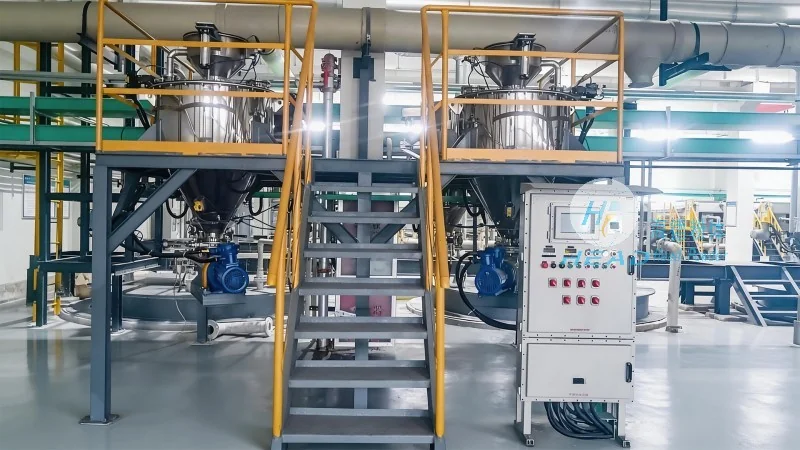
Key Features of Barley Pneumatic Conveying Equipment
Several critical features distinguish high-quality barley pneumatic conveying equipment, making them suitable for demanding industrial applications. First, the system must be designed to handle the specific properties of barley, such as its size, moisture content, and susceptibility to breakage. The use of flexible hoses or smooth, non-abrasive pipelines prevents product damage and ensures a clean transfer. Additionally, the equipment incorporates advanced control systems that allow for real-time monitoring of flow rates, pressure, and air consumption, enabling operators to adjust settings dynamically and optimize performance.
Another important feature is the integration of dust control mechanisms. Barley is a fine-grained material that can generate significant dust during handling, which poses health and safety risks. Modern pneumatic conveying systems include dust collection systems, such as cyclones or bag filters, that capture and remove airborne particles, ensuring a safe working environment. This not only protects workers but also prevents product contamination, which is critical for food and beverage applications.
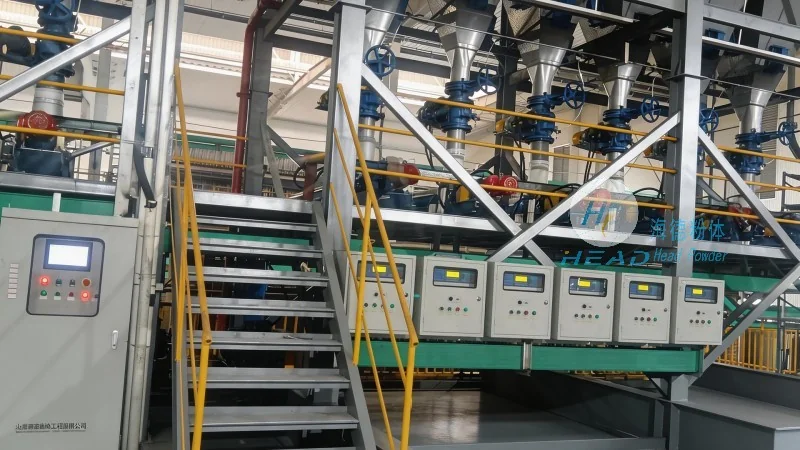
Energy efficiency is also a key consideration in the design of barley pneumatic conveying equipment. By optimizing air flow and reducing pressure losses, manufacturers can minimize energy consumption while maintaining effective material transport. This is achieved through the use of high-efficiency motors, variable speed drives, and well-designed pipeline layouts. Furthermore, the system’s ability to recycle air reduces the need for constant air supply, lowering operational costs and environmental impact.
Benefits of Using Pneumatic Conveying for Barley Handling
Implementing pneumatic conveying systems for barley handling offers numerous benefits that enhance operational efficiency and product quality. One of the primary advantages is the ability to handle materials in a closed system, which prevents contamination from external sources and maintains product hygiene. This is particularly important in food processing and brewing industries, where product purity is non-negotiable. The closed system also reduces dust emissions, improving workplace safety and compliance with environmental regulations.
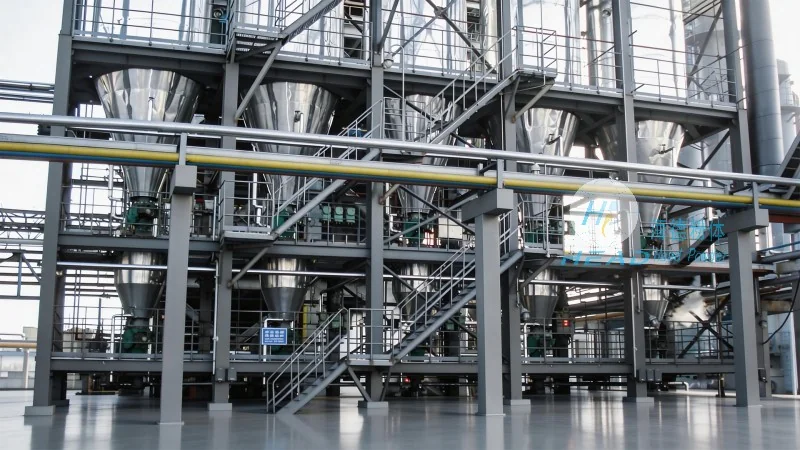
Another significant benefit is the flexibility of pneumatic conveying systems. They can be easily integrated into existing processing lines and adapted to handle varying material volumes and types. This makes them suitable for both small-scale and large-scale operations, from individual breweries to large-scale grain processing facilities. The systems also offer high throughput rates, allowing for rapid material transfer without the need for manual handling, which reduces labor costs and improves overall productivity.
Furthermore, pneumatic conveying systems contribute to product preservation by minimizing exposure to air and moisture. Barley is susceptible to spoilage if exposed to oxygen or high humidity, and the enclosed nature of the system helps maintain optimal conditions. This extends the shelf life of the material and ensures that the final product meets quality standards. The gentle handling of the material also reduces breakage, preserving the grain’s integrity and improving its market value.