

Working Principle and Features of Polyester Fiber Powder Pneumatic Conveying System
For industrial applications involving the handling of polyester fiber powders, the pneumatic conveying system offers an efficient and reliable solution. This technology is widely used in various manufacturing processes, enabling the transport of bulk materials through a network of pipes using air or other gases. The system is designed to handle the specific characteristics of polyester fiber powders, such as their fine particle size and potential for static electricity, ensuring safe and effective material transfer.
Working Principle of the Pneumatic Conveying System
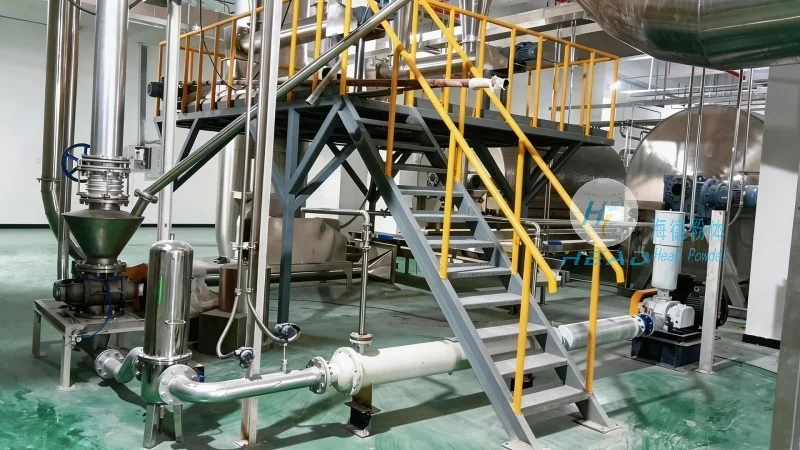
The core of the polyester fiber powder pneumatic conveying system lies in its ability to use air pressure to move material. The process typically involves a series of components, including a material feeder, a conveying line, and a receiver. The material is first fed into the system, where it is introduced into the conveying line under controlled conditions. As air is introduced into the line, it creates a flow that carries the polyester fiber particles through the system. The system may operate under either positive pressure or negative pressure, depending on the specific requirements of the application. Positive pressure systems use compressed air to push the material forward, while negative pressure systems use vacuum to draw the material into the line. This flexibility allows the system to be adapted to different production environments and material handling needs.
Key Components and Their Functions
The effectiveness of the polyester fiber powder pneumatic conveying system depends on several critical components. The material feeder is responsible for accurately and consistently feeding the polyester fiber powder into the conveying line. This component must be designed to handle the specific flow characteristics of the powder, preventing blockages and ensuring a steady supply of material. The conveying line itself is typically made of materials that are compatible with polyester fibers, such as stainless steel or specialized plastics, to prevent contamination and ensure durability. The line may include bends, expansions, and other features to guide the material through the system. The receiver is the final component, where the polyester fiber powder is deposited after being conveyed. It is designed to collect the material efficiently and prevent spillage or loss. Additionally, the system may include filters and cyclones to separate any air from the material, ensuring that the powder is delivered in a clean and dry state.
Advantages and Features of the System
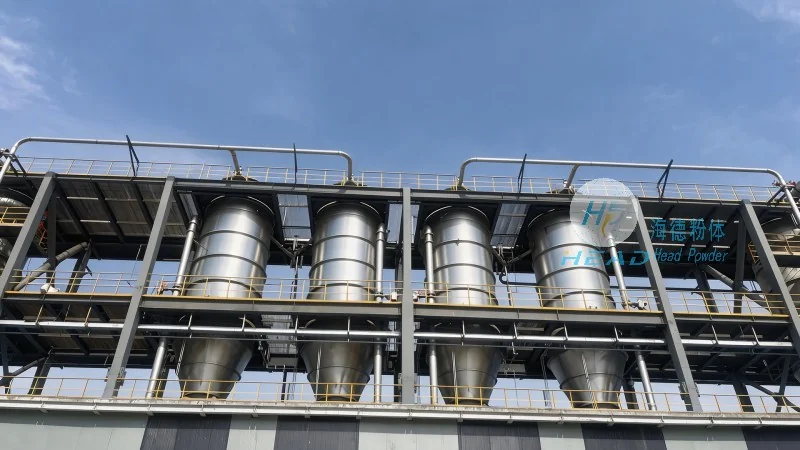
The polyester fiber powder pneumatic conveying system offers several advantages that make it a preferred choice for many industries. One of the primary benefits is its high efficiency in material transport. The system can move large quantities of polyester fiber powder over long distances with minimal energy consumption compared to traditional methods like bucket elevators or belt conveyors. This efficiency translates into cost savings and increased productivity for manufacturers. Another key feature is the system's ability to handle materials that are difficult to transport by other means, such as those with high moisture content or those that are prone to caking. The pneumatic conveying system can effectively handle these materials without causing degradation or contamination. Additionally, the system is designed to be flexible and adaptable, allowing it to be integrated into existing production lines or customized to meet specific operational requirements. This adaptability makes it suitable for a wide range of applications, from small-scale operations to large industrial facilities.
Application Examples and Industry Use Cases
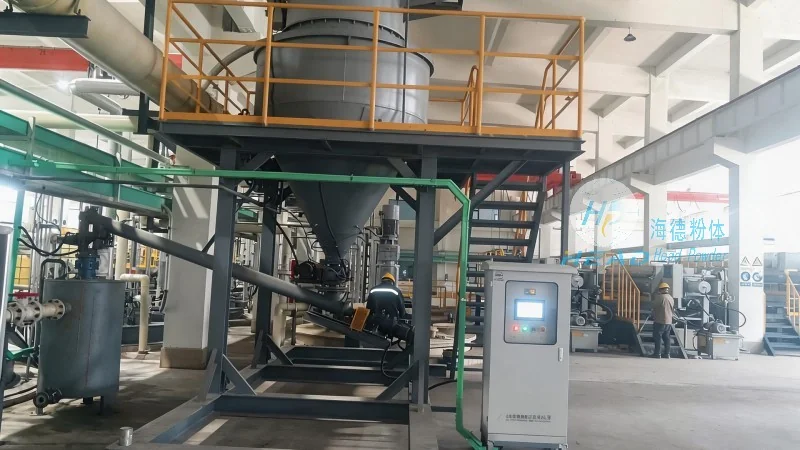
The polyester fiber powder pneumatic conveying system is widely used in various industries that handle polyester fibers and related materials. For example, in the textile industry, the system is used to transport polyester fibers from storage to processing equipment, such as spinning machines or extruders. In the plastic manufacturing industry, the system is used to convey polyester resin powders to mixing and molding equipment. The system is also used in the chemical industry for handling polyester-based chemicals and additives. These applications demonstrate the versatility and reliability of the system in different industrial settings. The system's ability to handle fine particles and prevent contamination makes it particularly suitable for applications where material purity is critical, such as in the production of high-quality textiles or specialized plastics.
Conclusion and Company Information
In conclusion, the polyester fiber powder pneumatic conveying system is a sophisticated and efficient solution for handling polyester fiber powders in industrial applications. Its working principle, based on air pressure and a well-designed system of components, ensures reliable and safe material transport. The system's advantages, including high efficiency, flexibility, and adaptability, make it a valuable asset for manufacturers in various industries. As a leading provider of such systems, Shandong HeadPowder Engineering Co., Ltd. specializes in designing and manufacturing customized pneumatic conveying solutions tailored to the specific needs of clients. With a focus on quality and innovation, the company ensures that its systems meet the highest standards of performance and reliability. Based in Shandong, China, HeadPowder offers comprehensive support and service to its clients, helping them optimize their material handling processes and improve overall operational efficiency.