

[W]Working Principle and Features of PUR Material Conveying Lines
PUR material conveying lines represent a sophisticated industrial solution for the efficient transportation of polyurethane (PUR) materials across various production stages. These systems are integral to modern manufacturing processes, where the precise handling of PUR materials is essential for ensuring product quality and operational efficiency. The following content will explore the working principle and key features of PUR material conveying lines, offering insights into how these systems operate and the advantages they provide to industrial applications.
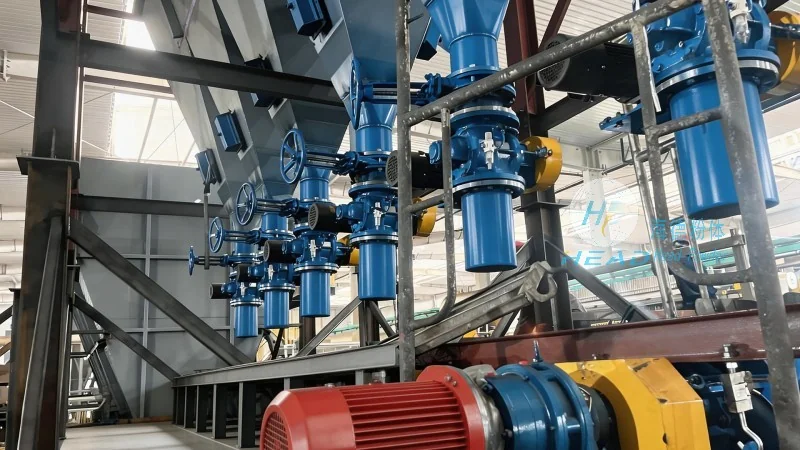
Introduction to PUR Material Conveying Lines
PUR material conveying lines are specialized equipment designed to move PUR materials, such as pellets, granules, or powders, from storage or processing units to the next stage of production. These systems are widely used in industries like automotive, construction, and manufacturing, where PUR materials are utilized in applications ranging from foams and coatings to adhesives and insulation. The design of these lines is optimized to handle the unique physical and chemical properties of PUR materials, ensuring minimal material degradation and consistent performance throughout the conveying process.
The Working Principle of PUR Material Conveying Lines
The operation of a PUR material conveying line involves a series of interconnected components that work together to achieve efficient material transport. The core components typically include a material feeder, a conveyor system (such as a screw conveyor or pneumatic transport unit), a control panel, and safety mechanisms. The process begins with the material being loaded into a hopper or storage container. The feeder then regulates the flow of material, ensuring a controlled and consistent rate of delivery. The conveyor system, which may use rotating screws or air pressure, then transports the material through the line, moving it from the inlet to the outlet. The control panel monitors the system's operation, adjusting the feeder speed and conveyor parameters to maintain optimal performance. Safety features, such as sensors and emergency stop buttons, are integrated to prevent accidents and protect personnel from potential hazards.
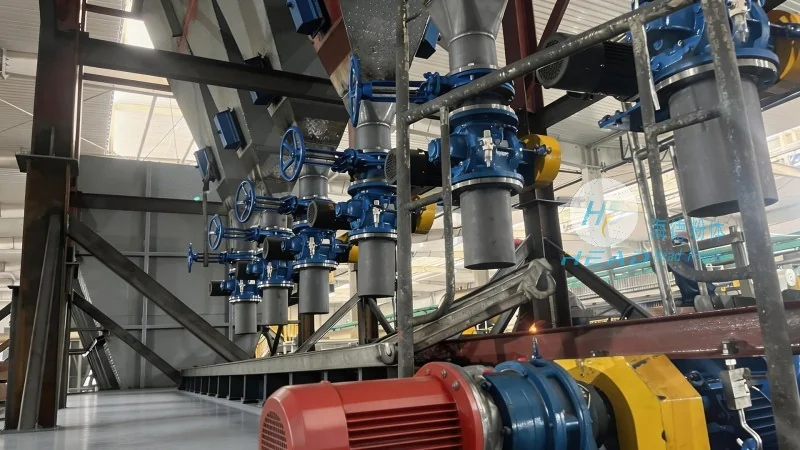
Key Features of PUR Material Conveying Lines
PUR material conveying lines are distinguished by several key features that enhance their functionality and usability. One of the primary features is the ability to handle diverse PUR material types, including different densities, viscosities, and particle sizes. This versatility allows the system to accommodate various production requirements and material variations without the need for extensive modifications. Another important feature is the high level of precision and control in material flow. Advanced control systems enable precise regulation of the material rate, ensuring uniform properties in downstream processes like molding or coating. The conveying lines also exhibit excellent durability and resistance to wear and tear, as they are constructed from materials that can withstand the abrasive nature of PUR materials. Additionally, these systems are designed for easy maintenance and cleaning, with components that can be easily accessed and serviced. This reduces downtime and maintenance costs, making the system more cost-effective over time. The integration of safety features is another critical aspect, as it ensures compliance with industrial safety standards and protects workers from potential risks associated with material handling.
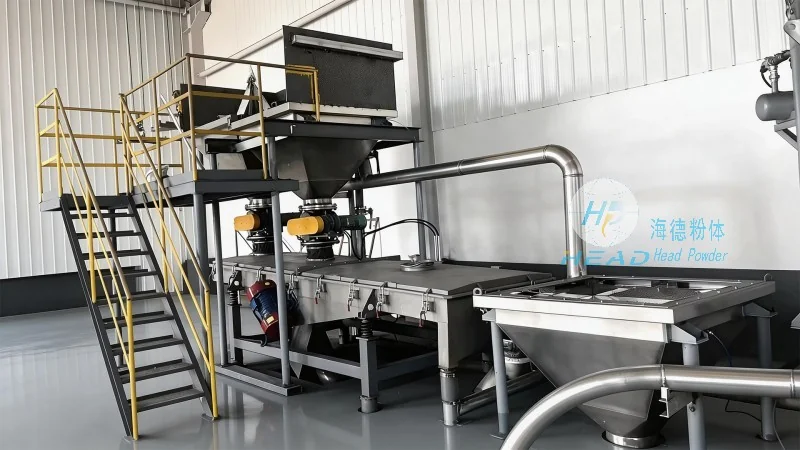
Applications and Benefits of PUR Material Conveying Lines
PUR material conveying lines find widespread applications in various industries, including automotive manufacturing, where they are used to transport PUR foams for seat cushions and insulation. In the construction industry, these systems are employed to convey PUR coatings and adhesives for flooring and roofing applications. The benefits of using such systems include improved production efficiency, reduced material waste, and enhanced product quality. The consistent and controlled transport of PUR materials ensures that downstream processes receive materials with uniform properties, leading to higher-quality end products. Additionally, the automation and control features of these lines reduce the need for manual labor, minimizing the risk of human error and improving overall operational safety. The durability and reliability of the systems also contribute to lower maintenance costs and extended service life, making them a cost-effective solution for long-term material handling needs.
About Shandong HeadPowder Engineering Co., Ltd.
Shandong HeadPowder Engineering Co., Ltd., commonly known as HeadPowder, is a leading manufacturer and supplier of industrial conveying systems, including PUR material conveying lines. HeadPowder has built a strong reputation in the industry by providing high-performance solutions tailored to the specific needs of its clients. The company is headquartered in Shandong, China, and leverages advanced technology and expertise to design and manufacture equipment that meets the highest standards of performance and reliability. HeadPowder's team of experienced engineers and technicians work closely with clients to understand their production requirements and develop customized solutions that enhance operational efficiency and productivity. The company's commitment to quality and customer satisfaction has earned it a trusted position in the market, making it a preferred choice for businesses seeking reliable and efficient material handling solutions. HeadPowder's PUR material conveying lines are engineered to deliver consistent performance, durability, and safety, supporting the success of industrial operations worldwide.