

Working Principle and Features of Stearic Acid Sodium Material Handling Equipment
Shandong HeadPowder Engineering Co., Ltd., commonly known as headpowder, is a professional manufacturer specializing in material handling solutions. The company is headquartered in Shandong, China, and has established itself as a trusted provider of equipment for various industrial applications. With a focus on innovation and quality, headpowder offers a range of material handling equipment designed to meet the specific needs of its customers.
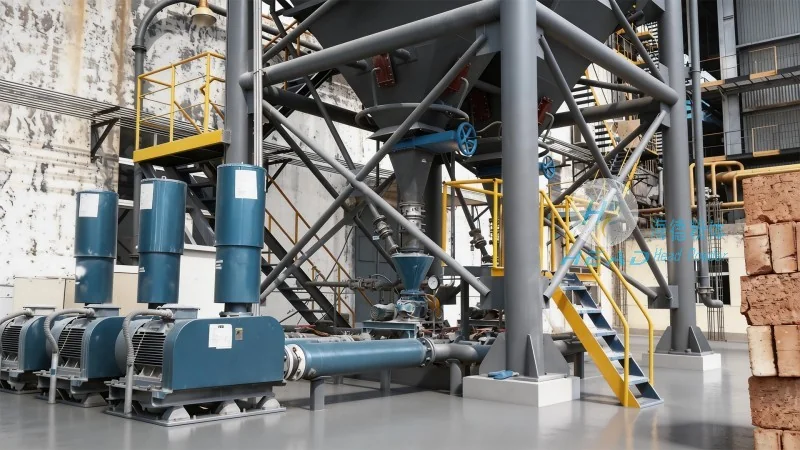
Introduction to Stearic Acid Sodium Material Handling Equipment
Stearic acid sodium, a widely used chemical additive, is commonly utilized in industries such as chemical manufacturing, pharmaceutical production, and food processing. The efficient and safe transportation of this material is crucial for maintaining smooth production processes. The material handling equipment designed for stearic acid sodium is engineered to handle the unique properties of this substance, ensuring optimal performance and reliability.
The Working Principle of Stearic Acid Sodium Material Handling Equipment
The working principle of the stearic acid sodium material handling equipment is based on a systematic approach to material movement. The process begins with the feeding mechanism, which can be a hopper or a feeder that regulates the flow of stearic acid sodium into the system. This initial step is critical as it ensures that the material enters the conveyor at a consistent rate, preventing blockages and maintaining uniformity. The feeding system is often equipped with sensors that monitor the material level and adjust the feeding rate accordingly, maintaining a stable flow.
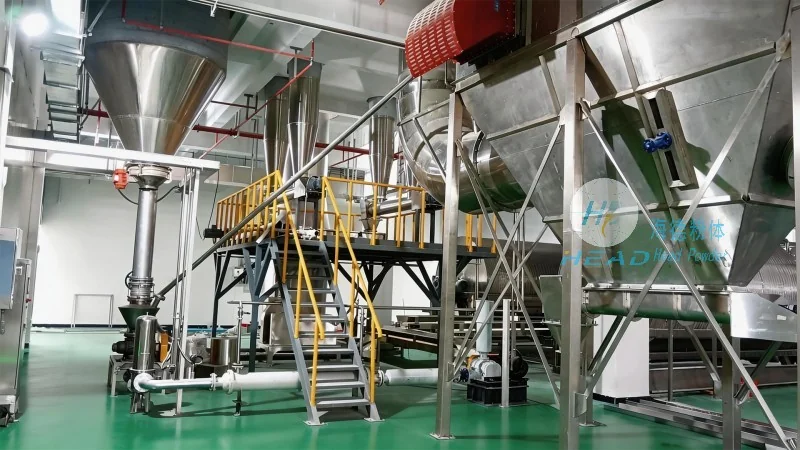
Next, the material is transferred to the conveying system. For stearic acid sodium, which is typically a solid powder or granule, screw conveyors are commonly used due to their ability to handle dry, free-flowing materials without the need for additional lubrication. The screw conveyor consists of a rotating screw inside a cylindrical housing, which moves the material forward through the system. The speed of the screw can be adjusted to control the conveying rate, allowing for precise control over the material flow. In some cases, belt conveyors may be used for larger volumes or when the material needs to be transported over longer distances. These conveyors use a continuous belt that carries the material from the feeding point to the discharge point, with the speed and angle of the belt optimized for efficient transport.
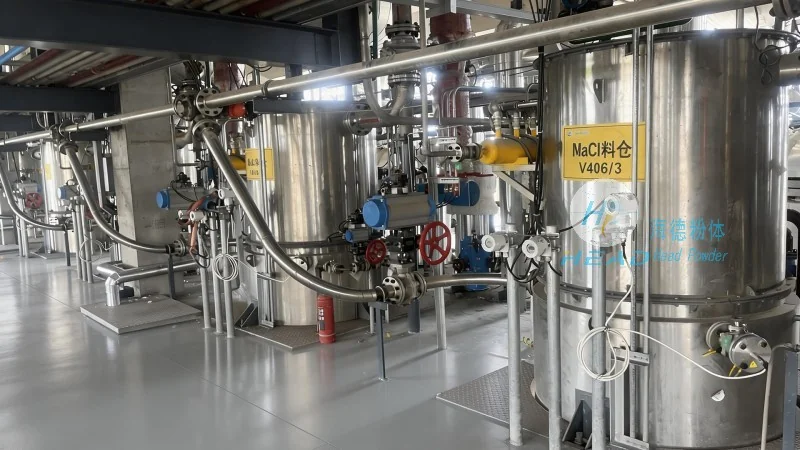
The control unit is a key component that manages the entire operation. It integrates sensors and actuators to monitor and adjust various parameters. For example, pressure sensors can detect any blockages in the conveyor, triggering an alarm or automatically stopping the system to prevent damage. Temperature sensors may be used to monitor the material temperature, ensuring it remains within safe operating limits. The control unit also communicates with the feeding and conveying systems, coordinating their operations to maintain a seamless flow. This integration ensures that the equipment operates efficiently and safely, minimizing the risk of accidents or production disruptions.
Key Features of Stearic Acid Sodium Material Handling Equipment
Key features of the stearic acid sodium material handling equipment include high efficiency and reliability. The equipment is designed to handle large volumes of stearic acid sodium with minimal downtime, making it suitable for continuous production processes. Its robust construction, using materials such as stainless steel and corrosion-resistant alloys, ensures durability and resistance to the chemical properties of stearic acid sodium. This reduces the need for frequent maintenance and replacements, lowering long-term operational costs.