

Working Principle and Features of Tote Bag Quantitative Feeding Material Conveying System
HeadPowder, a leading provider of industrial material handling solutions, specializes in advanced tote bag quantitative feeding and conveying systems. Based in Shandong, China, the company has established itself as a trusted partner for businesses seeking efficient and reliable material processing technologies. This article explores the working principle and key features of the tote bag quantitative feeding material conveying system, highlighting its practical applications and benefits in various industrial settings.
Company Overview and Location
HeadPowder, formally known as Shandong HeadPowder Engineering Co., Ltd., is headquartered in Shandong, China. The company's commitment to innovation and quality has enabled it to develop cutting-edge solutions for material handling challenges. With a focus on precision and durability, HeadPowder's systems are designed to meet the demands of modern industrial operations, ensuring optimal performance and cost-effectiveness for clients across different sectors.
Understanding the Tote Bag Quantitative Feeding Material Conveying System
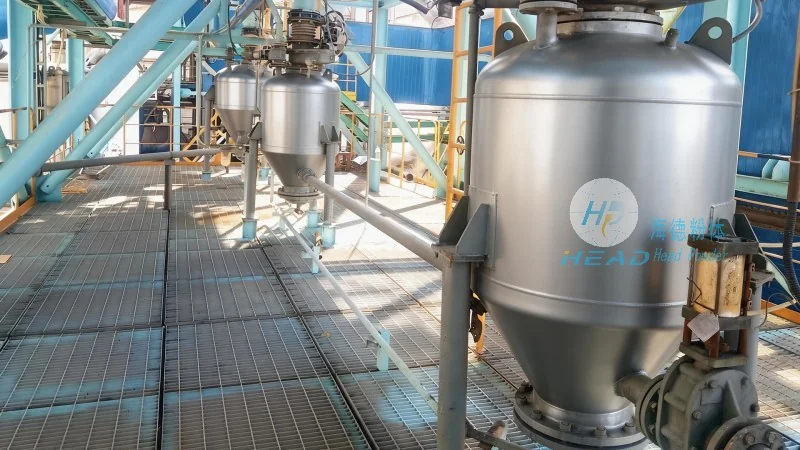
The tote bag quantitative feeding material conveying system is a sophisticated piece of equipment engineered to handle bulk materials from tote bags with high accuracy and efficiency. This system is particularly valuable in industries such as chemical, food processing, pharmaceuticals, and manufacturing, where precise material measurement and controlled feeding are critical for maintaining product quality and operational consistency.
Working Principle of the System
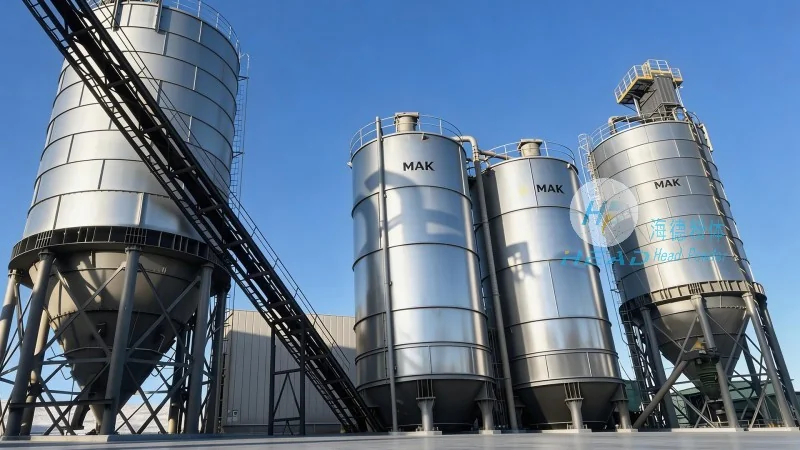
The core of the tote bag quantitative feeding material conveying system lies in its integrated design, which combines several key components to achieve precise material transfer. The process begins with the placement of a tote bag containing the bulk material onto the system's loading platform. The system then uses a combination of sensors, load cells, and automated mechanisms to measure the material's weight and volume accurately. Once the desired quantity is reached, the system triggers the discharge mechanism, which allows the material to be transferred to the next stage of the production line. The entire operation is controlled by a programmable logic controller (PLC), ensuring consistent and repeatable results. The system's ability to handle different material types, including powders, granules, and bulk solids, makes it versatile and adaptable to various industrial needs.
Key Features and Advantages
The tote bag quantitative feeding material conveying system offers several distinct features that set it apart from traditional feeding methods. One of the primary advantages is its high level of accuracy in material measurement. By utilizing advanced load cell technology and precise sensor calibration, the system can achieve measurement errors within a very narrow range, typically less than 0.5% of the total weight. This level of precision is essential for applications where material consistency directly impacts product quality, such as in pharmaceutical manufacturing or food processing.
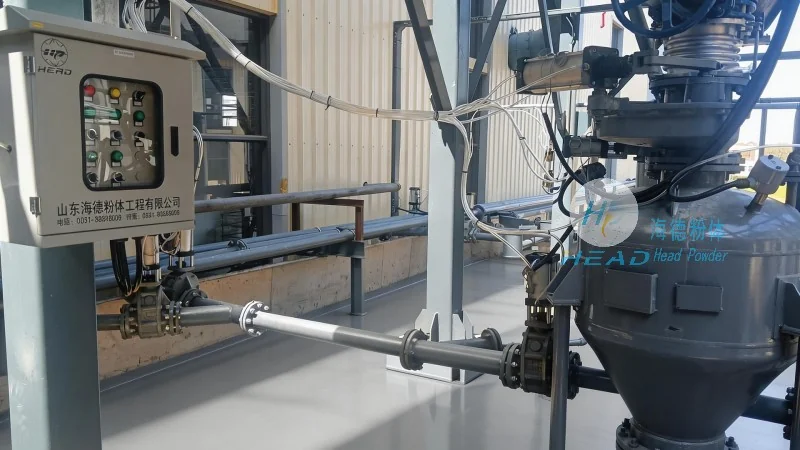
Another notable feature is the system's automation capabilities. The integration of PLC control allows for seamless operation, reducing the need for manual intervention and minimizing the risk of human error. The system can be programmed to handle multiple tote bag sizes and material types, enhancing its flexibility. Additionally, the design incorporates safety features, such as overload protection and emergency stop buttons, ensuring safe and reliable operation in industrial environments.
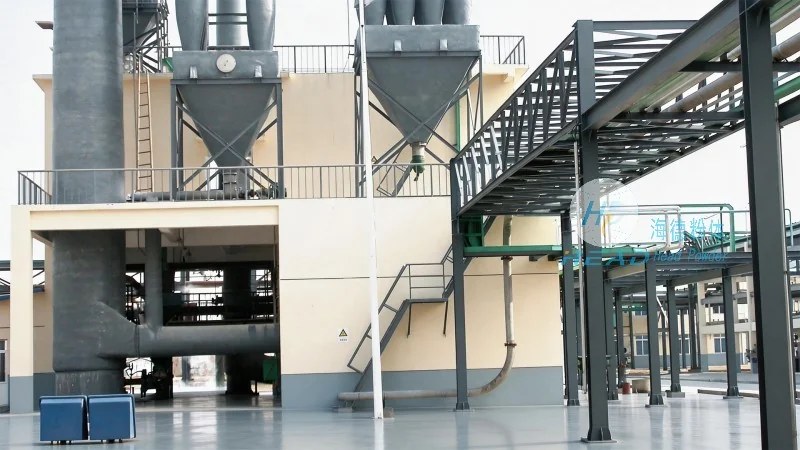
The system also offers enhanced efficiency through its continuous feeding process. Unlike manual feeding methods that require frequent stops and adjustments, the automated system can operate continuously, maintaining a steady flow of material to the production line. This not only improves productivity but also reduces downtime and labor costs. Furthermore, the system's compact design makes it suitable for installation in various plant layouts, optimizing space utilization without compromising performance.
Application Scenarios and Benefits
The tote bag quantitative feeding material conveying system is widely used in industries where precise material handling is paramount. In the chemical industry, for example, it is used to feed raw materials into reactors with exact dosages, ensuring consistent chemical reactions and product quality. In the food and beverage sector, the system helps maintain hygiene standards by preventing cross-contamination and providing controlled feeding of ingredients. The pharmaceutical industry benefits from the system's ability to handle sensitive materials with minimal risk of contamination, meeting stringent regulatory requirements.
For manufacturing companies, the system improves overall production efficiency by reducing material waste and optimizing the use of resources. By eliminating manual feeding errors and ensuring consistent material flow, the system contributes to higher yields and lower operational costs. Additionally, the system's durability and low maintenance requirements make it a cost-effective long-term solution for businesses looking to enhance their material handling capabilities.
Conclusion
HeadPowder's tote bag quantitative feeding material conveying system represents a significant advancement in industrial material handling technology. Its precise measurement capabilities, automation features, and adaptability make it an ideal solution for businesses seeking to improve efficiency, reduce costs, and maintain product quality. With a strong commitment to quality and innovation, HeadPowder continues to provide reliable and effective solutions that meet the evolving needs of the industrial sector. The system's working principle and key features demonstrate its value as a versatile and essential component in modern production lines.