

Working Principle and Features of Multi-Point Feeding Powder Conveying Equipment
Shandong HeadPowder Engineering Co., Ltd., commonly known as HeadPowder, is a professional manufacturer and supplier specializing in powder handling equipment. With a focus on innovation and precision engineering, the company has established itself as a trusted partner in the powder processing industry, serving clients with high-quality solutions tailored to their specific needs. HeadPowder's headquarters is located in Shandong, China, where the company operates its research and development, manufacturing, and quality control facilities.
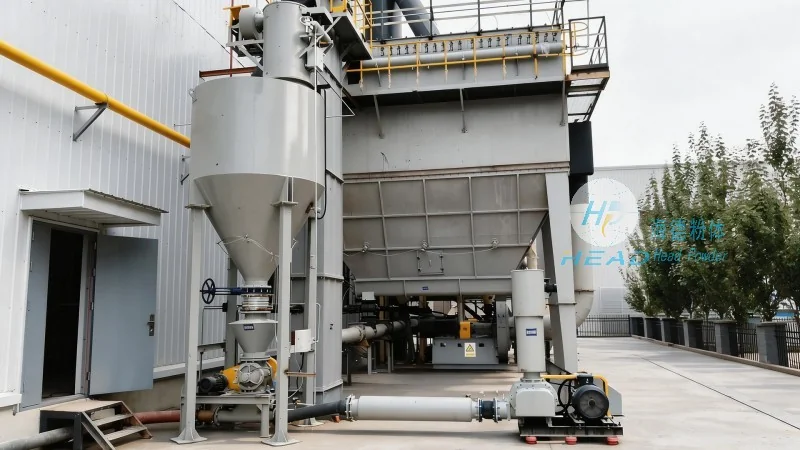
Multi-Point Feeding Powder Conveying Equipment: An Overview
Multi-point feeding powder conveying equipment is a specialized system designed to efficiently transport bulk powders from multiple feeding points to a central processing or storage location. This equipment is widely used in various industries, including pharmaceuticals, food processing, chemical manufacturing, and mining, where the reliable and controlled movement of powders is critical for operational efficiency and product quality. The system typically integrates multiple feeding hoppers or silos, each connected to a common conveying pipeline, allowing for simultaneous or sequential material transfer. By distributing the feeding load across multiple points, the equipment minimizes the risk of blockages, ensures consistent flow rates, and enhances overall system reliability.
Working Principle of Multi-Point Feeding Powder Conveying Systems
The core of multi-point feeding powder conveying equipment lies in its integrated feeding and conveying mechanism. The system operates by drawing material from each feeding point through individual or shared feed hoppers using a combination of air pressure, vacuum, or mechanical means. The most common method is the use of positive pressure air, where compressed air is introduced into the conveying line to create a flow of air and powder mixture. This approach, known as pneumatic conveying, is highly effective for transporting dry powders over moderate distances. The equipment includes components such as feeders, airlocks, filters, and receivers, each playing a crucial role in the material handling process. The feeders regulate the flow of powder from each hopper, while airlocks prevent the backflow of material and maintain airtight sealing. Filters ensure that the conveyed air is clean and free from dust, protecting both the equipment and the environment. Receivers collect the material at the destination, often equipped with discharge mechanisms to transfer the powder to the next stage of processing.
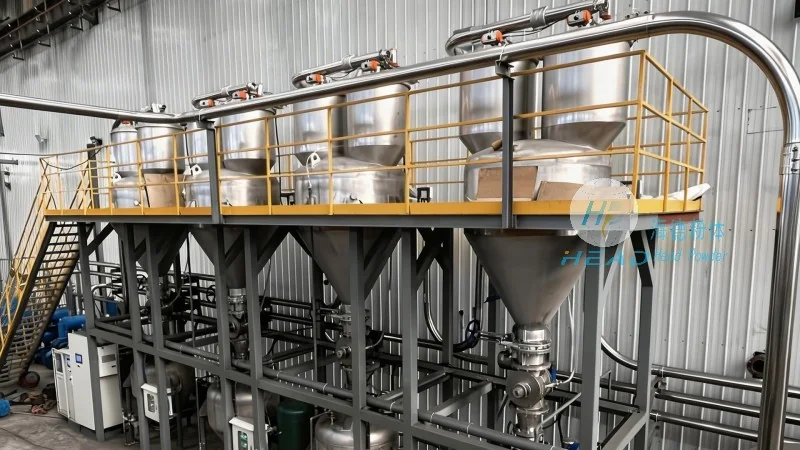
Key Features and Advantages of Multi-Point Feeding Powder Conveying Equipment
Multi-point feeding powder conveying equipment offers several distinct advantages that make it an ideal choice for modern powder handling applications. One of the primary features is its ability to handle multiple feed sources simultaneously, which enhances operational flexibility and reduces downtime. By distributing the feeding load, the system minimizes the risk of overloading any single component, ensuring smooth and continuous operation. Another key feature is the precise control over material flow rates, which is critical for maintaining consistent product quality and preventing issues such as caking or agglomeration. The equipment also provides excellent dust control, as the enclosed conveying system prevents dust from escaping into the environment, improving workplace safety and compliance with environmental regulations. Additionally, multi-point feeding systems are designed for easy integration with existing production lines, allowing for seamless upgrades or expansions without disrupting current operations. The modular design of these systems enables customization to meet specific client requirements, including varying material types, conveying distances, and throughput capacities.
Applications and Industries Served by Multi-Point Feeding Powder Conveying Equipment
Multi-point feeding powder conveying equipment is widely utilized across various industries due to its versatility and efficiency. In the pharmaceutical industry, the equipment is essential for handling active pharmaceutical ingredients (APIs) and excipients, ensuring that the powders are transported in a sterile and controlled manner to maintain product purity. The food processing industry relies on these systems for conveying ingredients such as flour, sugar, and spices, where hygiene and contamination prevention are paramount. In chemical manufacturing, the equipment is used to transport raw materials and intermediates, supporting processes like mixing, blending, and reaction. The mining and mineral processing sector also benefits from multi-point feeding systems, which help in transporting bulk minerals from multiple ore sources to processing facilities. Overall, the equipment's ability to handle diverse materials and maintain consistent flow rates makes it a valuable asset in any operation where bulk powder handling is required.
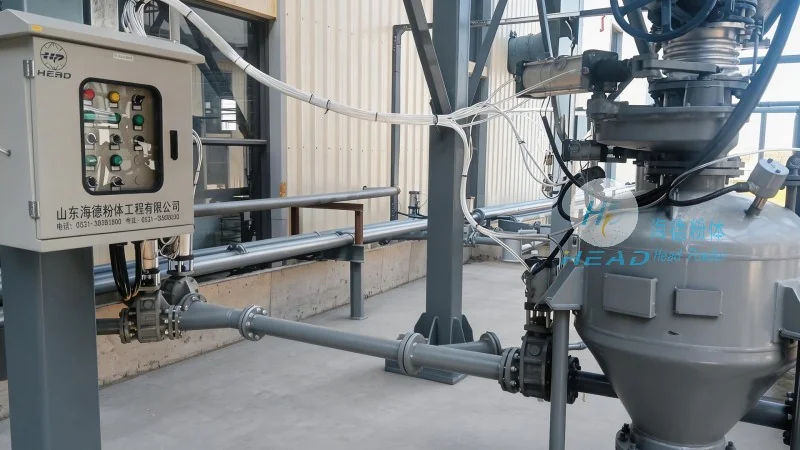
Maintenance and Operational Considerations for Multi-Point Feeding Powder Conveying Equipment
Proper maintenance and operational practices are essential to ensure the long-term performance and reliability of multi-point feeding powder conveying equipment. Regular inspection of components such as feeders, airlocks, and filters is crucial to prevent blockages and ensure optimal airflow. The feed hoppers should be checked for material buildup and cleaned as needed to maintain consistent feeding rates. Air filters should be replaced or cleaned regularly to prevent dust accumulation, which can reduce airflow efficiency and increase energy consumption. Additionally, the conveying line should be inspected for any signs of wear or damage, such as cracks or leaks, which can affect the system's performance. Proper training of operators on the equipment's operation and maintenance is also important to minimize downtime and extend the equipment's lifespan. By following these guidelines, users can maximize the efficiency and longevity of their multi-point feeding powder conveying systems, ensuring consistent performance and product quality.
Conclusion: The Role of Multi-Point Feeding Powder Conveying Equipment in Modern Powder Handling
Multi-point feeding powder conveying equipment plays a vital role in modern industrial operations, providing efficient, reliable, and safe solutions for bulk powder handling. With its ability to handle multiple feed sources and maintain consistent flow rates, the equipment enhances operational flexibility and reduces the risk of material-related issues. The integration of advanced components, such as airlocks and filters, ensures that the system operates with minimal downtime and maximum efficiency. As a result, industries across various sectors rely on these systems to improve productivity, maintain product quality, and comply with environmental regulations. Shandong HeadPowder Engineering Co., Ltd. continues to innovate in the field of powder handling equipment, offering customized solutions that meet the evolving needs of its clients. By leveraging the expertise and experience of HeadPowder, businesses can achieve optimal performance and reliability in their powder processing operations.