

Working Principle and Features of Stone Aggregate Powder Conveying System
HeadPowder, a leading provider of advanced material handling solutions, specializes in the design and implementation of efficient stone aggregate powder conveying systems. These systems are engineered to handle bulk materials like stone aggregates, powders, and granules with precision and reliability, catering to various industrial applications such as construction, mining, and manufacturing. The company, based in Shandong, China, leverages cutting-edge technology and extensive industry experience to deliver tailored solutions that meet the unique demands of each client.
Working Principle of the Stone Aggregate Powder Conveying System
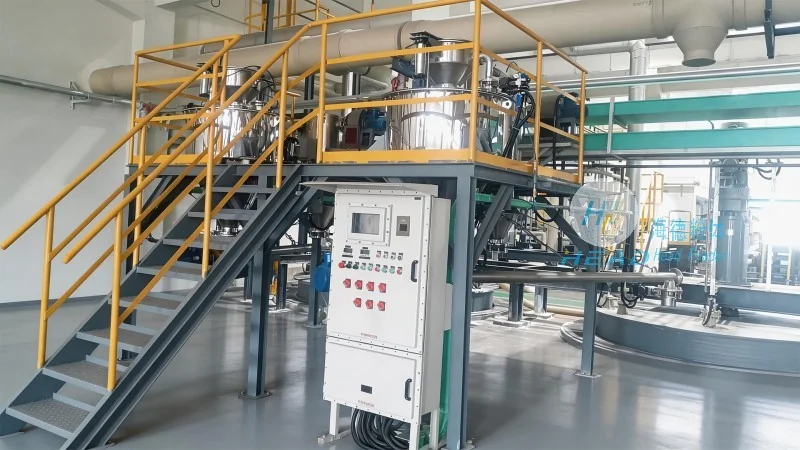
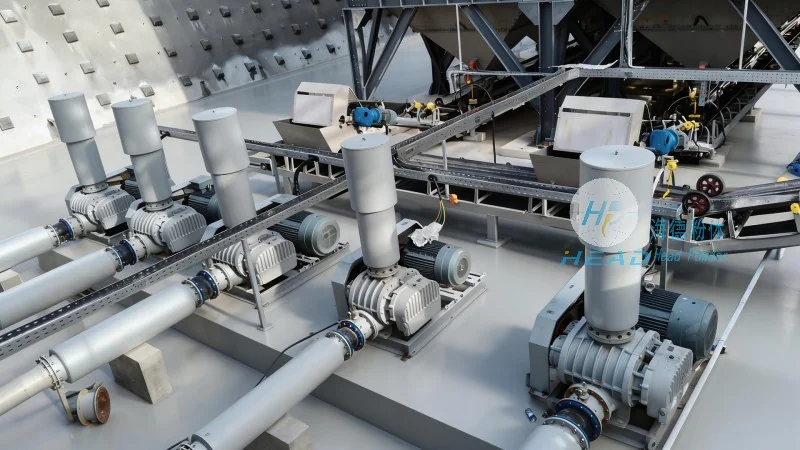
The core mechanism of the stone aggregate powder conveying system involves a combination of components working in harmony to ensure seamless material transport. The system typically starts with a hopper or storage silo where the stone aggregates are stored. From there, a feeder or rotary valve controls the flow of material into the conveyor. The conveyor itself can be of various types, including screw conveyors, belt conveyors, or pneumatic conveying systems, depending on the material characteristics and operational requirements. For stone aggregates, which are often dry and free-flowing, a screw conveyor or a belt conveyor with appropriate tensioning and speed control is commonly used. The screw conveyor uses a rotating helical screw to push the material forward, while the belt conveyor relies on a moving belt that transports the aggregates. In some cases, pneumatic conveying is employed for fine powders, where air pressure is used to move the material through a pipeline. The system also includes control valves, sensors, and a control panel to monitor and adjust the flow rate, ensuring consistent and safe operation. The entire process is designed to minimize material degradation, prevent blockages, and maintain high efficiency throughout the conveying operation.
Key Features of the Stone Aggregate Powder Conveying System
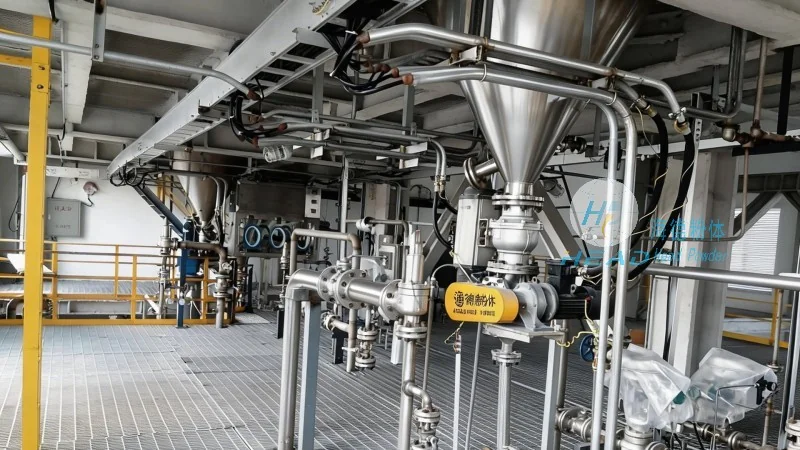
HeadPowder's stone aggregate powder conveying systems are distinguished by several key features that enhance performance and reliability. First, the systems are built with high-quality materials, such as stainless steel or corrosion-resistant alloys, to withstand the abrasive nature of stone aggregates and prevent wear and tear. This ensures long service life and minimal maintenance. Second, the design incorporates advanced control systems, including variable speed drives and real-time monitoring sensors, which allow for precise control of the material flow rate. This feature is crucial for maintaining consistent product quality and preventing overloading or underloading of downstream equipment. Third, the systems are equipped with safety features, such as emergency stop buttons, overload protection, and dust suppression mechanisms, to ensure safe operation in industrial environments. Fourth, the modular design of the system allows for easy integration with existing production lines and flexible expansion as production needs change. Additionally, the systems are designed for low energy consumption, reducing operational costs while maintaining high efficiency. These features collectively make the stone aggregate powder conveying systems from HeadPowder a reliable and efficient solution for bulk material handling in various industries.
Applications and Benefits
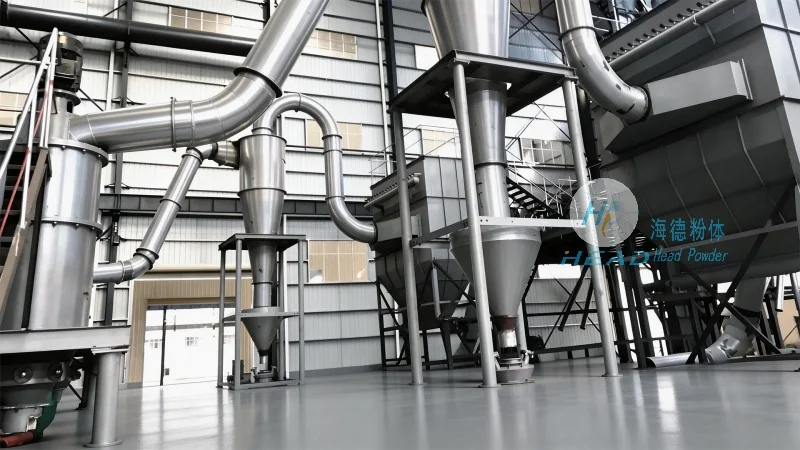
The stone aggregate powder conveying systems are widely used in a range of industrial applications. In the construction industry, they are used to transport aggregates for concrete production, ensuring a steady supply of materials to mixing plants. In the mining sector, they help in transporting crushed stone and powders from processing plants to storage or transportation facilities. In manufacturing, they are used to move raw materials for production processes, improving workflow efficiency. The benefits of using these systems include increased productivity, reduced labor costs, improved material quality, and enhanced safety. By automating the material handling process, the systems minimize human error and reduce the risk of accidents. Additionally, the consistent flow of materials ensures that downstream processes run smoothly, avoiding bottlenecks and downtime. The systems also contribute to environmental sustainability by reducing dust emissions and minimizing material waste through efficient handling.