

Working Principle and Characteristics of Cement Auxiliary Powder Conveying
Cement auxiliary powder conveying is a critical process in the cement production and processing industry, involving the efficient and reliable transportation of various auxiliary materials such as fly ash, slag, and limestone. The proper handling of these powders directly impacts production efficiency, product quality, and operational costs. Understanding the working principle and key characteristics of this system is essential for optimizing industrial operations.
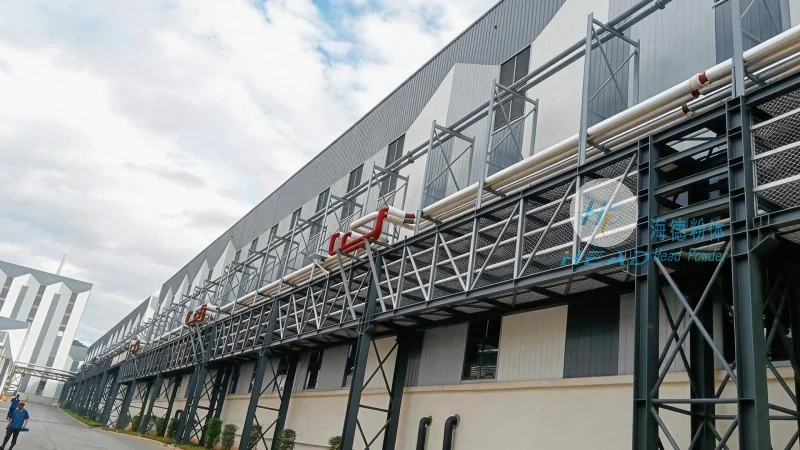
Working Principle of Cement Auxiliary Powder Conveying
The working principle of cement auxiliary powder conveying systems typically revolves around the use of specialized equipment designed to move bulk powders from storage silos or raw material bins to processing units like cement mills or preheaters. The core components and operational mechanisms vary depending on the specific conveying method employed, but common approaches include pneumatic conveying, screw conveyors, and bucket elevators. Each method operates on distinct physical principles to achieve effective material transport.
Pneumatic conveying, for instance, utilizes air flow to transport powders through a pipeline system. This method is particularly effective for fine powders and can be categorized into pressure and vacuum systems. In a pressure system, a positive pressure is maintained throughout the pipeline, while a vacuum system creates a negative pressure at the receiver end. The choice between these systems depends on factors such as material characteristics, distance, and system complexity. The process involves feeding the powder into the conveying line, where it is entrained by the moving air and transported to the destination. At the receiving end, the air is separated from the powder, often through a cyclone or filter, and the powder is discharged for further processing.
Screw conveyors, another widely used method, operate by rotating a helical screw within a trough. The rotation of the screw pushes the material forward along the trough, providing a continuous and controlled flow. This method is suitable for a wide range of materials, including cohesive and abrasive powders, and is commonly used for short to medium distance transport. The design of the screw, including its pitch and diameter, is tailored to the specific material being conveyed to ensure optimal performance and minimize wear. Screw conveyors are often integrated with other equipment, such as feeders and mixers, to form a cohesive material handling system.
Bucket elevators, on the other hand, use a series of buckets attached to a chain or belt to lift and transport powders vertically. This method is ideal for vertical or inclined transport and is commonly employed in cement plants to move materials from ground-level storage to elevated processing units. The buckets are filled with material at the lower end and discharged at the upper end as the elevator moves upward. The speed and capacity of the bucket elevator are adjusted based on the material's bulk density and the required throughput. This system is known for its high efficiency and ability to handle large volumes of material with minimal energy consumption.
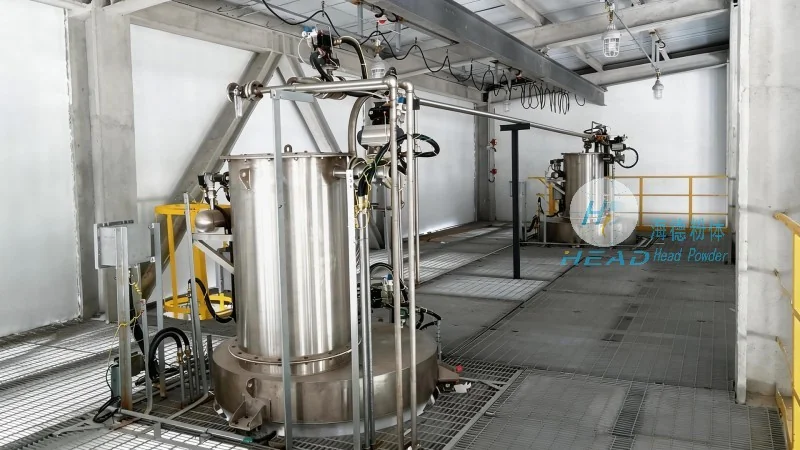
Key Characteristics of Cement Auxiliary Powder Conveying Systems
Several key characteristics define the performance and suitability of cement auxiliary powder conveying systems. These include efficiency, reliability, material compatibility, and energy consumption. Each characteristic plays a crucial role in determining the optimal system for a given industrial application.
Efficiency is a primary consideration, as it directly impacts production throughput and operational costs. Modern conveying systems are designed to maximize material throughput while minimizing energy use. Factors such as the conveying distance, material density, and system design (e.g., straight vs. curved pipelines) influence overall efficiency. For example, pneumatic conveying systems can achieve high throughput rates, especially for fine powders, but may require more energy compared to mechanical systems like screw conveyors.
Reliability is another critical characteristic, as interruptions in material supply can lead to production delays and increased costs. High-quality components, robust construction, and proper maintenance are essential for ensuring consistent operation. The use of durable materials, such as stainless steel or corrosion-resistant alloys, helps prevent wear and tear, extending the system's lifespan. Additionally, advanced control systems and monitoring tools enable real-time tracking of system performance, allowing for quick identification and resolution of issues.
Material compatibility is vital, as different auxiliary powders have varying properties that can affect the conveying process. For instance, some materials may be abrasive, leading to increased wear on equipment components, while others may be hygroscopic, requiring special handling to prevent clumping or moisture absorption. The design of the conveying system must account for these properties to ensure smooth operation. Proper selection of equipment, such as the type of screw or the size of the bucket, is crucial for accommodating the specific characteristics of the material being transported.

Energy consumption is a significant factor in the overall cost-effectiveness of the system. Efficient energy use not only reduces operational expenses but also aligns with sustainability goals. Modern conveying systems incorporate energy-saving features, such as variable speed drives and optimized air flow control. These technologies allow for adjustments in power consumption based on the actual demand, minimizing waste. For example, in pneumatic conveying, the use of low-pressure systems or vacuum-assisted methods can reduce energy usage compared to high-pressure systems. Additionally, the integration of energy recovery systems, such as air compressors with regenerative capabilities, further enhances energy efficiency.
Company Introduction: Shandong HeadPowder Engineering Co., Ltd.
Shandong HeadPowder Engineering Co., Ltd., commonly known as HeadPowder, is a leading provider of advanced powder handling solutions in the cement industry. With a strong focus on innovation and customer satisfaction, the company specializes in designing, manufacturing, and installing high-quality conveying systems tailored to the specific needs of cement plants. HeadPowder's expertise spans various types of powder handling equipment, including pneumatic conveyors, screw conveyors, and bucket elevators, ensuring reliable and efficient material transport for auxiliary powders.
HeadPowder is committed to delivering solutions that enhance operational efficiency, reduce costs, and improve product quality. The company's team of experienced engineers and technicians leverages cutting-edge technology and industry best practices to develop customized systems that meet the unique requirements of each client. With a strong presence in China, particularly in Shandong province, HeadPowder has established itself as a trusted partner for cement manufacturers seeking reliable and efficient powder conveying solutions.
The company's facilities are equipped with state-of-the-art manufacturing equipment and rigorous quality control processes, ensuring that all products meet or exceed industry standards. HeadPowder's dedication to excellence is reflected in its customer-centric approach, where every project is handled with attention to detail and a focus on long-term partnership. By combining technical expertise with practical application, HeadPowder continues to set new standards in the cement auxiliary powder conveying industry.