

Working Principle and Features of Grain Bulk Pneumatic Conveying System Equipment
Shandong HeadPowder Engineering Co., Ltd., commonly known as headpowder, is a leading manufacturer specializing in the design and production of pneumatic conveying systems for bulk material handling. With a strong presence in China, particularly in Shandong province, the company has established itself as a trusted provider of high-quality equipment tailored for the grain processing industry. Our facilities are equipped with advanced technology and skilled engineering teams, enabling us to deliver customized solutions that meet the specific needs of our clients. The company’s commitment to quality and innovation has positioned it as a key player in the market, offering reliable and efficient equipment for various industrial applications.
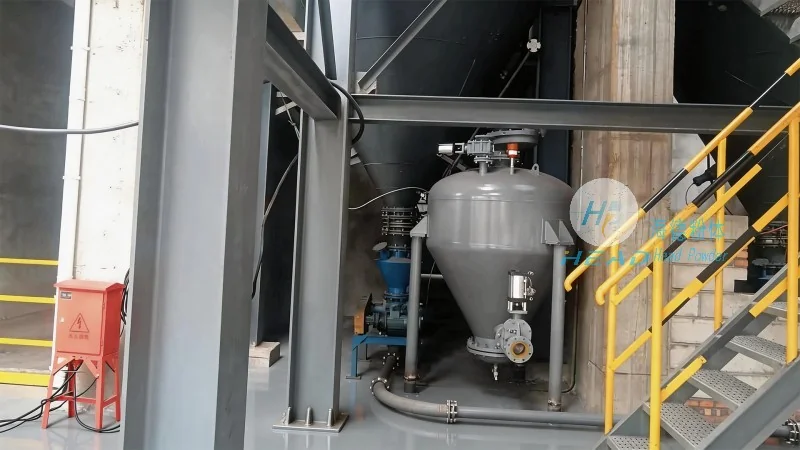
Understanding Pneumatic Conveying: The Core Technology
Pneumatic conveying systems are a critical component in modern grain processing, providing an effective method for transporting bulk materials such as wheat, corn, and other grains. Unlike traditional mechanical conveyors, which rely on belts or buckets, pneumatic systems utilize air pressure to move the material through a pipeline. This approach offers several advantages, including reduced labor costs, improved hygiene, and the ability to handle materials that are difficult to transport with conventional methods. The basic working principle involves creating a pressure difference between the inlet and outlet of the system. In an "inlet" or "suction" system, a vacuum is created at the inlet, drawing the grain particles into the pipeline. Conversely, an "outlet" or "pressure" system uses compressed air to push the material forward. Both methods ensure that the grain is transported efficiently and with minimal disruption to its quality.
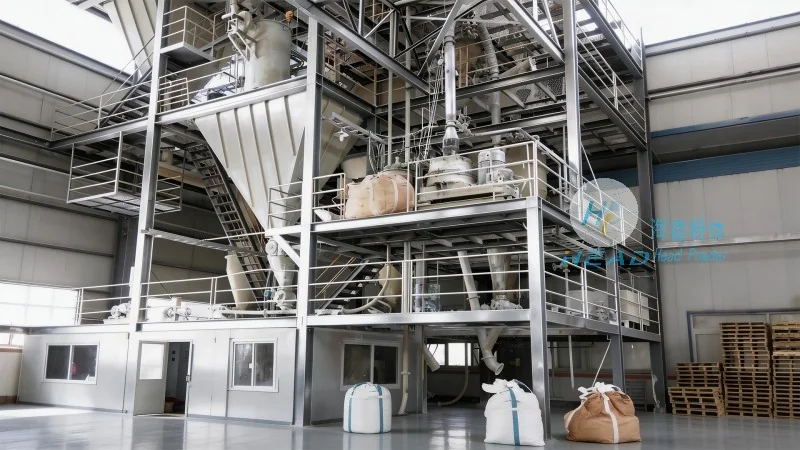
Working Principle in Detail: How It Operates
The operation of a grain bulk pneumatic conveying system involves several key steps. First, the grain is fed into the system, typically through a hopper or feeder. The feeder then regulates the flow of material into the pipeline. Next, the air is introduced into the system, either by creating a vacuum (in suction systems) or by applying pressure (in pressure systems). The air flow then carries the grain particles through the pipeline, transporting them to the desired location. The system may include components such as filters, cyclones, and separators to ensure that the grain is properly cleaned and separated from any air or debris. These components help maintain the purity of the grain and protect the equipment from damage. The entire process is controlled by a system of valves and sensors, which monitor the pressure, flow rate, and material level, ensuring optimal performance and preventing any potential issues.
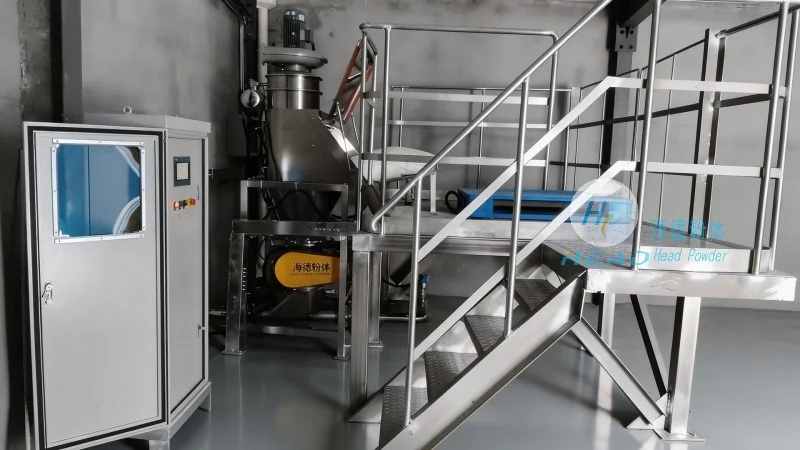
Key Features and Advantages of Our Systems
Our pneumatic conveying equipment for grain processing is engineered with several key features that set it apart from other solutions in the market. One of the primary advantages is the high efficiency in material transport, which allows for the movement of large volumes of grain with minimal energy consumption. The system’s flexibility in layout is another significant benefit, as it can be easily integrated into existing production lines without the need for extensive modifications. Additionally, the equipment is constructed with materials that meet strict food-grade standards, ensuring that the grain remains uncontaminated and safe for consumption. The design also minimizes the risk of material spillage and dust generation, contributing to a cleaner and safer working environment. Furthermore, the system’s low maintenance requirements and compact design make it a practical choice for industrial applications, reducing downtime and operational costs. The reliability of our systems is further enhanced by the use of durable components and advanced control systems, ensuring consistent performance over extended periods.