

Working Principle and Features of Environmental-Friendly Pneumatic Conveying Systems
Environmental protection has become a critical focus in industrial operations, and the pneumatic conveying system plays a vital role in achieving sustainable material handling. As a leading provider in the field, Shandong HeadPowder Engineering Co., Ltd. specializes in developing advanced, eco-friendly pneumatic conveying solutions that meet modern industry standards while minimizing environmental impact. This article explores the working principles and key features of such systems, highlighting how they contribute to efficient and sustainable material transport.
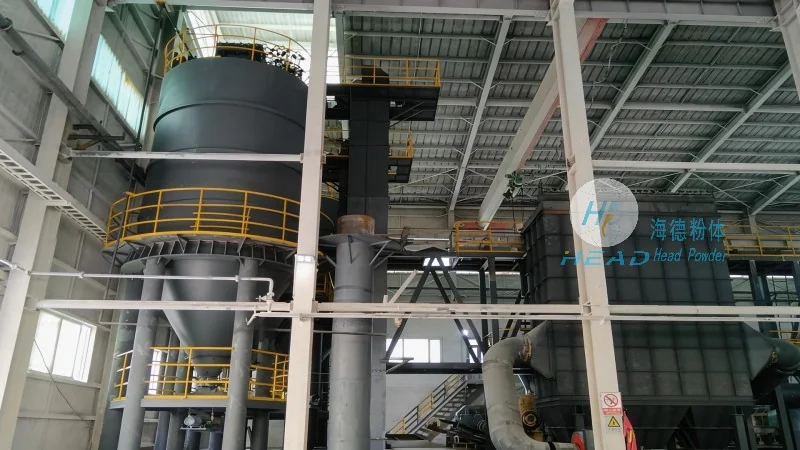
Understanding the Working Principle of Environmental Pneumatic Conveying Systems
The core of an environmental pneumatic conveying system lies in its ability to transport bulk materials through a pipeline using compressed air or other gases. Unlike traditional mechanical systems that rely on belts, buckets, or screw conveyors, pneumatic systems utilize air pressure to move materials, which significantly reduces mechanical wear and energy consumption. The process typically involves several key components: a material hopper for storage, a feeder to control the flow rate, a conveying line (often equipped with bends and filters), and a receiver for the discharged material. The system operates by introducing compressed air into the pipeline, creating a pressure differential that propels the material particles forward. This method not only enhances material handling efficiency but also minimizes dust generation and noise pollution, aligning with environmental regulations.
One of the primary working principles is the classification of pneumatic conveying systems into two main types: dilute-phase and dense-phase. Dilute-phase systems use low air velocities to transport materials in a suspended state, suitable for fine powders and granules. Dense-phase systems, on the other hand, employ higher air pressures and lower velocities to move materials in a more compact form, which is ideal for handling abrasive or sensitive products. The choice between these systems depends on the material properties, such as particle size, density, and moisture content, as well as the required conveying distance and throughput. Shandong HeadPowder Engineering Co., Ltd. designs customized solutions that optimize these parameters to ensure efficient and reliable operation.
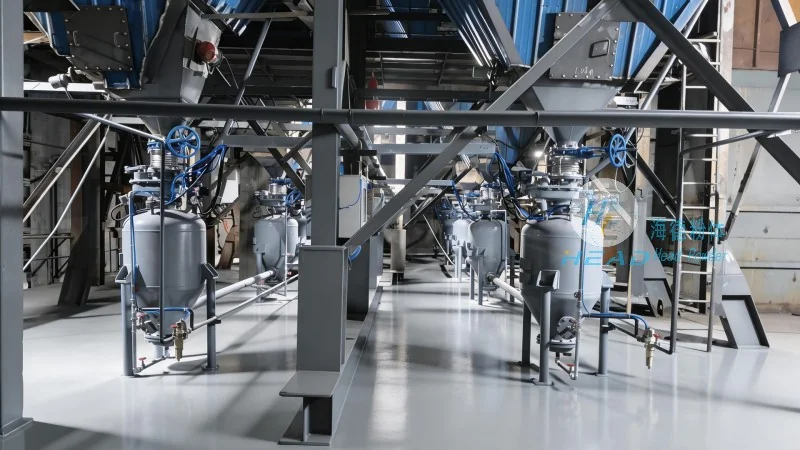
Key Features of Environmental Pneumatic Conveying Systems
Environmental pneumatic conveying systems from Shandong HeadPowder Engineering Co., Ltd. are characterized by several advanced features that enhance performance and sustainability. First, these systems are designed with energy efficiency in mind, utilizing advanced air compressors and variable speed drives to reduce power consumption. By optimizing air pressure and flow rates, the systems minimize energy waste while maintaining high conveying capacity. Second, the systems incorporate robust filtration and dust collection mechanisms to ensure compliance with environmental regulations. This includes high-efficiency particulate air (HEPA) filters and cyclone separators that capture fine particles, preventing air pollution and protecting the surrounding environment. Third, the materials used in the construction of the conveying lines and components are selected for their durability and resistance to corrosion, ensuring long-term reliability and reduced maintenance costs.
Another notable feature is the system's adaptability to various material types. Whether handling powders, granules, or even bulk solids, the environmental pneumatic conveying systems can be configured to suit diverse industrial applications, such as in pharmaceuticals, food processing, chemical manufacturing, and mining. The modular design allows for easy integration with existing production lines, minimizing downtime during installation and operation. Additionally, the systems are equipped with advanced monitoring and control technologies, including real-time pressure sensors and automated flow control, which enable operators to optimize performance and detect potential issues promptly. This proactive approach enhances system reliability and reduces the risk of material loss or system failure.
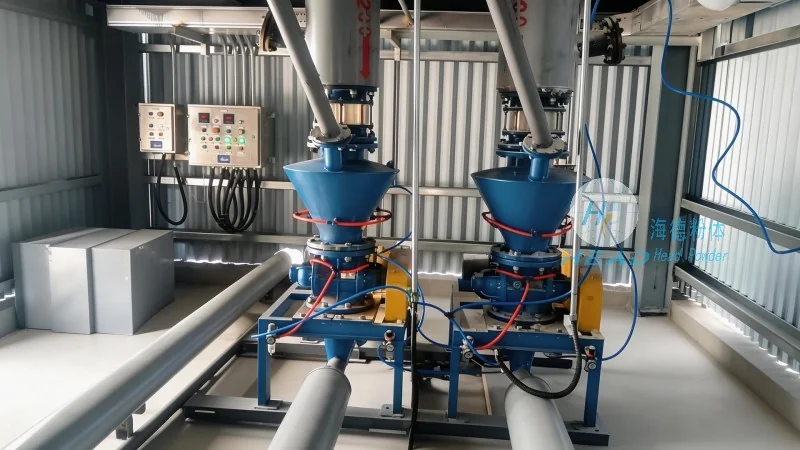
Benefits of Implementing Environmental Pneumatic Conveying Systems
Adopting environmental pneumatic conveying systems offers numerous benefits for industrial operations. From a sustainability perspective, these systems significantly reduce the environmental footprint by minimizing dust emissions, noise pollution, and energy consumption. This not only helps companies meet regulatory requirements but also enhances their corporate social responsibility (CSR) image. From an operational standpoint, the systems improve material handling efficiency, reduce labor costs, and increase production throughput. The reduced maintenance requirements and longer component lifespan further contribute to cost savings over the system's lifecycle. Furthermore, the flexibility of these systems allows for easy expansion or modification as production needs evolve, providing long-term value to the investment.
Shandong HeadPowder Engineering Co., Ltd. stands out in the industry by offering tailored solutions that address specific customer needs. With a deep understanding of material properties and industrial requirements, the company provides comprehensive support from system design and installation to maintenance and after-sales service. By focusing on environmental sustainability and operational efficiency, HeadPowder has established itself as a trusted partner for businesses seeking to upgrade their material handling processes. The company's commitment to innovation and quality ensures that its environmental pneumatic conveying systems remain at the forefront of industry standards, delivering reliable and eco-friendly solutions for a sustainable future.