

What is an Iron Oxide Powder Pneumatic Conveying System? And What Are Its Design Principles?
Iron oxide powder, a widely used material in various industrial applications, often requires efficient and reliable transportation methods. The iron oxide powder pneumatic conveying system emerges as a crucial solution for handling such powders, offering advantages over traditional methods like bulk handling and manual transport. This article delves into the fundamental aspects of this system, exploring its design principles and the role of companies like Shandong HeadPowder Engineering Co., Ltd. in implementing effective solutions.
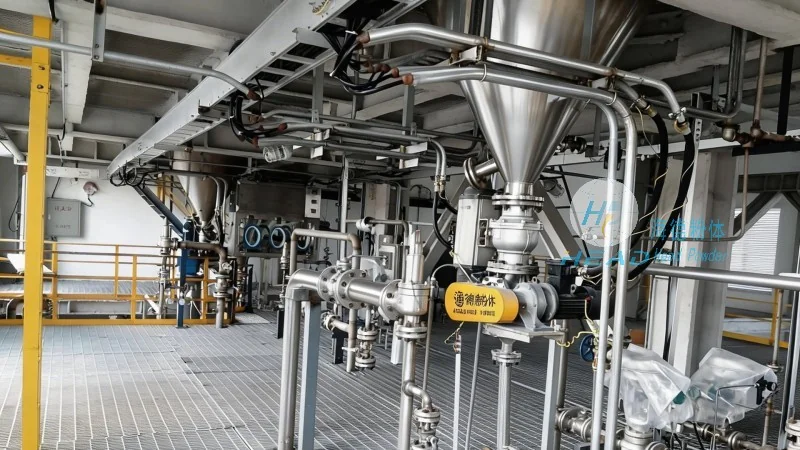
Understanding the Iron Oxide Powder Pneumatic Conveying System
The iron oxide powder pneumatic conveying system is a technology that utilizes air or gas to transport iron oxide powder from one location to another. This method is particularly beneficial for materials that are prone to dust, have a high moisture content, or are sensitive to contamination. Unlike mechanical conveyors, which rely on physical contact and may cause particle degradation or segregation, pneumatic systems offer a non-contact, low-maintenance approach. The system typically consists of a hopper, a conveyor line, a dust collector, and a control unit, all working in tandem to ensure smooth and continuous powder movement.

Key Design Principles of the Pneumatic Conveying System
The design of an iron oxide powder pneumatic conveying system is governed by several critical principles to ensure optimal performance. First, the system must be tailored to the specific properties of the iron oxide powder, such as particle size, density, and flowability. The selection of air velocity and pressure is paramount; too low a velocity may cause particle settling, while too high a velocity can lead to excessive energy consumption and equipment wear. Engineers from Shandong HeadPowder Engineering Co., Ltd. carefully calculate these parameters based on the material's characteristics and the required conveying distance. Second, the system's layout, including the number and placement of conveying lines, must minimize pressure losses and ensure uniform flow. This involves considering factors like pipeline diameter, bends, and the use of airlocks or rotary valves to control the flow rate. Third, the inclusion of a dust collection system is essential to prevent environmental contamination and maintain air quality. The design incorporates high-efficiency filters and proper ventilation to capture and recycle the powder, reducing waste and operational costs.
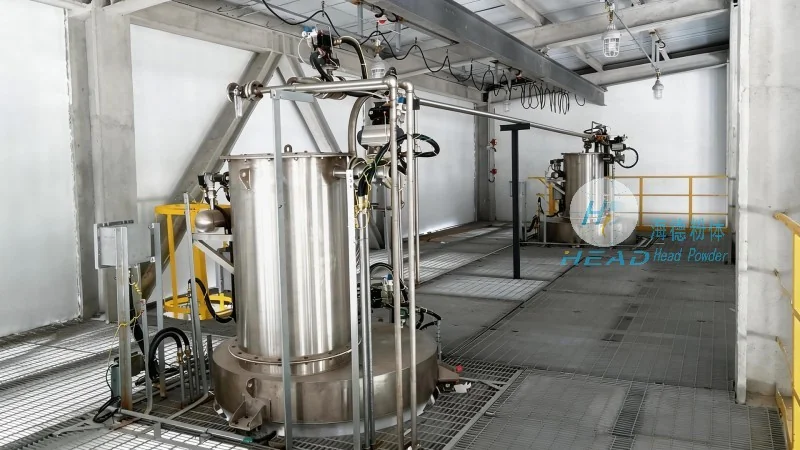
The Role of Shandong HeadPowder Engineering Co., Ltd. in System Implementation
Shandong HeadPowder Engineering Co., Ltd., a leading provider in the field, specializes in designing and manufacturing customized iron oxide powder pneumatic conveying systems. The company's expertise lies in integrating advanced engineering principles with practical industrial needs. By leveraging years of experience, the company's engineers develop solutions that address the unique challenges of iron oxide powder handling, such as its abrasive nature and tendency to agglomerate. The design process begins with a thorough analysis of the client's requirements, including the volume of powder to be conveyed, the distance, and the environmental regulations. Based on this analysis, the company selects appropriate components, such as high-quality stainless steel pipelines, efficient air compressors, and advanced control systems. The implementation phase involves rigorous testing and commissioning to ensure the system operates within specified parameters. The company also provides ongoing support, including maintenance services and technical assistance, to guarantee long-term reliability and performance.
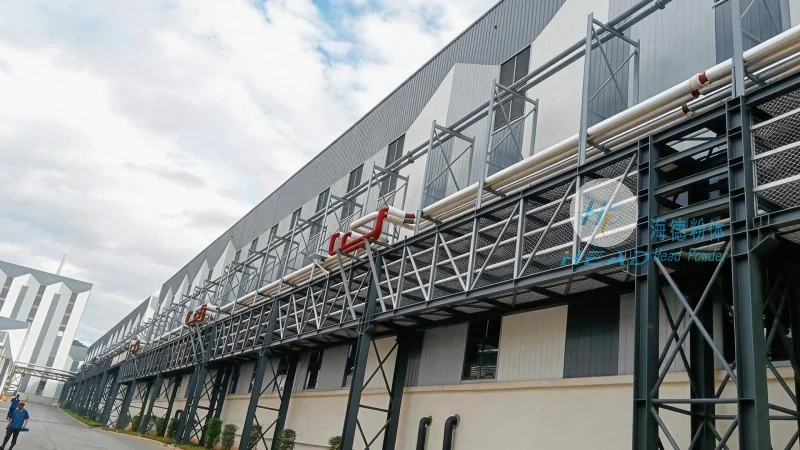
Advantages and Applications of the System
The iron oxide powder pneumatic conveying system offers numerous advantages over traditional transport methods. It provides a clean, dust-free environment, which is crucial for maintaining product quality and compliance with environmental standards. The system also reduces labor costs by automating the powder handling process, minimizing the risk of human error and exposure to hazardous materials. Additionally, it allows for flexible and scalable solutions, as the system can be easily expanded or modified to accommodate changing production needs. The applications of this technology span various industries, including chemical manufacturing, pharmaceuticals, and food processing. In the chemical industry, iron oxide powders are used as pigments and catalysts, and the pneumatic system ensures their safe and efficient transport. In pharmaceuticals, the system helps maintain the sterility and purity of the powder, which is critical for drug production. Overall, the iron oxide powder pneumatic conveying system is a vital component in modern industrial operations, enabling efficient and sustainable powder handling.