

What is a PUR Material Conveying Line? And What Are Its Design Principles?
For industrial operations that require efficient and reliable material handling, the PUR (Polyurethane) material conveying line has emerged as a versatile solution. This article explores the fundamental aspects of PUR material conveying lines, including their design principles, key components, and practical applications. By understanding the core elements of these systems, businesses can make informed decisions about integrating such technology into their production processes.
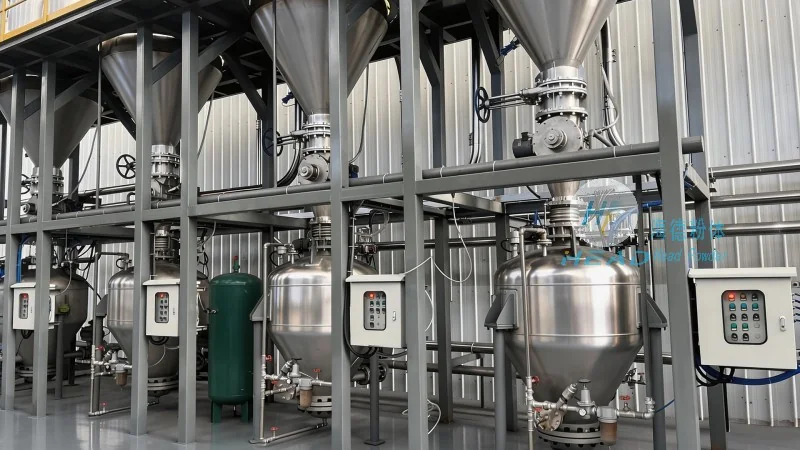
Understanding the PUR Material Conveying Line
A PUR material conveying line is a specialized system designed to transport bulk materials or finished products using polyurethane components. These systems are widely used across various industries, including manufacturing, packaging, and logistics, due to their durability, flexibility, and ability to handle a wide range of materials. The primary goal of a PUR conveying line is to ensure smooth, continuous material flow while minimizing downtime and maintenance costs.
Key Components of a PUR Conveying Line
The effectiveness of a PUR material conveying line depends on several critical components that work in harmony to facilitate material transport. These components typically include:
1. PUR Belts or Paddles: The core element of the conveying system, these components are made from polyurethane, offering excellent abrasion resistance and flexibility. They are designed to grip and move materials efficiently, even in challenging environments.
2. Drive Motors and Pulleys: These components provide the necessary power to move the PUR belts or paddles. High-efficiency motors and precision pulleys ensure consistent speed and torque, maintaining the integrity of the material being conveyed.
3. Support Structures: Rigid frames and supports are essential to maintain the alignment and stability of the conveying line. These structures are typically constructed from durable materials like steel or aluminum, ensuring long-term reliability.
4. Control Systems: Modern PUR conveying lines often incorporate advanced control systems, such as PLCs (Programmable Logic Controllers), to monitor and regulate the operation of the system. These systems allow for real-time adjustments and help optimize performance.
Design Principles of a PUR Material Conveying Line
The design of a PUR material conveying line is guided by several key principles aimed at maximizing efficiency, durability, and adaptability. These principles include:
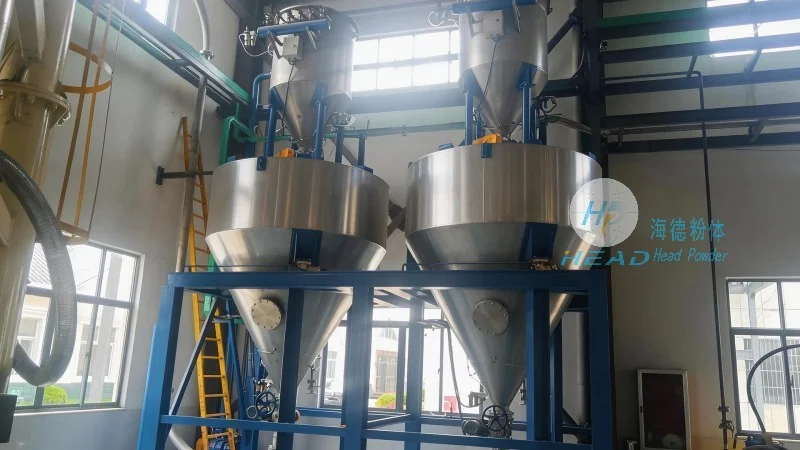
1. Material Compatibility: The design must consider the specific properties of the materials being conveyed, such as size, weight, and abrasiveness. This ensures that the PUR components are selected to withstand the demands of the application.
2. System Integration: The conveying line should be integrated seamlessly with existing production equipment to minimize disruptions and enhance workflow. This includes considerations for space constraints, power requirements, and compatibility with other machinery.
3. Durability and Maintenance: The design prioritizes long-term reliability by using high-quality materials and components that are resistant to wear, corrosion, and environmental factors. This reduces the need for frequent repairs and extends the operational life of the system.
4. Energy Efficiency: Modern designs incorporate energy-saving features, such as variable speed drives and optimized belt tensions, to reduce operational costs while maintaining performance.
Applications of PUR Material Conveying Lines
PUR material conveying lines are versatile and can be applied in various industrial settings. Some common applications include:
1. Manufacturing and Production: In factories, these systems are used to transport raw materials to processing stations and finished products to packaging areas. The durability of PUR components ensures consistent performance in high-demand environments.
2. Packaging and Logistics: The conveying lines are used in packaging lines to move products from assembly to packaging machines and then to storage or shipping areas. Their flexibility allows for integration with different packaging equipment.
3. Food and Beverage Industry: In food processing facilities, PUR conveying lines are used to transport food products while maintaining hygiene standards. The non-stick and easy-to-clean properties of polyurethane make them suitable for food applications.
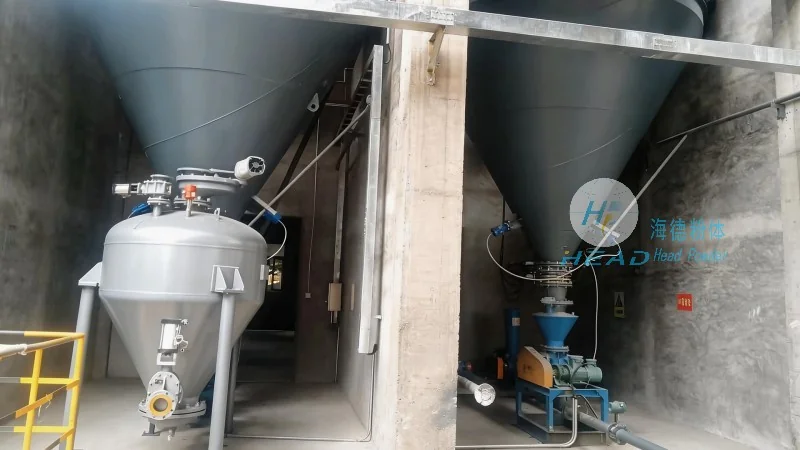
4. Construction and Mining: These systems are used to transport bulk materials like sand, gravel, and ores in construction and mining operations. The robust design of PUR components withstands the harsh conditions of these industries.
Benefits of Using a PUR Material Conveying Line
Implementing a PUR material conveying line offers several advantages for businesses. These benefits include:
1. Increased Efficiency: The smooth operation and reduced downtime of PUR systems lead to higher productivity and faster material handling.
2. Cost Savings: The durability and low maintenance requirements of PUR components result in lower operational costs over the system's lifespan.
3. Versatility: The ability to handle a wide range of materials and adapt to different production needs makes PUR conveying lines a flexible solution for various industries.
4. Enhanced Safety: The design of PUR systems minimizes the risk of material spillage and accidents, contributing to a safer working environment.
Conclusion
In conclusion, a PUR material conveying line is a reliable and efficient solution for material handling in various industrial applications. By understanding the design principles and key components of these systems, businesses can optimize their operations and achieve better results. The combination of durability, flexibility, and adaptability makes PUR conveying lines a valuable investment for companies looking to enhance their production processes.