

What is a Ceramic Material Handling System? What are its Design Principles?
For industrial operations dealing with ceramic materials, an efficient material handling system is crucial for maintaining production efficiency and product quality. A ceramic material handling system is a specialized setup designed to transport, store, and manage ceramic powders, granules, or other ceramic-based materials within a manufacturing environment. This system integrates various components to ensure safe, reliable, and precise movement of ceramic materials from one processing stage to another.
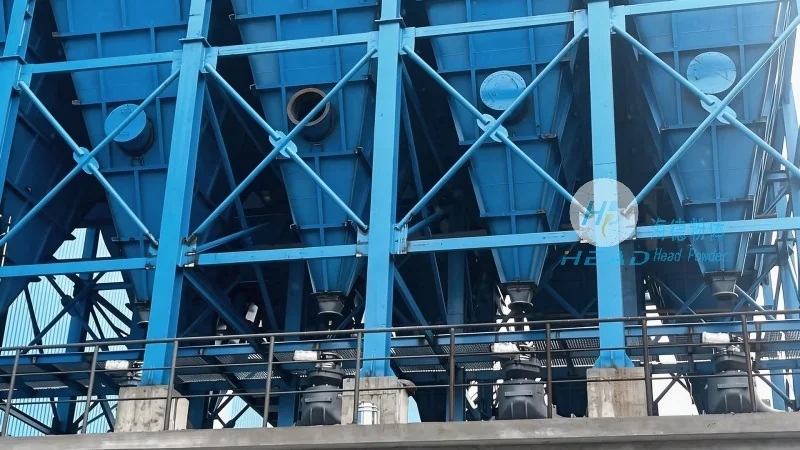
Introduction to Ceramic Material Handling Systems
In the ceramics industry, handling ceramic materials requires specialized equipment due to their unique properties, such as high temperature resistance, abrasive nature, and sensitivity to contamination. A well-designed ceramic material handling system addresses these challenges by providing solutions tailored to the specific characteristics of ceramic materials. The system typically includes components like feeders, conveyors, storage silos, and control systems, all working in tandem to optimize material flow and minimize downtime.
Key Components of a Ceramic Material Handling System
The core components of a ceramic material handling system are engineered to handle the specific demands of ceramic materials. These components include:
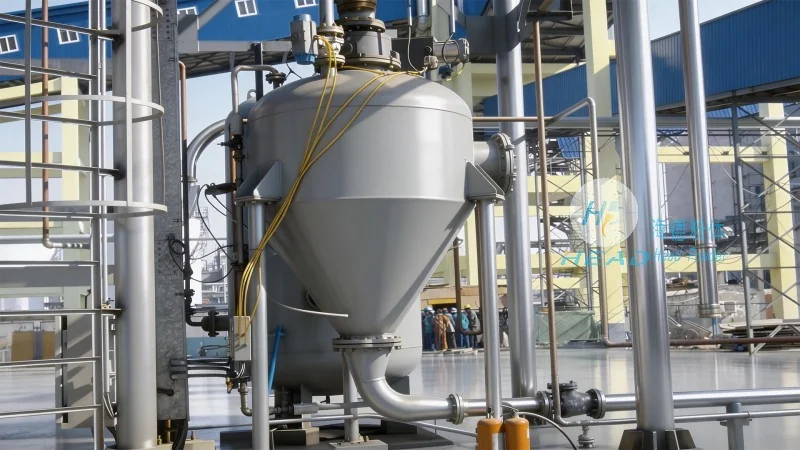
- Feeding Equipment: Devices like rotary valves or screw feeders are used to control the flow of ceramic powders or granules from storage silos to processing equipment. These feeders ensure consistent material delivery and prevent material buildup or spillage.
- Conveying Systems: Conveyors, such as pneumatic or mechanical systems, transport ceramic materials horizontally or vertically. Pneumatic conveying systems use air pressure to move materials, which is ideal for handling fine powders and minimizing dust exposure. Mechanical conveyors, like belt or chain conveyors, are suitable for bulkier ceramic pieces.
- Storage Silos: Large storage silos are used to store bulk ceramic materials, providing a stable and controlled environment. These silos are designed to prevent material degradation and ensure consistent material supply to the production line.
- Control Systems: Advanced control systems monitor and regulate the operation of the entire material handling process. These systems use sensors and automation to adjust feed rates, conveyor speeds, and other parameters based on real-time production needs, enhancing system efficiency and reducing human error.
Design Principles for Ceramic Material Handling Systems
The design of a ceramic material handling system follows several key principles to ensure optimal performance and longevity. These principles include:
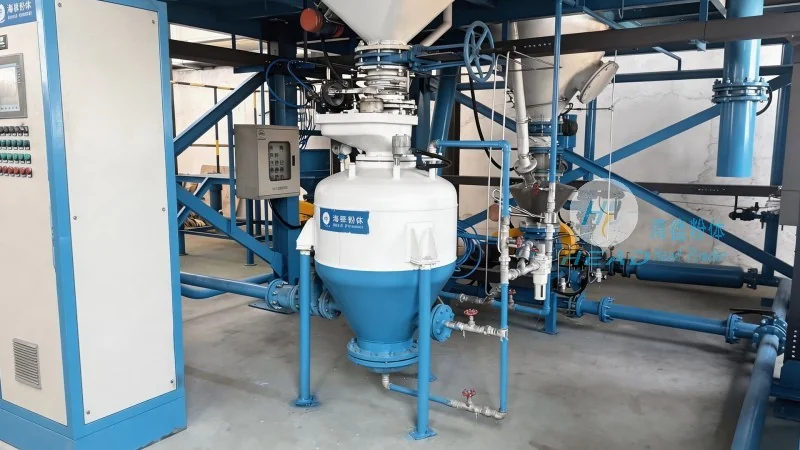
- Material Compatibility: All components of the system must be compatible with ceramic materials to prevent contamination and wear. Materials like stainless steel, special alloys, or non-reactive plastics are commonly used for parts that come into direct contact with ceramic materials.
- Minimizing Dust and Contamination: Ceramic materials are often fine and can generate dust, which poses health and safety risks. The design incorporates dust collection systems and sealed components to contain dust and maintain a clean working environment.
- Preventing Material Buildup and Clogging: Ceramic powders can be prone to clogging in pipes and equipment. The system is designed with features like self-cleaning mechanisms and adjustable feed rates to prevent blockages and ensure smooth operation.
- Energy Efficiency: Modern ceramic material handling systems are designed to be energy-efficient, using advanced control systems and optimized conveyor speeds to reduce energy consumption while maintaining performance.
- Scalability and Flexibility: The system is designed to be scalable, allowing for future expansion or adaptation to changing production needs. Modular components enable easy integration of new equipment or changes to the material handling process.
Application and Benefits of Ceramic Material Handling Systems
Ceramic material handling systems are widely used in various applications within the ceramics industry, including manufacturing of ceramic tiles, porcelain, sanitaryware, and industrial ceramics. The benefits of implementing such a system include improved production efficiency, reduced labor costs, enhanced product quality, and increased safety in the workplace. By ensuring consistent material flow and minimizing downtime, these systems contribute to the overall success of ceramic manufacturing operations.
About Shandong HeadPowder Engineering Co., Ltd.
Shandong HeadPowder Engineering Co., Ltd. is a leading provider of specialized material handling solutions for the ceramics industry. With a focus on innovation and quality, the company designs and manufactures ceramic material handling systems tailored to the unique needs of its clients. HeadPowder's systems are engineered to meet the highest standards of performance, reliability, and safety, ensuring that ceramic materials are handled efficiently and effectively. The company is committed to delivering solutions that enhance productivity and support the growth of the ceramics industry.