

What is an Aggregate Powder Conveying System Equipment? And What Are Its Design Principles?
For professionals in the construction and material handling industries, understanding the technology behind aggregate powder conveying systems is crucial. These systems are essential for efficiently transporting bulk materials like aggregates and powders, which are fundamental components in construction projects. This article will explore what an aggregate powder conveying system equipment is and delve into its core design principles, providing a comprehensive overview for industry stakeholders.
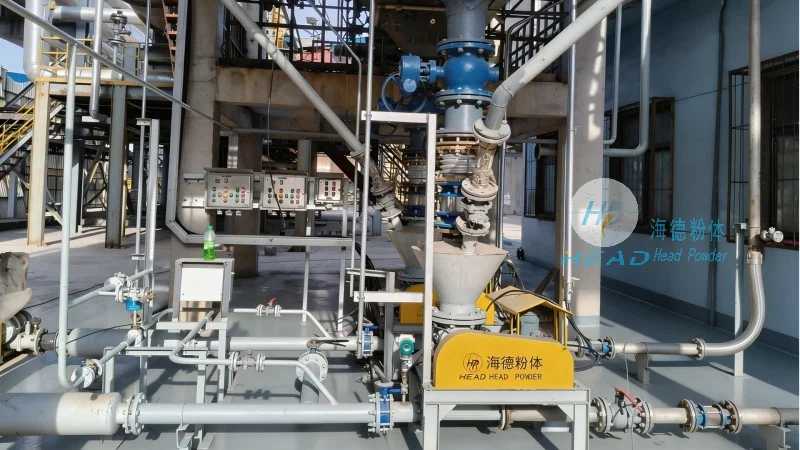
Understanding Aggregate Powder Conveying Systems
An aggregate powder conveying system equipment is a specialized piece of machinery designed to transport bulk materials such as aggregates, cement, and other fine powders from one location to another within industrial or construction settings. The primary goal of these systems is to ensure efficient, reliable, and safe material movement, which is critical for maintaining productivity and operational efficiency in various applications. These systems are commonly used in concrete production, mining, and material processing industries, where the handling of large volumes of bulk materials is a daily operation.
Key Components of Aggregate Powder Conveying Systems
At the heart of an aggregate powder conveying system equipment are several key components that work in tandem to facilitate material transport. These components include feed hoppers, conveyors (such as belt conveyors or pneumatic conveyors), control systems, and discharge mechanisms. Feed hoppers are used to store and feed the bulk material into the system, ensuring a consistent flow. Conveyors, which can be mechanical or pneumatic, are responsible for moving the material through the system. Control systems manage the operation of the entire system, allowing for adjustments based on operational needs. Discharge mechanisms then deliver the material to its final destination, such as a storage silo or processing unit.
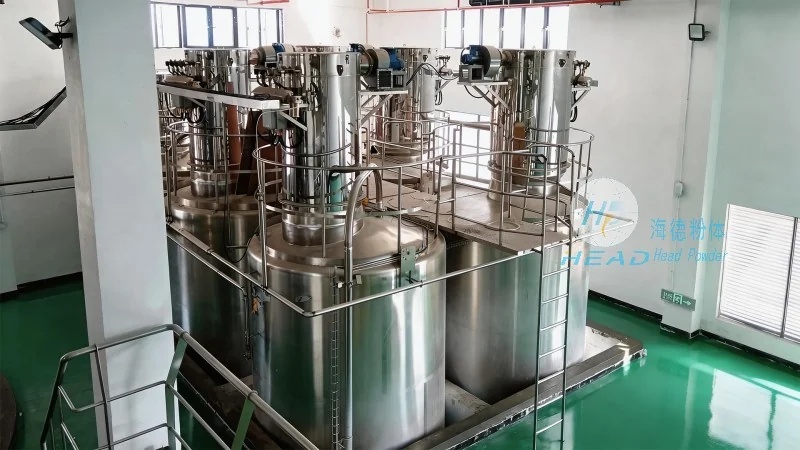
Design Principles of Aggregate Powder Conveying Systems
The design principles of aggregate powder conveying systems are centered on optimizing efficiency, reliability, and safety. One of the primary design considerations is the material's properties, including its particle size, density, and flow characteristics. These factors influence the choice of conveyor type and system configuration. For example, cohesive or fine powders may require pneumatic conveying systems, while larger aggregates might be better suited for mechanical conveyors. Another critical design principle is the system's capacity and throughput, which must align with the operational demands of the application. Engineers must consider factors like the required flow rate, the distance to be covered, and the vertical or horizontal elevation changes to ensure the system can handle the intended volume of material.
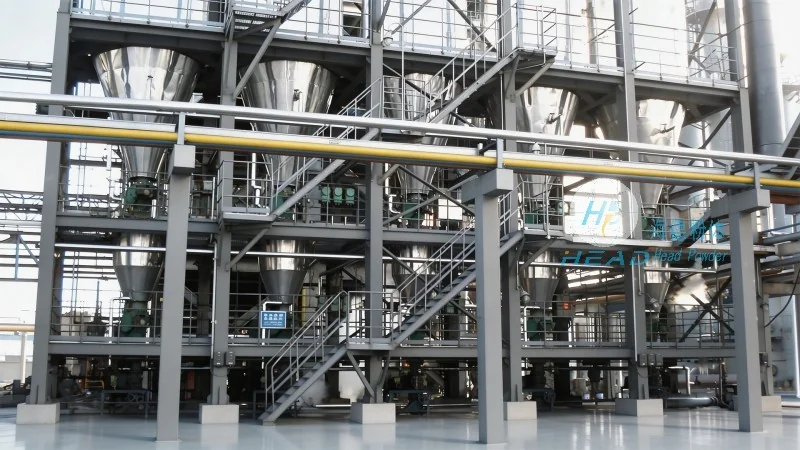
Material Handling Efficiency and Reliability
Efficiency and reliability are paramount in aggregate powder conveying systems. The design must minimize material loss, prevent blockages, and ensure consistent flow rates. This is achieved through careful consideration of the system's components and their integration. For instance, proper sealing and maintenance of the conveyor system are essential to prevent material spillage and ensure smooth operation. Additionally, the control system plays a vital role in monitoring and adjusting the system's performance in real-time, allowing for quick responses to any issues that may arise. By adhering to these design principles, aggregate powder conveying systems can operate with high efficiency and minimal downtime, which is crucial for maintaining productivity in construction and material processing industries.
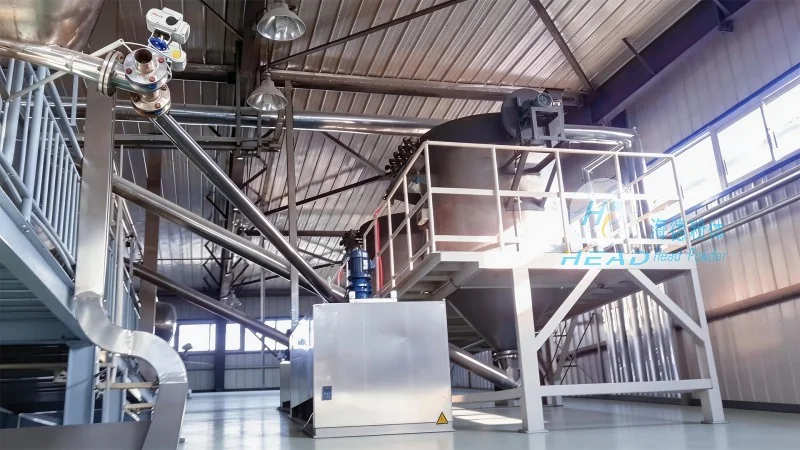
Application in Construction and Material Processing
Aggregate powder conveying systems are widely used in various applications within the construction and material processing sectors. In concrete production, these systems are essential for transporting aggregates and cement to the mixing plant, ensuring a steady supply of materials for concrete batches. In mining operations, they are used to transport ore and other minerals from processing facilities to storage or transport vehicles. The versatility of these systems makes them suitable for a wide range of bulk material handling needs, from small-scale projects to large industrial operations. By providing a reliable and efficient means of material transport, aggregate powder conveying systems contribute significantly to the overall productivity and success of these industries.
Conclusion and Company Overview
In conclusion, aggregate powder conveying systems are sophisticated equipment designed to efficiently transport bulk materials like aggregates and powders. Their design principles focus on optimizing efficiency, reliability, and safety, taking into account the material's properties and operational requirements. These systems are integral to the construction and material processing industries, enabling smooth and consistent material handling. As a leading provider in this field, Shandong HeadPowder Engineering Co., Ltd. specializes in the design, manufacturing, and implementation of such systems, leveraging years of industry experience to deliver high-quality solutions tailored to the specific needs of their clients. With a commitment to innovation and quality, HeadPowder continues to be a trusted partner for businesses seeking reliable aggregate powder conveying systems.