

What is a Mill Powder Bulk Conveyor? And What Are Its Design Principles?
Mill powder bulk conveyors are specialized equipment designed to transport bulk materials like flour, cornmeal, and other fine powders in industrial settings. These systems are crucial for efficient material handling in sectors such as food processing, pharmaceuticals, and chemical manufacturing. Understanding their functionality and design principles is essential for optimizing production processes and ensuring safety and reliability.
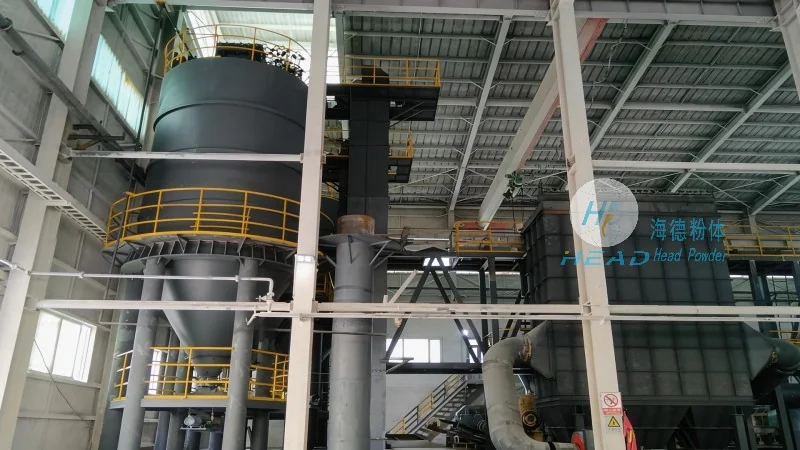
Introduction to Mill Powder Bulk Conveyors
Mill powder bulk conveyors, also known as pneumatic or mechanical conveyors, are systems engineered to move dry, fine powders from one location to another within a facility. Unlike traditional belt conveyors, which are better suited for larger, bulkier materials, these conveyors are specifically tailored to handle the unique challenges of transporting powders, including dust control, material segregation, and consistent flow rates. The primary goal of such equipment is to ensure that powders are transported efficiently, safely, and without degradation, which is critical in industries where product quality and purity are paramount.
About HeadPowder: A Leading Manufacturer in Bulk Material Handling
HeadPowder, a prominent player in the bulk material handling industry, specializes in the design, manufacturing, and supply of advanced mill powder bulk conveyors. With headquarters in Shandong, China, HeadPowder Engineering Co., Ltd. has built a reputation for delivering high-quality, reliable equipment tailored to the specific needs of its clients. The company’s commitment to innovation and customer satisfaction has made it a trusted partner for businesses seeking efficient and safe powder handling solutions. HeadPowder’s products are engineered to meet stringent industry standards, ensuring durability, low maintenance, and optimal performance in demanding environments.
Design Principles of Mill Powder Bulk Conveyors
The design of a mill powder bulk conveyor involves several key principles aimed at addressing the unique properties of powders. One of the most critical aspects is the use of appropriate materials for the conveyor components to prevent material buildup and contamination. For instance, stainless steel or food-grade materials are often used for components that come into direct contact with powders, ensuring hygiene and compliance with industry regulations. The system also incorporates features to control dust and prevent material loss, such as sealed housing and filtration systems.
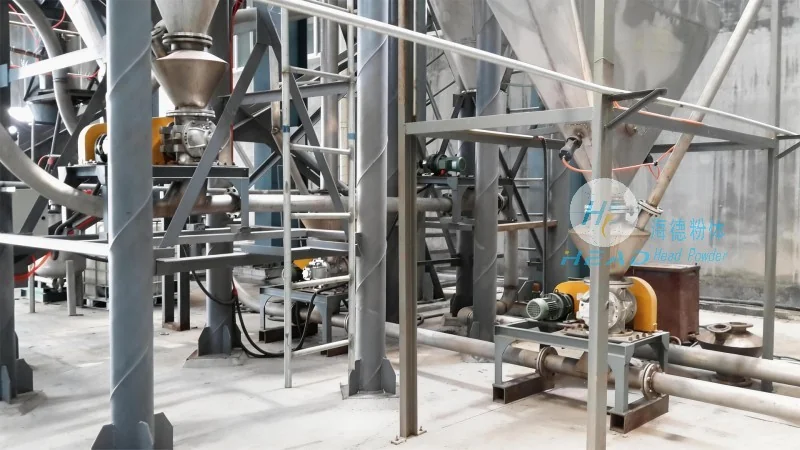
Another key design principle is the selection of the right conveying method. Pneumatic conveyors use air pressure to move powders through a pipeline, while mechanical conveyors rely on screw or belt mechanisms. The choice between these methods depends on factors like the material's properties, the distance to be covered, and the required flow rate. For fine powders, pneumatic systems are often preferred due to their ability to handle high volumes and maintain consistent flow without the need for mechanical parts that could cause blockages or wear.
Efficient design also considers the layout and integration of the conveyor system with other equipment. Proper placement of inlets and outlets, along with the use of appropriate fittings and valves, ensures smooth material transfer and minimizes downtime. Additionally, the system is designed to handle variations in material density and flow characteristics, allowing for flexible operation and adaptability to changing production needs.
Key Components and Their Functions
A typical mill powder bulk conveyor consists of several key components, each playing a vital role in the overall operation. The main components include the hopper, which serves as the storage and feeding unit, the conveyor line (either pneumatic or mechanical), and the discharge unit. The hopper is designed to hold the powder and provide a controlled flow into the conveyor system, preventing material spillage and ensuring consistent feeding. The conveyor line transports the powder from the hopper to the discharge point, using either air pressure or mechanical force to move the material through the pipeline.
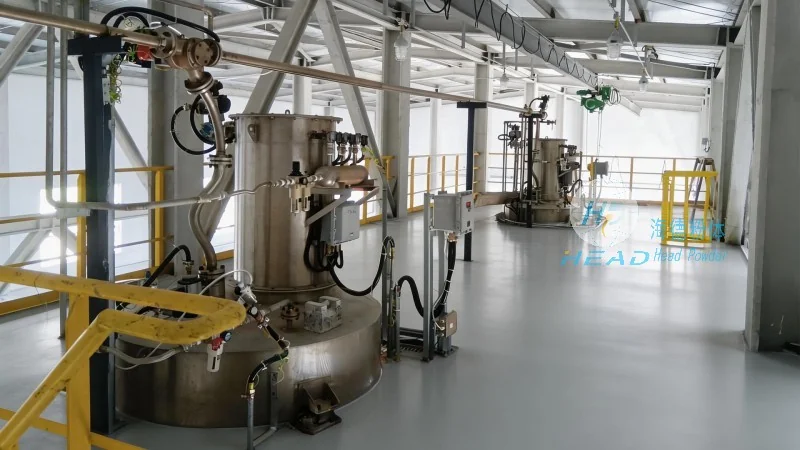
The discharge unit, often equipped with a valve or gate, controls the release of the powder into the next stage of the process, such as a mixer or packaging machine. This component is critical for maintaining the flow rate and preventing overfilling or underfilling. Additionally, the system may include accessories like filters, silencers, and pressure regulators to ensure optimal performance and safety. Filters are used to remove dust and debris from the air, while silencers reduce noise levels, making the operation more environmentally friendly and user-friendly.
Advantages of Using Mill Powder Bulk Conveyors
Implementing a mill powder bulk conveyor offers numerous advantages for industrial operations. One of the most significant benefits is the ability to handle fine powders efficiently and safely, reducing the risk of dust explosions and material loss. Unlike traditional methods, such as manual handling or bucket elevators, these systems provide a continuous and controlled flow, minimizing the need for manual intervention and improving overall productivity. The sealed design of the conveyor also helps maintain the purity of the powder, which is essential in industries like food and pharmaceuticals where contamination can have severe consequences.
Another advantage is the flexibility and adaptability of the system. Mill powder bulk conveyors can be customized to meet specific production requirements, including varying flow rates, material types, and distances. This flexibility allows businesses to scale their operations as needed without significant changes to the conveyor system. Additionally, the low maintenance requirements of modern conveyors reduce operational costs and downtime, making them a cost-effective solution for long-term use.
Furthermore, the use of advanced materials and design in mill powder bulk conveyors ensures durability and longevity. The equipment is built to withstand the harsh conditions of industrial environments, including high temperatures, humidity, and abrasive materials. This durability reduces the need for frequent repairs and replacements, contributing to lower overall maintenance costs and increased operational efficiency.
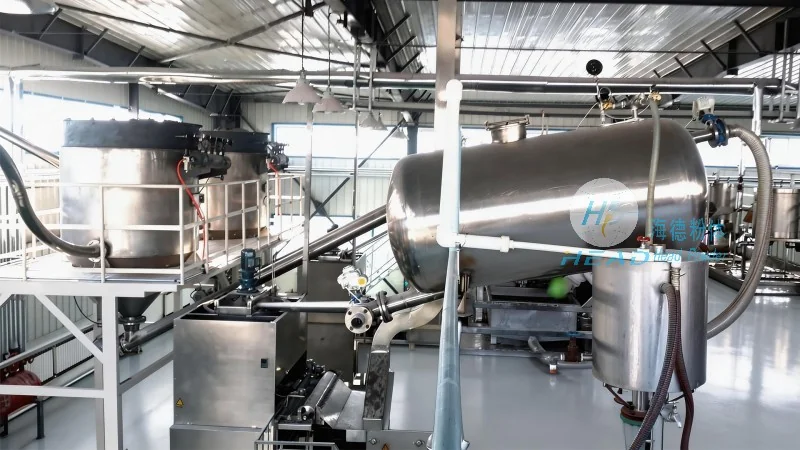
Applications in Various Industries
Mill powder bulk conveyors find applications in a wide range of industries, each benefiting from the efficient handling of fine powders. In the food industry, these systems are used to transport flour, sugar, and other ingredients in bakeries and food processing plants. The ability to maintain hygiene and prevent contamination is crucial in this sector, and mill powder conveyors provide the necessary solution. Similarly, in the pharmaceutical industry, these conveyors are used to handle active pharmaceutical ingredients (APIs) and other fine powders, ensuring that the products remain pure and free from contaminants.
In the chemical industry, mill powder bulk conveyors are employed to transport various chemical powders, such as fertilizers, pigments, and coatings. The systems are designed to handle the specific properties of these materials, including their reactivity and potential for dust explosions. By using appropriate materials and design features, the conveyors ensure safe and efficient handling of these chemicals. Additionally, in the agricultural sector, these systems are used to transport grain and other agricultural products, improving the efficiency of storage and processing operations.
Conclusion
Mill powder bulk conveyors are essential equipment for efficiently handling fine powders in various industrial applications. The design principles, components, and advantages of these systems make them a reliable and cost-effective solution for businesses seeking to optimize their material handling processes. With the expertise of manufacturers like HeadPowder Engineering Co., Ltd., companies can access high-quality conveyors that meet their specific needs, ensuring safe, efficient, and consistent operation. As industries continue to evolve, the importance of advanced powder handling systems will only grow, making mill powder bulk conveyors a critical component of modern industrial operations.