

What is a Dense Phase Powder Conveying System? What are the Design Principles?
Understanding the dense phase powder conveying system is crucial for industries that rely on efficient and reliable material handling. This article delves into the core components, operational principles, and design considerations of such systems, providing a comprehensive overview for professionals seeking to enhance their material transport processes.
Introduction to Dense Phase Powder Conveying Systems
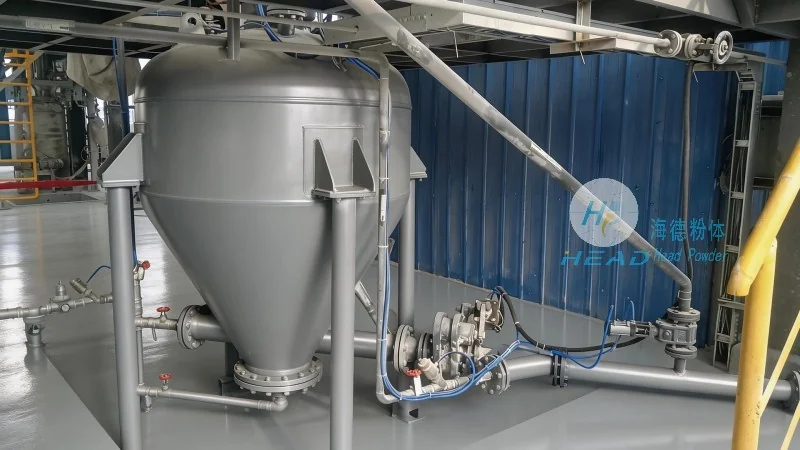
A dense phase powder conveying system is a specialized method for transporting bulk powders through pipelines under high pressure. Unlike traditional pneumatic conveying systems that operate in the dilute phase, dense phase systems maintain a higher solid-to-gas ratio, resulting in more efficient and gentle material handling. This approach minimizes particle degradation, reduces wear on equipment, and improves overall system efficiency.
Key Components of a Dense Phase Powder Conveying System
The design of a dense phase powder conveying system involves several critical components that work in tandem to ensure smooth operation. These include the following:
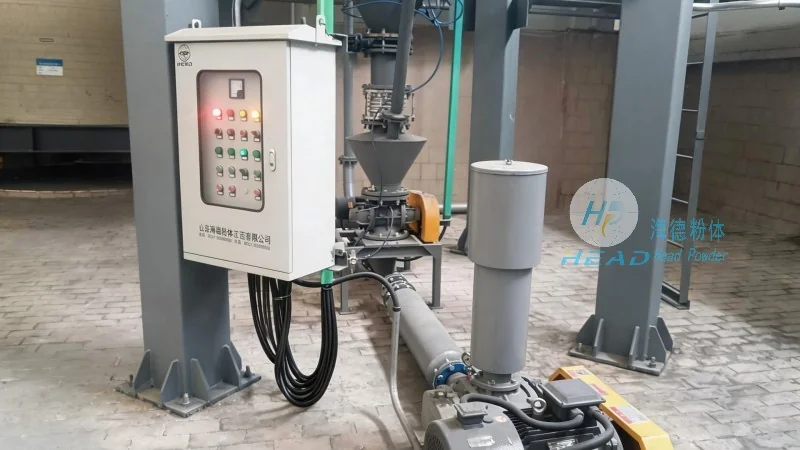
- Pneumatic Conveying Pipeline: The main channel through which the powder is transported. Typically made of stainless steel or other corrosion-resistant materials to withstand the high pressures and abrasive nature of the material.
- Compressor or Blower: Provides the necessary air pressure to move the powder through the pipeline. The choice of compressor type (e.g., rotary lobe, screw, or positive displacement) depends on the specific application and material characteristics.
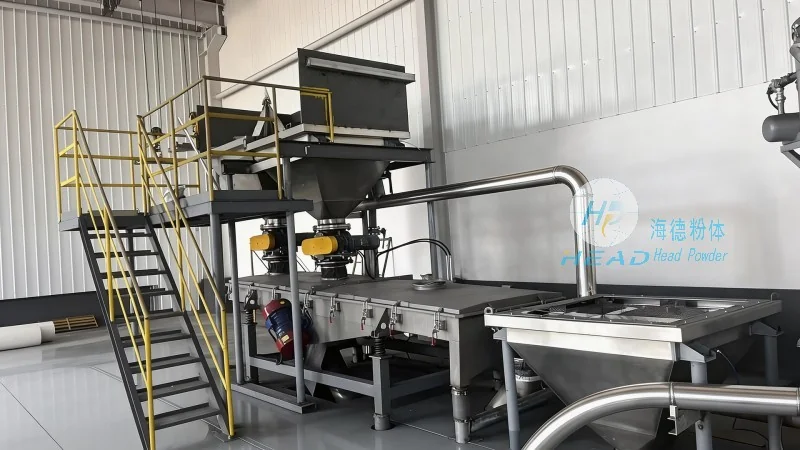
- Feeder or Metering Device: Ensures a consistent and controlled flow of powder into the system. This component is vital for maintaining system stability and preventing blockages.
- Control Valves and Regulators: Used to regulate pressure, flow rate, and direction within the system. These components help in optimizing the conveying process and adapting to varying material loads.
- Receiver or Discharge Unit: The endpoint where the powder is deposited. This unit may include filters or cyclones to separate any entrained air from the material.
Design Principles for Efficient Operation
The design principles of a dense phase powder conveying system are centered around achieving optimal performance while minimizing operational costs and equipment wear. Key design considerations include:
1. Pressure Management: Maintaining an appropriate pressure level is essential. Too low a pressure may result in insufficient material movement, while too high a pressure can cause excessive wear on components and increase energy consumption. The system design must balance these factors to achieve the desired conveying velocity.
2. Particle Size and Flowability: The characteristics of the powder, such as particle size distribution and flowability, directly impact the system's performance. Coarser particles may require higher pressure to achieve the same conveying rate as finer particles. Properly analyzing the material's properties before system design is crucial.
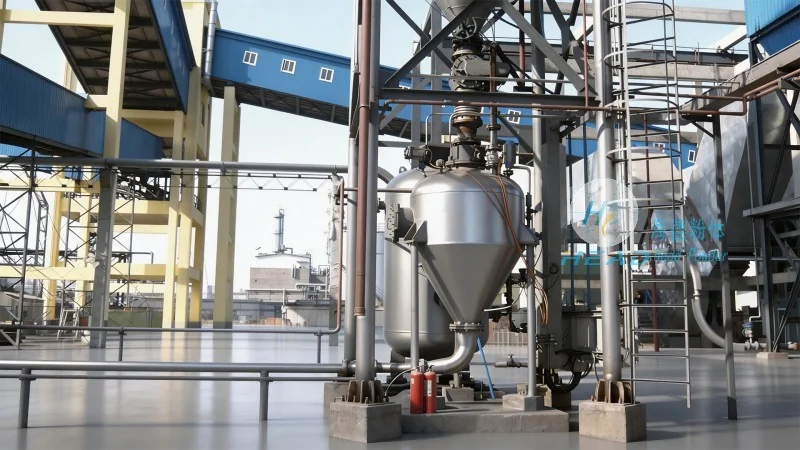
3. Pipeline Sizing and Layout: The diameter and length of the conveying pipeline, along with the layout (e.g., vertical, horizontal, or a combination), affect the system's efficiency. Proper sizing ensures that the pressure drop is within acceptable limits, preventing energy waste and maintaining system stability.
4. Material Compatibility: The selection of materials for the pipeline, valves, and other components must be compatible with the conveyed powder. This includes considering factors like chemical resistance, temperature tolerance, and wear resistance to ensure long-term system reliability.
Applications and Benefits of Dense Phase Powder Conveying
Dense phase powder conveying systems are widely used across various industries due to their ability to handle a broad range of materials efficiently. Some common applications include:
- Pharmaceuticals: Transporting active pharmaceutical ingredients (APIs) and other powders with high purity requirements.
- Food and Beverage: Handling powders like sugar, flour, and cocoa, where product quality and contamination control are critical.
- Chemical Manufacturing: Conveying raw materials and intermediates in chemical processes, often requiring high pressure and specialized materials.
- Mineral Processing: Transporting minerals and ores, where abrasive and heavy materials are common.
The benefits of using a dense phase powder conveying system include improved product quality, reduced equipment wear, lower energy consumption compared to traditional systems, and enhanced safety due to the enclosed system design.
Conclusion
Understanding the design principles and components of a dense phase powder conveying system is essential for optimizing material handling processes in various industries. By carefully considering factors such as pressure management, material properties, and system layout, manufacturers can achieve efficient, reliable, and cost-effective powder transport solutions. Companies like Shandong HeadPowder Engineering Co., Ltd. specialize in providing tailored dense phase powder conveying systems that meet the specific needs of their clients, ensuring optimal performance and long-term operational success.