

What is a Resin Pneumatic Conveying Line? Exploring Its Design Principles
Resin pneumatic conveying lines are specialized industrial systems engineered to transport resin materials through a network of pipes using compressed air or other gas streams. These systems are widely utilized in the chemical, plastics, and manufacturing sectors due to their efficiency in handling bulk resin powders or granules. The technology offers a non-contact, low-maintenance method for material transfer, reducing the risk of contamination and wear compared to traditional mechanical conveyors.
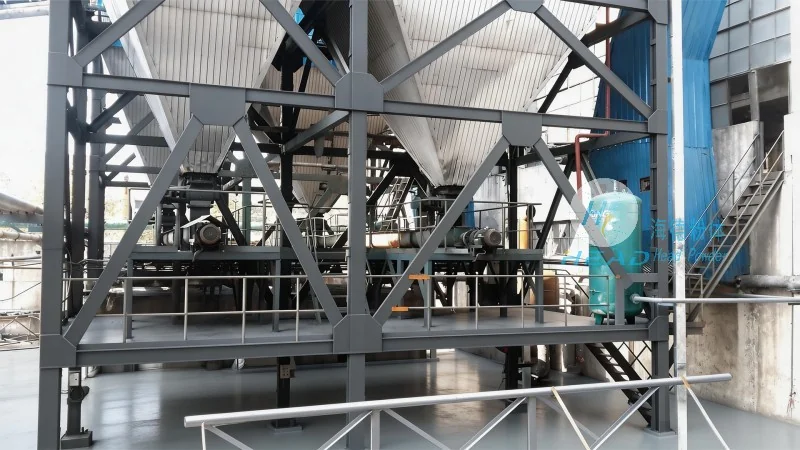
Understanding the Core Function of Resin Pneumatic Conveying Systems
At its core, a resin pneumatic conveying system operates by generating a flow of air or gas within a closed pipeline. The resin material is then introduced into the system, where it is entrained by the moving air stream and carried to the destination point. This process eliminates the need for physical contact between the resin and the conveyor components, which is particularly advantageous for materials sensitive to moisture, temperature, or contamination. The system's ability to handle fine powders or irregularly shaped granules makes it a preferred choice for resin processing applications.
Key Design Principles Behind Resin Pneumatic Conveying Lines
The design of a resin pneumatic conveying line is governed by several critical principles that ensure optimal performance and reliability. These include:
- **Air Velocity and Pressure Management**: Maintaining appropriate air velocity and pressure levels is essential to prevent material deposition or blockages in the pipeline. The design must account for the specific properties of the resin, such as particle size, density, and flow characteristics.
- **System Sizing and Capacity**: Proper sizing of the pipeline diameter, length, and air flow rate is crucial to achieve the desired conveying capacity without excessive energy consumption. Engineers typically use empirical formulas or computational fluid dynamics (CFD) simulations to determine the optimal system dimensions.
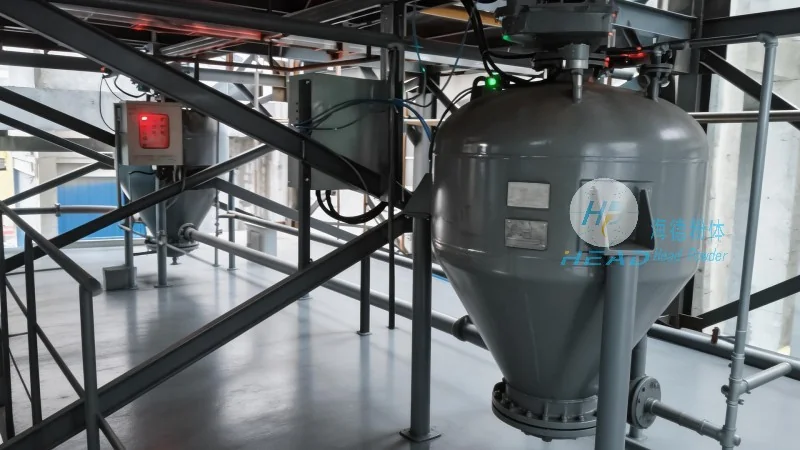
- **Material Handling Considerations**: The system must be designed to accommodate the resin's physical properties, including its tendency to agglomerate or clog. Features like in-line mixers, cyclone separators, and pulse-jet cleaning mechanisms are often integrated to maintain system efficiency.
- **Safety and Environmental Compliance**: Modern resin pneumatic conveying systems incorporate safety features such as pressure relief valves, explosion-proof designs, and dust collection systems to comply with industrial safety regulations and minimize environmental impact.
Components and Operational Mechanisms
A typical resin pneumatic conveying line consists of several key components that work in concert to facilitate material transfer:
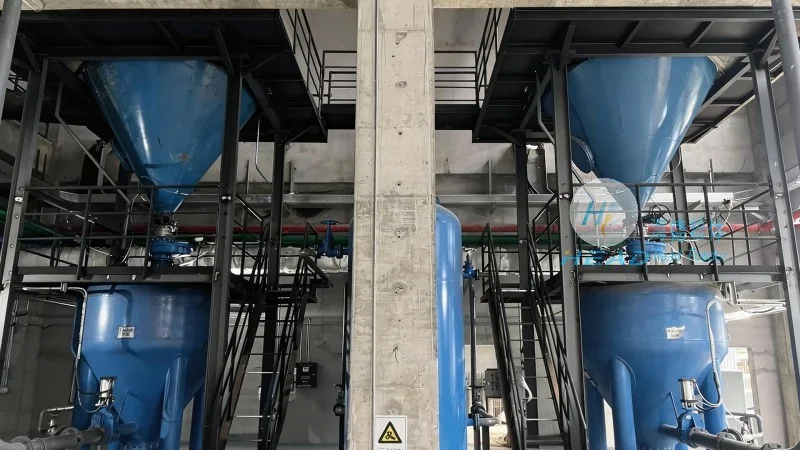
- **Feed Hopper**: The hopper stores the resin and feeds it into the system at a controlled rate. It may include a rotary valve or screw feeder to regulate the material flow.
- **Air Compressor and Blower**: These units generate the compressed air or gas required to move the resin through the pipeline. The choice of compressor type (e.g., rotary, reciprocating) depends on the system's pressure and flow requirements.
- **Conveying Pipeline**: The pipeline network, usually made of stainless steel or other corrosion-resistant materials, transports the resin. The pipe diameter and length are critical to the system's performance.
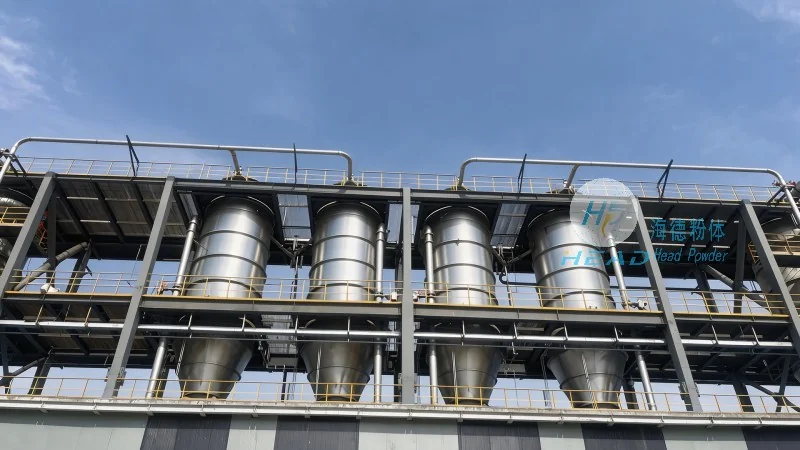
- **Separation and Collection Equipment**: Cyclone separators or bag filters are used to separate the resin from the air stream at the receiving end. The collected resin is then discharged into a storage bin or processing unit.
- **Control System**: A control panel monitors and regulates the system's operation, including air pressure, material flow, and safety parameters. This ensures consistent performance and prevents operational issues.
Application Considerations and Industry Relevance
Resin pneumatic conveying lines are widely used in various industries where resin handling is critical. For example, in the plastics industry, these systems are employed to transport resin pellets from storage silos to extrusion or molding machines. In the chemical industry, they facilitate the transfer of resin powders used in coating or composite manufacturing. The ability to handle large volumes of resin efficiently and with minimal downtime makes the system indispensable for high-throughput production lines.
About Shandong HeadPowder Engineering Co., Ltd.
Shandong HeadPowder Engineering Co., Ltd. is a leading manufacturer and supplier of resin pneumatic conveying systems based in China. With a strong focus on innovation and quality, the company designs and manufactures customized solutions tailored to the specific needs of its clients. HeadPowder's expertise in material handling technology ensures that their systems are reliable, efficient, and compliant with international standards. The company's facilities in Shandong, China, are equipped with advanced manufacturing capabilities and rigorous quality control processes to deliver products that meet the highest industry expectations.