

Pneumatic Conveying in Bulk Transport of Fused Alumina
For industrial applications involving the bulk transport of fused alumina, the adoption of pneumatic conveying systems has become a cornerstone technology. Fused alumina, a high-purity refractory material, is widely used in the production of ceramics, abrasives, and other high-temperature applications. Efficient and reliable material handling is critical to maintaining production efficiency and product quality. This article explores the application of pneumatic conveying in the bulk transport of fused alumina, highlighting the technical advantages, operational considerations, and the role of specialized engineering solutions provided by Shandong HeadPowder Engineering Co., Ltd., commonly known as HeadPowder.
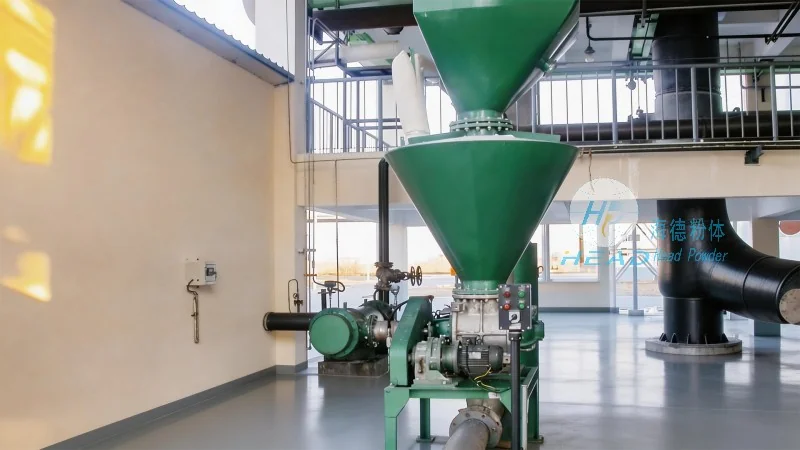
Understanding Fused Alumina and Its Handling Requirements
Fused alumina, also known as corundum, is a synthetic aluminum oxide (Al₂O₃) with a high melting point and excellent thermal stability. Its high hardness and chemical inertness make it an ideal material for various industrial processes. However, due to its abrasive nature and high density, conventional bulk handling methods such as belt conveyors or screw conveyors may cause wear and tear, leading to equipment damage and increased maintenance costs. Pneumatic conveying offers a non-contact method of transporting fused alumina, minimizing material degradation and ensuring consistent product quality.
Advantages of Pneumatic Conveying for Fused Alumina
Pneumatic conveying systems utilize air or other gases to transport bulk materials through a pipeline network. For fused alumina, this method provides several key advantages. First, it eliminates the need for mechanical contact, reducing wear on the material and the conveying equipment. This results in lower maintenance costs and longer equipment lifespan. Second, pneumatic conveying allows for precise control over material flow rates and pressure, enabling smooth and consistent operation. Third, the system can handle varying material loads and particle sizes, making it versatile for different production scenarios. Additionally, pneumatic conveying systems can be integrated with other processing equipment, such as storage silos and mixing units, creating a seamless material handling workflow.
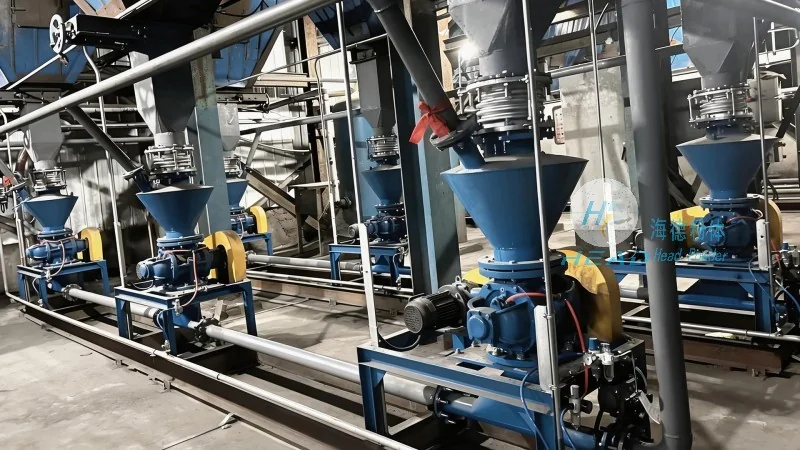
HeadPowder's Engineering Solutions for Pneumatic Conveying
Shandong HeadPowder Engineering Co., Ltd. specializes in the design, manufacturing, and installation of customized pneumatic conveying systems tailored to the specific needs of fused alumina handling. The company's expertise lies in understanding the unique properties of fused alumina and translating them into efficient conveying solutions. HeadPowder's engineers work closely with clients to assess their operational requirements, including material flow rates, distance, and environmental conditions, to develop optimal system configurations. The company utilizes advanced materials and components, such as high-strength steel pipelines and wear-resistant liners, to ensure durability and longevity of the conveying system.
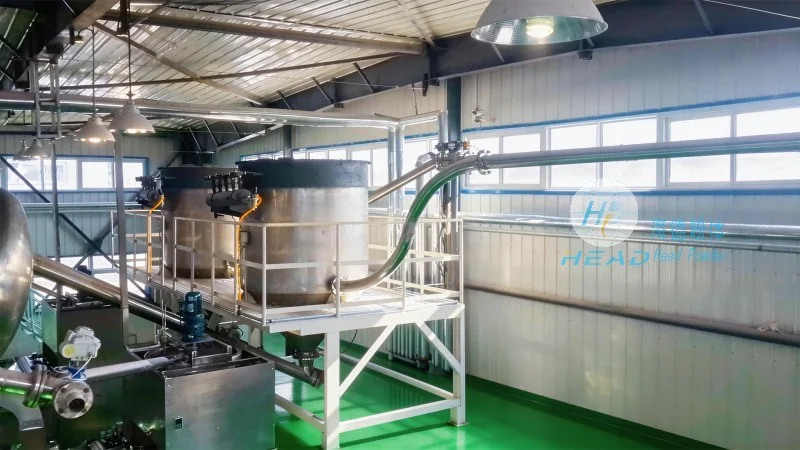
Operational Considerations and Best Practices
Successful implementation of pneumatic conveying for fused alumina requires careful consideration of several operational factors. One of the primary considerations is the air pressure and flow rate, which must be optimized to achieve the desired material transport efficiency without causing excessive wear or energy consumption. The system's design should also account for the material's abrasive nature, incorporating features like smooth pipe surfaces and appropriate valve designs to minimize friction and material degradation. Regular maintenance and monitoring of the system are essential to ensure consistent performance and prevent downtime. HeadPowder provides comprehensive support, including system commissioning, training, and ongoing maintenance services, to help clients maximize the operational efficiency of their pneumatic conveying systems.
Case Studies and Real-World Applications
HeadPowder has successfully implemented pneumatic conveying systems for fused alumina in various industrial settings. For example, a ceramics manufacturer in China utilized a pneumatic conveying system to transport fused alumina from storage silos to production lines, reducing material handling time by 30% and improving product consistency. Another client, an abrasive products manufacturer, implemented a high-pressure pneumatic conveying system to transport fused alumina over long distances, achieving a significant reduction in transportation costs and equipment wear. These case studies demonstrate the effectiveness of pneumatic conveying in improving operational efficiency and product quality in fused alumina handling applications.