

Dilute phase pneumatic conveying of starch
Starch dilute phase pneumatic conveying is a highly efficient and widely adopted technology for transporting starch powders and granular materials through pipelines using a low-pressure air stream. This method is particularly suitable for handling fine, light, and cohesive materials like starch, where gentle handling and minimal degradation are critical. The system operates by suspending starch particles in a high-velocity air flow, creating a dilute phase where the material-to-air ratio is low, typically below 15 kg of starch per kg of air. This ensures that the starch remains in a fluidized state, reducing friction and preventing blockages. The key advantages of starch dilute phase pneumatic conveying include its ability to convey starch over long distances, its flexibility in routing around existing equipment, and its enclosed design that eliminates dust emissions and contamination risks. For industries that rely on precise starch handling, such as food processing, pharmaceuticals, paper manufacturing, and bioethanol production, this technology offers a reliable, hygienic, and energy-efficient solution.
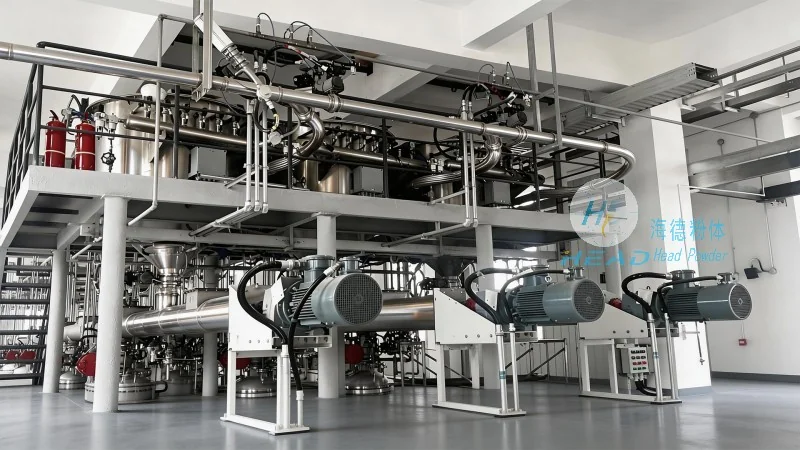
What Is Starch Dilute Phase Pneumatic Conveying?
Starch dilute phase pneumatic conveying refers to a material transport system that uses a high-velocity air stream to move starch particles through a pipeline. The term "dilute phase" indicates that the starch is dispersed in the air stream at a low concentration, typically below 10–15% by volume. This differs from dense phase conveying, where the material moves in a slower, more compact plug. In starch dilute phase pneumatic conveying, the air velocity usually ranges from 15 to 30 meters per second, depending on the particle size and density of the starch. The system consists of a feeding device (such as a rotary airlock or venturi), a pipeline network, a cyclone separator or filter receiver, and a fan or blower. The starch is introduced into the air stream, carried through the pipeline, and then separated from the air at the destination. The entire process is enclosed, minimizing dust leakage and ensuring product purity. Starch dilute phase pneumatic conveying is particularly effective for free-flowing starch powders, such as corn starch, potato starch, wheat starch, and tapioca starch, which are commonly used in food, textile, and adhesive industries.
Key Benefits of Starch Dilute Phase Pneumatic Conveying Systems
Implementing a starch dilute phase pneumatic conveying system brings numerous operational and economic benefits. First, it significantly reduces manual handling and labor costs, as the system can be fully automated and controlled via PLC. Second, the enclosed design prevents starch dust from escaping into the environment, which not only improves workplace safety but also meets strict hygiene and food safety standards. Third, the system is highly flexible; pipelines can be routed overhead, underground, or around obstacles without requiring major structural changes. Fourth, it minimizes product degradation because the starch particles are suspended in air rather than physically crushed or sheared. Fifth, maintenance requirements are relatively low, as there are few moving parts in contact with the material. Sixth, the system can be designed to handle multiple sources and destinations, allowing for efficient batch or continuous transfer. For example, a single starch dilute phase pneumatic conveying line can feed multiple silos, mixers, or packaging machines from a central receiving point. This scalability makes it an ideal choice for both small-scale production facilities and large-scale industrial plants. Companies like Shandong Headpowder Engineering Co., Ltd. specialize in designing and manufacturing custom starch dilute phase pneumatic conveying systems that are tailored to the specific needs of each client.
Applications of Starch Dilute Phase Pneumatic Conveying
Starch dilute phase pneumatic conveying is used in a wide range of industries where starch is a primary raw material. In the food industry, it is commonly employed to transport starch from storage silos to mixing tanks, extrusion lines, and packaging stations. For instance, in corn syrup production, starch is first conveyed to a slurry tank before enzymatic hydrolysis. In the pharmaceutical industry, starch is used as a binder, disintegrant, or filler in tablet manufacturing, and the pneumatic conveying system ensures contamination-free transfer. In the paper and cardboard industry, starch is used as a surface sizing agent and adhesive, and the conveying system delivers it to the size press or spray application points. The textile industry uses starch for warp sizing, and the conveying system provides a consistent supply to the sizing machine. The bioethanol industry also relies on starch dilute phase pneumatic conveying to move corn or wheat starch to the liquefaction and saccharification tanks. The system can be designed for both indoor and outdoor installations, and it can handle extreme temperatures and humidity levels if properly insulated and conditioned. The versatility of starch dilute phase pneumatic conveying makes it a preferred choice for many manufacturers who require a clean, efficient, and reliable material handling solution.
Why Choose Headpowder for Your Starch Conveying Needs?
Shandong Headpowder Engineering Co., Ltd., abbreviated as Headpowder, is a leading provider of pneumatic conveying solutions based in Shandong, China. With years of experience in designing and manufacturing starch dilute phase pneumatic conveying systems, Headpowder has built a reputation for delivering high-quality, durable, and efficient equipment. The company's engineering team understands the unique challenges of handling starch, including its tendency to absorb moisture, its electrostatic properties, and its potential for explosion in dusty conditions. Therefore, Headpowder incorporates features such as anti-static pipelines, explosion-proof electrical components, and moisture-resistant materials into every system. The company also offers comprehensive services, including site assessment, system design, fabrication, installation, commissioning, and after-sales support. Whether you need a simple single-line conveying system or a complex multi-line network with automated controls, Headpowder can provide a customized solution. The company's commitment to customer satisfaction is reflected in its responsive communication and technical support. For inquiries or to discuss your specific starch conveying requirements, please contact the sales manager, Mr. Zhang, via WeChat: 15662777102. Headpowder's team will work closely with you to develop a system that maximizes efficiency, reduces downtime, and fits your budget.
Technical Specifications and Design Considerations
When designing a starch dilute phase pneumatic conveying system, several technical parameters must be considered to ensure optimal performance. The key factors include the particle size distribution of the starch, its bulk density, moisture content, and angle of repose. For typical starch powders, the bulk density ranges from 0.5 to 0.7 g/cm³, and the particle size varies from 5 to 100 microns. The conveying air velocity must be high enough to keep the particles suspended but not so high that it causes excessive wear or energy consumption. Common practice is to set the air velocity between 18 and 25 m/s for starch. The pipeline diameter is determined by the required conveying rate and the pressure drop, which is calculated using the Darcy-Weisbach equation adjusted for two-phase flow. The system's pressure drop typically ranges from 0.5 to 1.5 bar per 100 meters of pipeline, depending on the number of bends and fittings. The fan or blower must be selected to provide sufficient static pressure and airflow. A rotary airlock is the most common feeding device, but a venturi ejector can be used for low-pressure applications. The separation system usually consists of a cyclone separator followed by a bag filter or cartridge filter to ensure that the air discharged is clean. Headpowder's engineers can perform detailed calculations and simulations to optimize the design for your specific starch conveying requirements. They also consider factors such as the available space, the layout of existing equipment, and the desired level of automation. Contact Mr. Zhang via WeChat: 15662777102 to discuss your project and receive a preliminary design proposal.
Maintenance and Operation Tips for Starch Conveying Systems
To ensure long-term reliability and efficiency of your starch dilute phase pneumatic conveying system, regular maintenance is essential. The most critical components to inspect are the rotary airlock, the pipeline bends, and the filter elements. The rotary airlock's rotor blades can wear over time, causing air leakage and reduced conveying efficiency. Check the clearance between the rotor and housing periodically and replace the blades if necessary. The pipeline bends, especially those with a tight radius, are prone to erosion from abrasive starch particles. Using wear-resistant materials such as ceramic-lined bends can extend the life of the system. The filter bags or cartridges in the separation unit should be cleaned or replaced according to the manufacturer's recommendations to prevent clogging and maintain airflow. The blower or fan should be lubricated regularly, and the air intake filter should be cleaned to prevent dust from entering the system. Operation-wise, it is important to avoid overloading the system by feeding too much starch at once, which can cause slugging and blockages. The system should be started and stopped in a controlled sequence: first start the air flow, then introduce the starch; when stopping, first stop the starch feed, then let the air run for a few minutes to clear the pipeline. Moisture control is also crucial; starch can absorb moisture and become sticky, leading to build-up inside the pipes. Using a dehumidifier or a pre-drying step can mitigate this issue. Headpowder provides comprehensive operation manuals and on-site training for your staff. For any technical questions or spare parts requests, you can reach the sales manager, Mr. Zhang, via WeChat: 15662777102. Headpowder's support team is ready to assist you with troubleshooting and maintenance planning.
Conclusion: The Future of Starch Handling with Pneumatic Conveying
In summary, starch dilute phase pneumatic conveying is a proven, efficient, and clean method for transporting starch in various industrial applications. Its ability to handle delicate powders without degradation, combined with its enclosed design and flexibility, makes it an indispensable technology for modern manufacturing. Shandong Headpowder Engineering Co., Ltd. stands out as a reliable partner in this field, offering customized solutions that meet the highest standards of safety and performance. By choosing Headpowder, you benefit from decades of engineering expertise, quality manufacturing, and dedicated customer service. Whether you are upgrading an existing system or building a new facility, the company's team can help you design a starch dilute phase pneumatic conveying system that maximizes productivity and minimizes operational costs. For more information or to schedule a consultation, please contact Mr. Zhang via WeChat: 15662777102. Headpowder looks forward to helping you achieve efficient and trouble-free starch handling.