Solutions
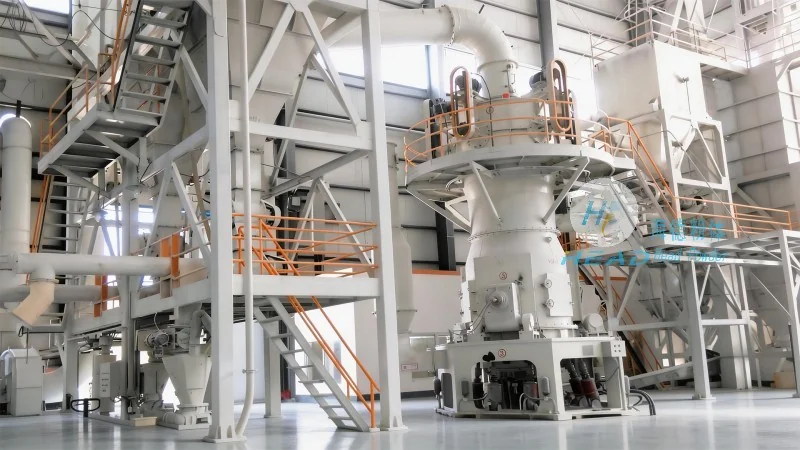
Product center covers full-range conveying systems, batching systems, host equipment and accessories.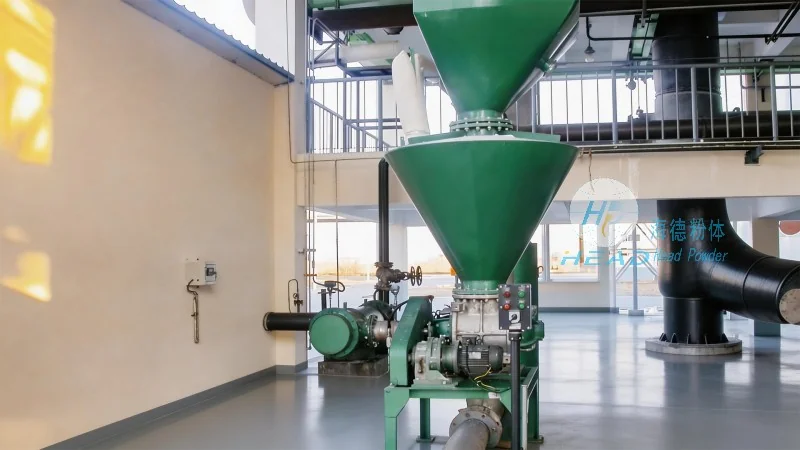
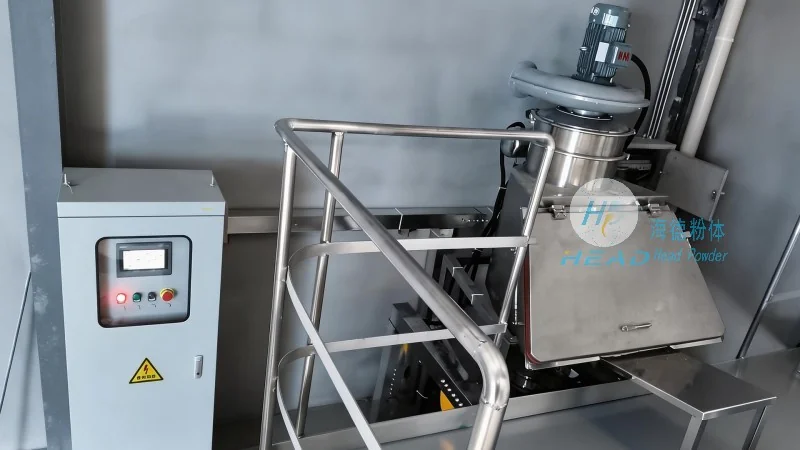
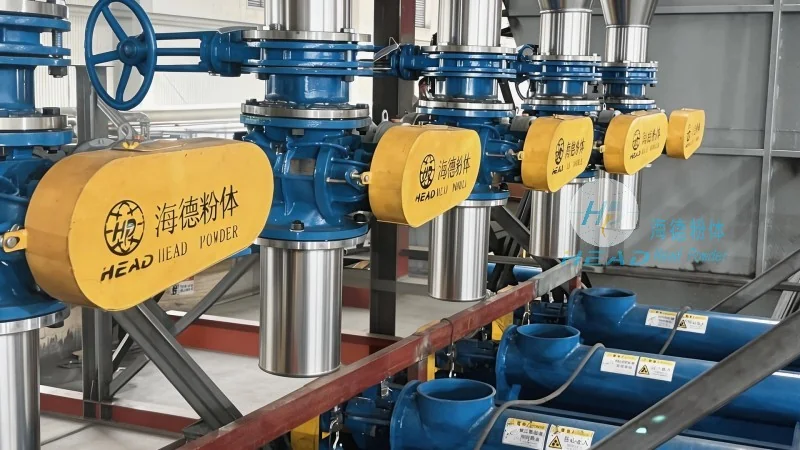
Many manufacturers face significant challenges when conveying PBAT pellets. These include frequent pipeline blockages due to the material's tacky nature, excessive dust generation that compromises workplace safety and product yield, and thermal degradation caused by friction heat during pneumatic transport. Additionally, the inherent brittleness of PBAT pellets leads to particle breakage, resulting in inconsistent pellet size and quality loss. Energy efficiency and system reliability are also common concerns, as traditional conveying methods often require high air consumption and frequent maintenance.
PBAT (polybutylene adipate-co-terephthalate) pellets are biodegradable thermoplastic granules with unique physical properties. They have a relatively low bulk density ranging from 0.6 to 0.8 g/cm³ and exhibit a low melting point around 110–120 °C. The pellets are hygroscopic and tend to absorb moisture from the air, which can affect downstream processing. Their surface is slightly sticky, especially under elevated temperatures, making them prone to agglomeration. The material is also susceptible to shear stress, with a moderate abrasiveness that can wear out standard conveying components over time.
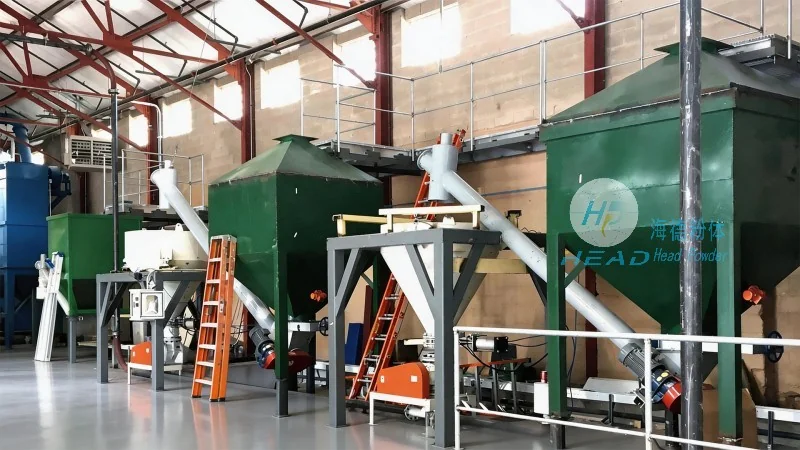
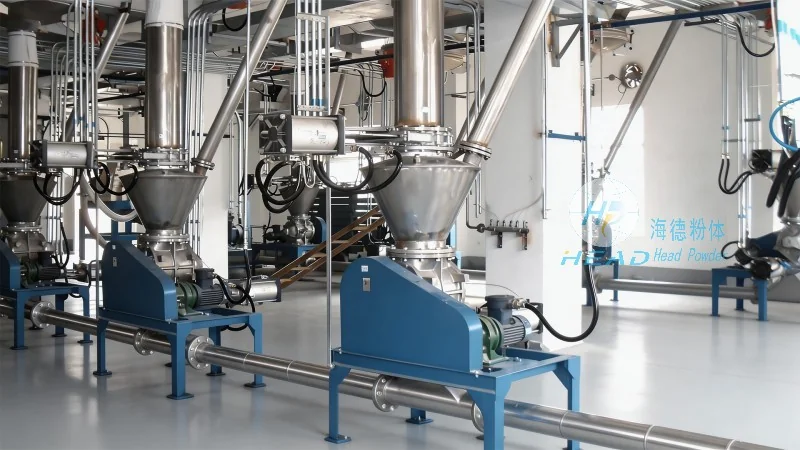
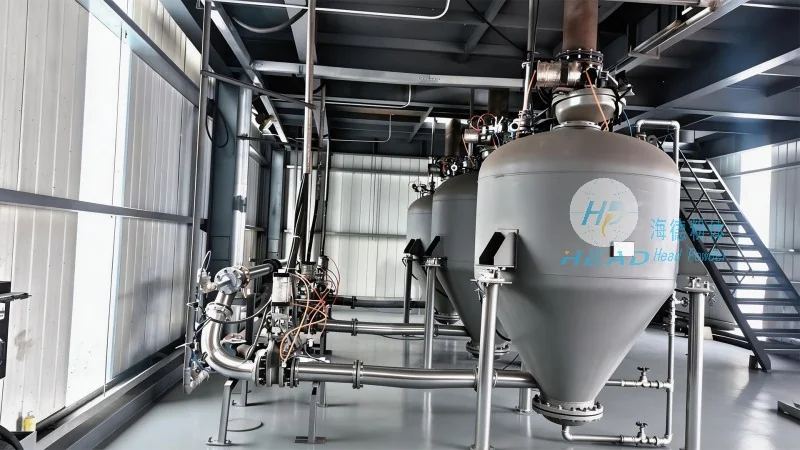
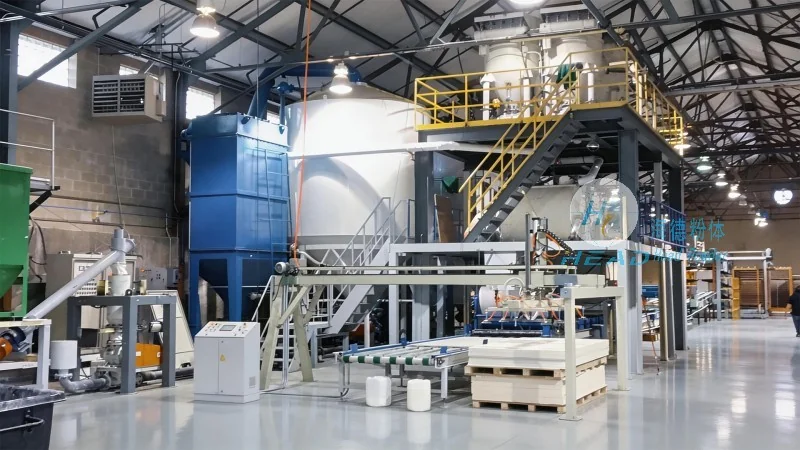
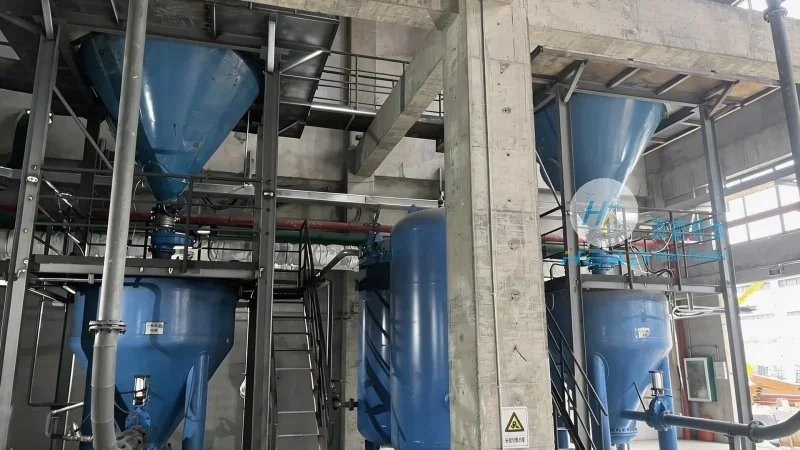
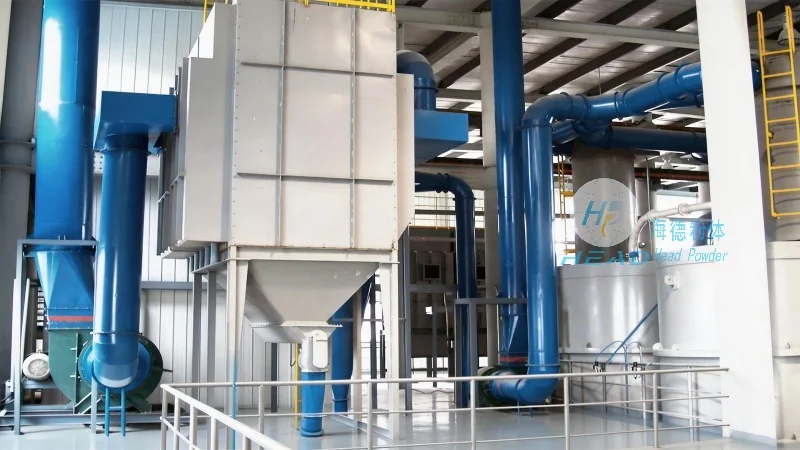
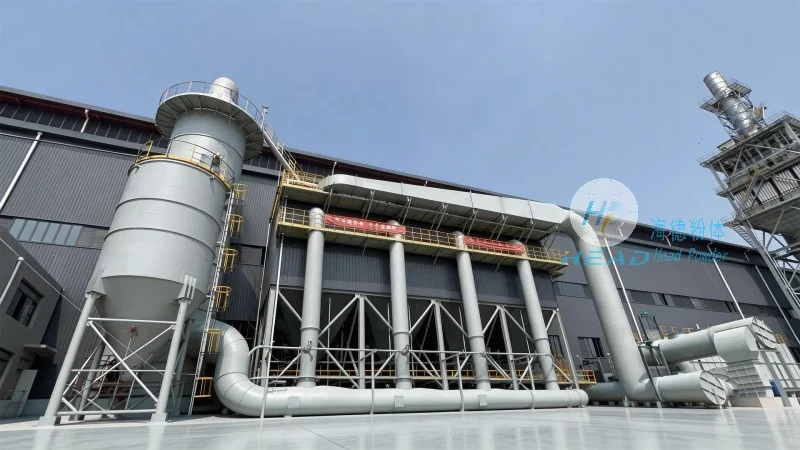
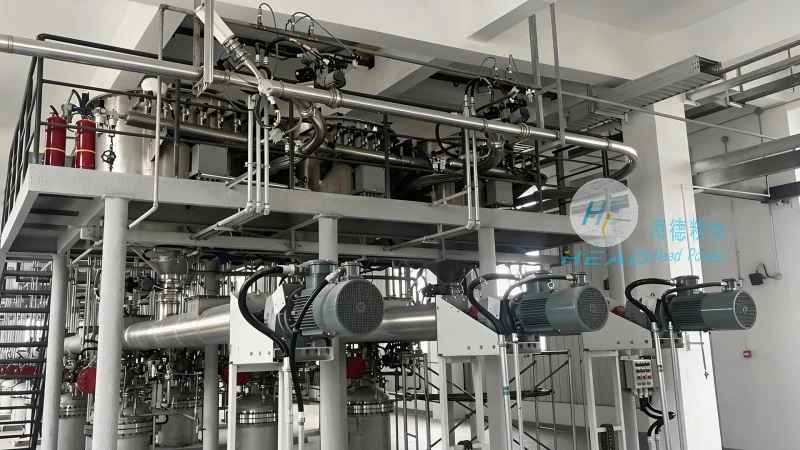
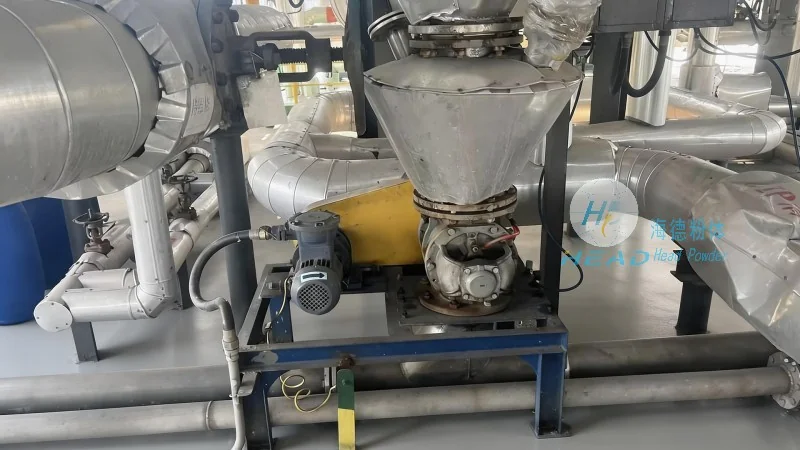
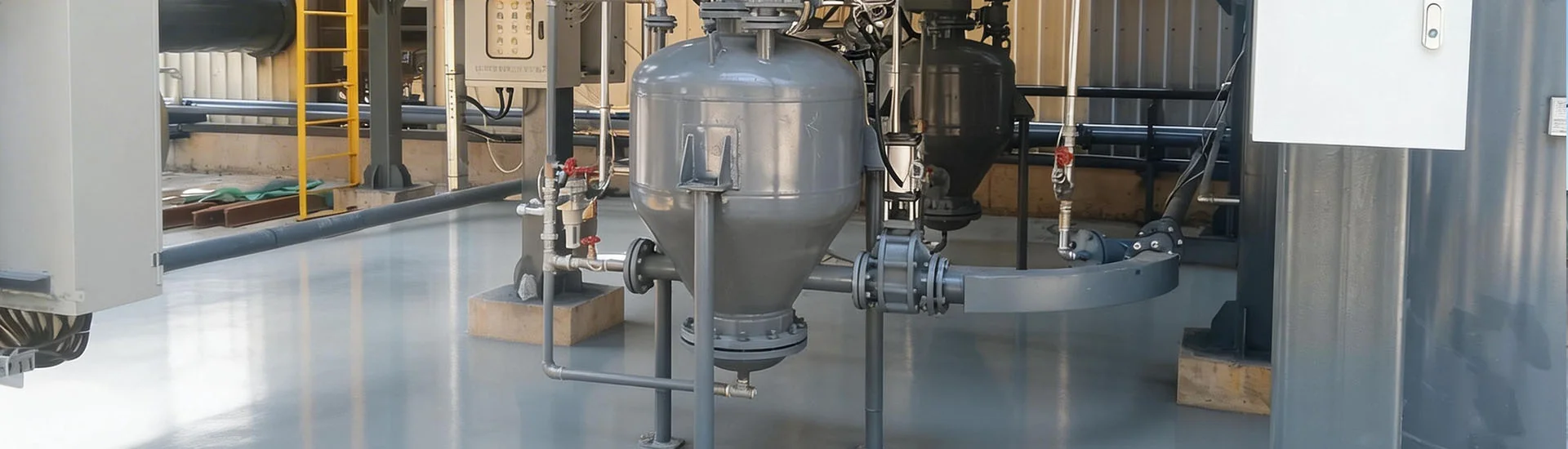
Headpowder offers a comprehensive customized pneumatic conveying system specifically engineered for PBAT pellets. Our solution integrates dense-phase or dilute-phase conveying technology based on material characteristics and site requirements. The system includes a sealed feed hopper, a rotary airlock valve, a conveying pipeline with optimized bends, a cyclone separator, and a dust collector. All contact surfaces are constructed from stainless steel or food-grade polymer to prevent contamination. Temperature monitoring and active cooling units are incorporated to maintain pellet integrity during transport. The entire system is controlled by a programmable logic controller (PLC) with remote monitoring capabilities, ensuring consistent operation and easy integration into existing production lines.
Headpowder's PBAT pellet conveying system directly tackles the identified pain points. By implementing a low-velocity dense-phase conveying approach, we minimize particle degradation and reduce dust generation. The pipeline is designed with large-radius bends and anti-static liners to prevent blockages caused by pellet adhesion. An air conditioning unit maintains the conveying air at a controlled temperature, preventing thermal softening and agglomeration. Real-time pressure and flow sensors enable automatic adjustments, optimizing air consumption and lowering operational costs. The modular design simplifies maintenance and allows for future capacity expansion without major system overhauls. Comprehensive sealing and filtration ensure a clean working environment and reduce material loss.

 Shandong headpowder Engineering Co., Ltd.
 156-6277-7102(Manager Zhang)
  0531-83386006
  Jinan City, Shandong Province, China
服务热线
微信咨询
回到顶部