

Introduction to the Bin Pump Powder Handling System: Structure and Working Principles
HeadPowder, a leading engineering firm based in Shandong, China, specializes in the design and manufacturing of advanced powder handling systems. Among their portfolio is the bin pump system, a critical piece of equipment for efficient bulk material transport. This article provides a comprehensive overview of the bin pump system, detailing its structural components and operational principles.
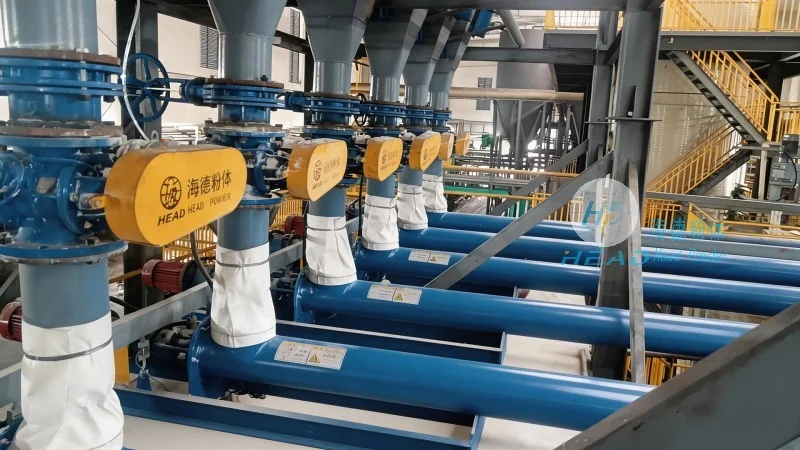
Company Profile and Location
HeadPowder Engineering Co., Ltd. is headquartered in Shandong, China. The company focuses on providing innovative solutions for powder and bulk material handling, ensuring reliability and efficiency in industrial applications. With a strong commitment to quality and customer satisfaction, HeadPowder has established itself as a trusted name in the engineering sector.
Overview of the Bin Pump Powder Handling System
The bin pump, also known as a pressure bin or a pneumatic conveyor, is a versatile system designed to transport dry bulk materials over long distances with minimal maintenance. It is widely used in industries such as cement, chemicals, food processing, and mining, where the safe and efficient movement of powders is essential. The system combines the advantages of both pneumatic and mechanical conveying methods, offering flexibility and adaptability to various operational requirements.
Structural Components of the Bin Pump System
The bin pump system consists of several key components that work in tandem to achieve effective material transport. These components include the hopper, the pump body, the air supply system, the discharge valve, and the control panel. Each component plays a crucial role in the overall functionality of the system.
The Hopper: Material Storage and Feeding
The hopper is the primary storage container for the bulk material. It is typically made of durable materials such as stainless steel or carbon steel, depending on the material being handled and the environmental conditions. The hopper's design, including its shape and dimensions, is optimized to minimize material bridging and ensure consistent feeding. A feed mechanism, often a rotary valve or a star feeder, is installed at the bottom of the hopper to regulate the flow of material into the pump body.
The Pump Body: The Core of the System
The pump body is the central unit where the material is compressed and propelled through the conveying line. It is a cylindrical chamber equipped with a piston or a diaphragm that moves back and forth to create pressure variations. The pump body is designed to withstand high pressures and handle abrasive materials without degradation. The internal surfaces are often lined with wear-resistant materials to extend the equipment's service life.
The Air Supply System: Powering the Conveying Process
The air supply system provides the necessary compressed air to drive the pump body's piston or diaphragm. It includes an air compressor, a filter regulator, and a pressure relief valve. The air compressor generates the required pressure, while the filter and regulator ensure that the air is clean and at the optimal pressure for efficient operation. The pressure relief valve protects the system from over-pressurization, preventing damage to components.
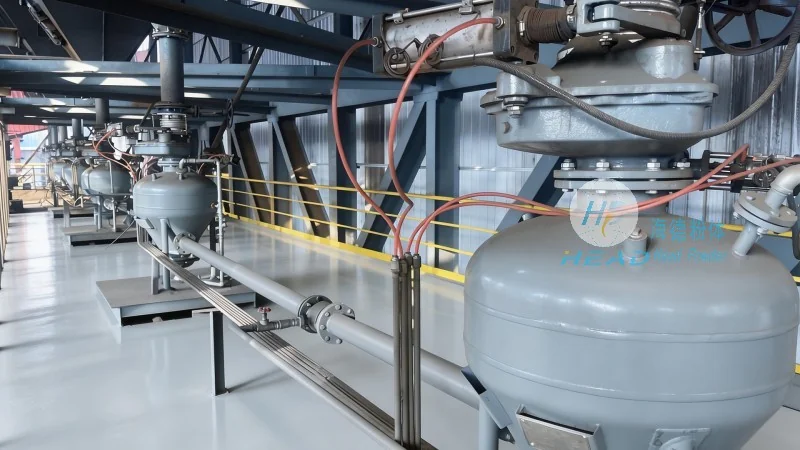
The Discharge Valve: Controlling Material Release
The discharge valve is located at the end of the conveying line and is responsible for releasing the material into the receiving hopper or silo. It is a critical component that controls the flow rate and prevents backflow. The valve is typically a rotary or slide valve, designed to handle high-pressure conditions and abrasive materials. Proper maintenance of the discharge valve is essential to ensure smooth operation and prevent material blockages.
The Control Panel: Monitoring and Regulation
The control panel houses the electrical and pneumatic controls that manage the entire system. It includes sensors for pressure, flow rate, and level monitoring, as well as control buttons and indicators. The panel allows operators to start and stop the system, adjust the air pressure, and monitor the material flow. Advanced control systems may also include programmable logic controllers (PLCs) that automate the operation and enhance system efficiency.
Working Principles of the Bin Pump System
The bin pump operates on the principle of creating a pressure differential to move material through the system. The process involves several stages: material feeding, compression, transport, and discharge. Here is a step-by-step explanation of how the system works:
1. Material Feeding and Preparation
Material is fed into the hopper from a storage silo or a conveyor system. The feed mechanism regulates the flow rate, ensuring a consistent supply of material to the pump body. The material is then drawn into the pump chamber as the piston or diaphragm moves in a specific direction.
2. Compression and Pressure Generation
As the piston or diaphragm moves forward, it compresses the material inside the pump chamber, increasing the pressure. This pressure is sufficient to force the material through the conveying line to the discharge point. The compression process is repeated in cycles, with each cycle moving a portion of the material forward.
3. Material Transport
The compressed material is propelled through the conveying line, which is typically made of flexible or rigid tubing. The line is designed to withstand the pressure and abrasion from the material. The material travels at high velocity, minimizing the risk of clogging and ensuring efficient transport over long distances.
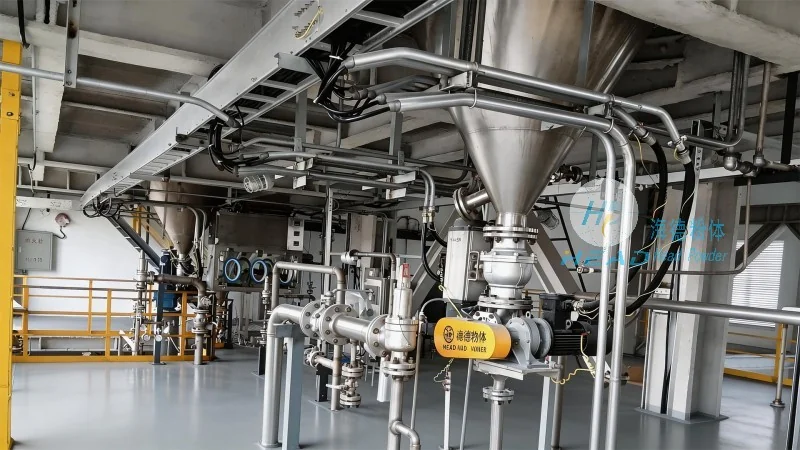
4. Discharge and Material Release
At the discharge end, the pressure is released, allowing the material to flow out of the line and into the receiving hopper or silo. The discharge valve controls the flow rate, ensuring that the material is released smoothly and without blockages. The system then returns to the initial position, ready for the next cycle.
Advantages of the Bin Pump System
The bin pump system offers several advantages over traditional conveying methods, making it a preferred choice in many industries. These advantages include:
1. Versatility and Flexibility
The system can handle a wide range of materials, from fine powders to coarse granules, and can transport materials over long distances. It is also adaptable to different operational conditions, such as varying material flow rates and pressure requirements.
2. Low Maintenance Requirements
Compared to other conveying systems, the bin pump requires minimal maintenance. The wear parts are designed to be easily replaced, and the system is less prone to clogging and blockages. This reduces downtime and operational costs.
3. Energy Efficiency
The system is energy-efficient, as it uses compressed air to move the material. The air consumption is optimized, and the system operates at lower energy costs compared to other methods. This makes it an environmentally friendly choice for industrial applications.
4. Safety and Reliability
The bin pump system is designed with safety in mind. It includes pressure relief valves and other safety features to prevent accidents and ensure reliable operation. The system is also reliable, with a long service life and minimal breakdowns.
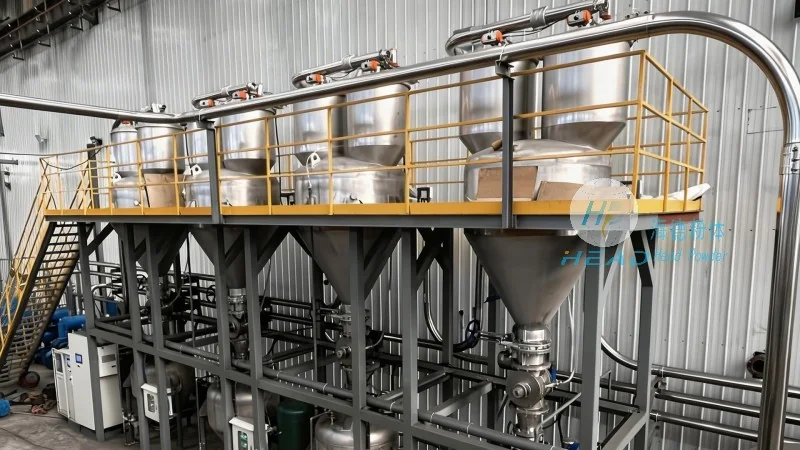
Applications of the Bin Pump System
The bin pump system is widely used in various industries due to its versatility and efficiency. Some common applications include:
1. Cement and Concrete Production
In the cement industry, the bin pump is used to transport raw materials such as limestone, clay, and iron ore from storage silos to the production line. It ensures a consistent supply of materials, which is crucial for maintaining production efficiency.
2. Chemical Processing
Chemical manufacturers use the bin pump to transport various powders and granules, such as fertilizers, pigments, and pharmaceuticals. The system's ability to handle abrasive and corrosive materials makes it suitable for these applications.
3. Food Processing
The food industry uses the bin pump to transport dry ingredients such as flour, sugar, and spices. The system is designed to meet food safety standards, with materials that are non-toxic and easy to clean.
4. Mining and Minerals
In the mining sector, the bin pump is used to transport ore and other minerals from the mine to processing facilities. It is capable of handling large volumes of material and operating in harsh environments.
Conclusion
The bin pump powder handling system is a sophisticated and efficient solution for bulk material transport. With its robust structure and reliable operation, it has become an essential component in many industrial applications. HeadPowder Engineering Co., Ltd. continues to innovate and improve its bin pump systems, providing customers with high-quality, durable equipment that meets their operational needs. By understanding the structural components and working principles of the bin pump system, users can make informed decisions about its application and maintenance, ensuring optimal performance and long-term reliability.