

Introduction to Equipment and Structural Principles of Dense-Phase Pneumatic Conveying Systems
Shandong HeadPowder Engineering Co., Ltd., commonly known as headpowder, is a professional manufacturer and supplier specializing in dense-phase pneumatic conveying systems. The company is headquartered in Shandong, China, and has established a strong presence in the industry with its commitment to innovation and quality.
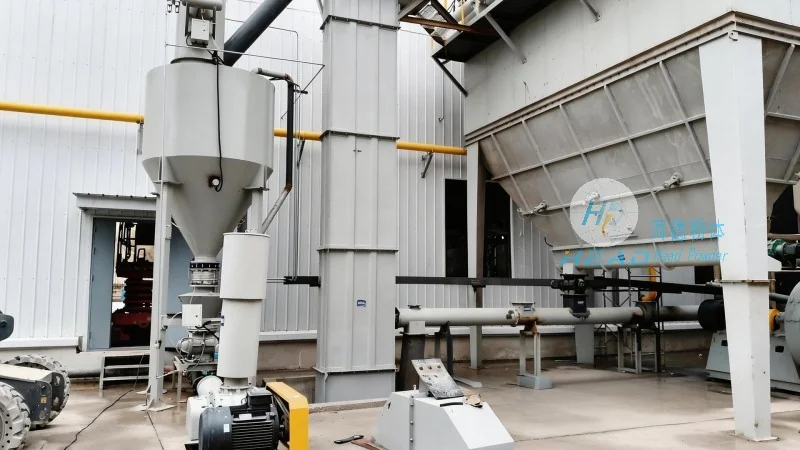
Overview of Dense-Phase Pneumatic Conveying Systems
Dense-phase pneumatic conveying systems are advanced industrial solutions designed to transport bulk materials efficiently and safely. Unlike traditional pneumatic conveying methods that rely on low pressure and high velocity, dense-phase systems operate under higher pressure and lower velocity, creating a more stable and controlled flow of material. This approach minimizes material degradation, reduces wear on equipment, and enhances overall system reliability. The technology is widely used in various industries, including chemical, pharmaceutical, food processing, and mining, where the transportation of powders and granules requires precision and durability.
Key Equipment Components
The core components of a dense-phase pneumatic conveying system include the material feeder, conveying pipeline, air source system, and material separator. Each component plays a critical role in ensuring the system operates optimally.
1. Material Feeder: The feeder is responsible for introducing the bulk material into the conveying pipeline. It can be a rotary valve, a screw feeder, or a pressure feeder, depending on the material characteristics and system requirements. The feeder ensures a consistent and controlled flow of material, preventing blockages and maintaining system efficiency.
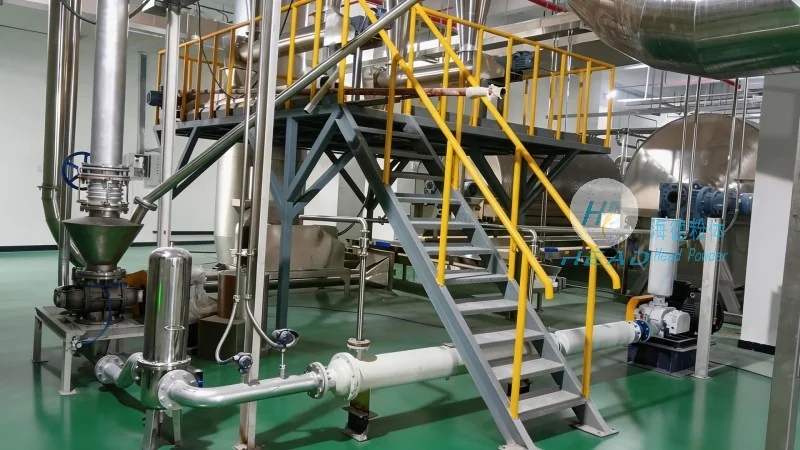
2. Conveying Pipeline: The pipeline is typically made of stainless steel or other corrosion-resistant materials to withstand the abrasive nature of the conveyed materials. The design of the pipeline, including bends and fittings, is optimized to minimize pressure drop and maintain the dense-phase flow. The pipeline is equipped with pressure sensors and flow meters to monitor the system's performance in real-time.
3. Air Source System: This system provides the necessary compressed air or gas to drive the material through the pipeline. It includes an air compressor, a filter, and a regulator to ensure clean and consistent air pressure. The air source system is designed to handle the specific pressure and flow requirements of the dense-phase conveying process, ensuring efficient material transport.
4. Material Separator: The separator is used to separate the conveyed material from the air at the end of the pipeline. It can be a cyclone separator, a bag filter, or a cartridge filter, depending on the material's properties. The separator ensures that the material is collected efficiently and that the air is cleaned before being discharged or recycled back into the system.
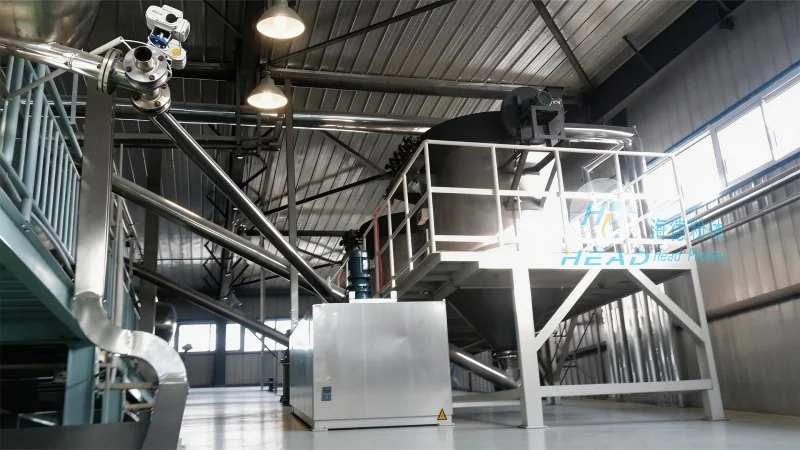
Structural Principles and Working Mechanism
The structural principles of a dense-phase pneumatic conveying system are based on the interaction between the material and the air in the pipeline. The system operates by creating a dense mixture of material and air, where the material particles are suspended and transported as a slurry. The key principle is to maintain a high solids concentration in the pipeline, which reduces the velocity of the material and minimizes wear on the equipment.
When the material is fed into the pipeline, it mixes with the compressed air from the source system. The air pressure and velocity are controlled to create a stable flow, where the material particles are carried along by the air without settling. The pipeline's design, including the use of special fittings and bends, helps to maintain this stable flow and prevent material deposition or blockages.
The system's control system monitors various parameters, such as pressure, flow rate, and temperature, to ensure that the conveying process is optimized. If any parameter deviates from the set points, the system can automatically adjust the air pressure or material feed rate to maintain stable operation. This automation enhances the system's reliability and reduces the need for manual intervention.
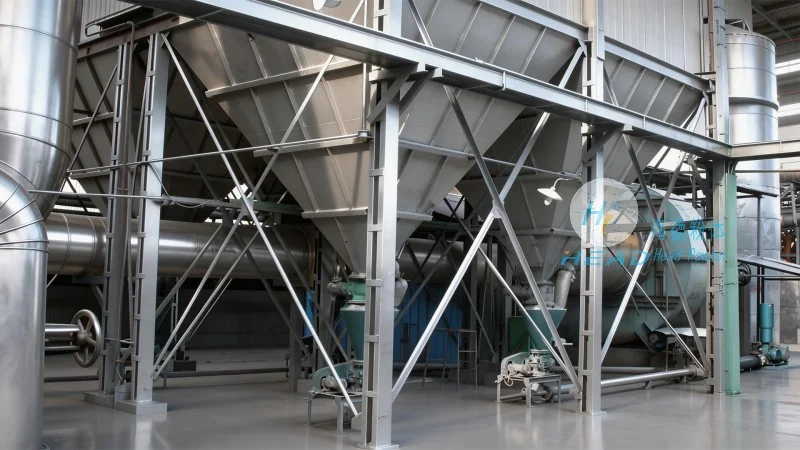
Advantages and Applications
Dense-phase pneumatic conveying systems offer several advantages over traditional conveying methods. These include reduced material degradation, lower energy consumption, and improved safety. The system's ability to handle abrasive materials without significant wear on the equipment makes it ideal for industries where material handling is critical. Additionally, the system's compact design and easy integration into existing production lines make it a versatile solution for various applications.
Applications of dense-phase pneumatic conveying systems include the transportation of powders, granules, and bulk materials in chemical plants, pharmaceutical manufacturing facilities, food processing industries, and mining operations. The system is particularly useful for transporting materials that are sensitive to moisture or temperature changes, as the dense-phase flow minimizes exposure to the environment.
Conclusion
Shandong HeadPowder Engineering Co., Ltd. provides comprehensive solutions for dense-phase pneumatic conveying systems, combining advanced technology with professional engineering expertise. The company's products are designed to meet the specific needs of various industries, ensuring efficient, safe, and reliable material transportation. With its headquarters in Shandong, China, headpowder continues to innovate and deliver high-quality equipment that enhances operational efficiency and productivity for its clients.