

Introduction to PVC Resin Pneumatic Conveying Systems: Structure and Working Principles
HeadPowder, a leading manufacturer based in Shandong, China, specializes in the design and production of advanced pneumatic conveying systems for various industrial applications. This article provides an overview of PVC resin pneumatic conveying systems, focusing on their structural components and operational principles.
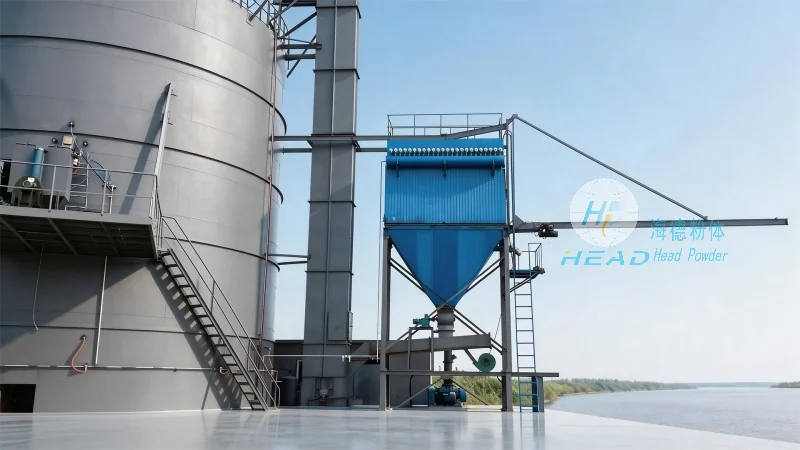
Overview of PVC Resin Pneumatic Conveying Systems
PVC resin pneumatic conveying systems are engineered to efficiently transport PVC resin particles through a closed pipeline using compressed air or other gas. These systems are widely used in the plastics industry due to their ability to handle abrasive materials, minimize product contamination, and maintain a clean working environment. The core of such systems lies in their integrated design, which combines several key components to ensure reliable and efficient material transport.
Key Structural Components of the System
The PVC resin pneumatic conveying system typically consists of several essential parts, each playing a critical role in the overall operation. The primary components include the feeding unit, conveying pipeline, separation and collection system, and the air supply system. Each component is carefully designed to work in harmony to achieve optimal performance.
1. Feeding Unit
The feeding unit is responsible for introducing the PVC resin into the conveying system. It is usually equipped with a hopper or a feeder that can handle bulk materials and ensure a consistent flow rate. The design of the feeding unit is crucial to prevent material bridging or blockages, which could disrupt the conveying process. In many systems, the feeding unit is integrated with a rotary valve or a star feeder to control the material discharge rate precisely.
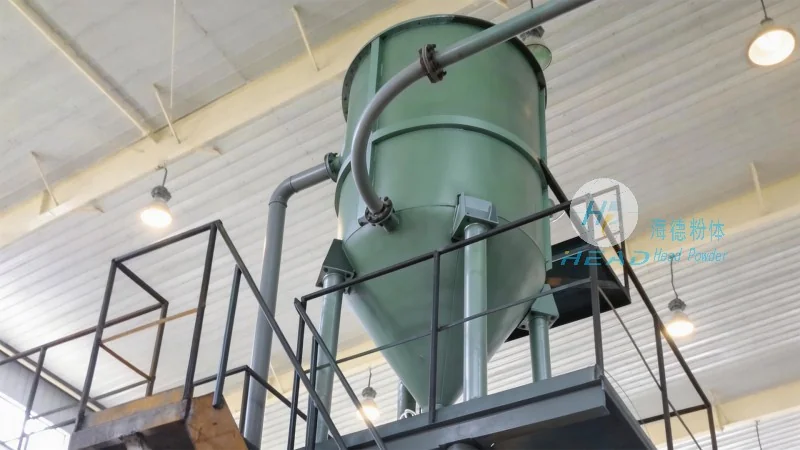
2. Conveying Pipeline
The conveying pipeline is the main channel through which the PVC resin is transported. It is typically made of durable materials such as stainless steel or special plastic to withstand the abrasive nature of PVC resin and the effects of compressed air. The pipeline is designed with smooth inner surfaces to minimize friction and pressure loss, ensuring efficient material movement. The pipeline may include bends, elbows, and straight sections, all strategically placed to maintain the flow of material and air within the system.
3. Separation and Collection System
The separation and collection system is responsible for separating the PVC resin from the conveying air and collecting the material at the destination. This system typically includes a cyclone separator or a bag filter, which uses centrifugal force or filtration to separate the solid particles from the air stream. The separated PVC resin is then collected in a receiving hopper or a storage bin, while the air is either recirculated or discharged to the atmosphere, depending on the system design.
4. Air Supply System
The air supply system provides the necessary pressure and volume of air to drive the material through the pipeline. It usually consists of a blower or a compressor, a filter to remove contaminants from the air, and a pressure regulator to maintain a stable pressure. The air supply system is designed to ensure that the air flow is sufficient to overcome the resistance in the pipeline and to maintain the required velocity for material transport. Proper air management is essential to prevent excessive energy consumption and to ensure the longevity of the system components.
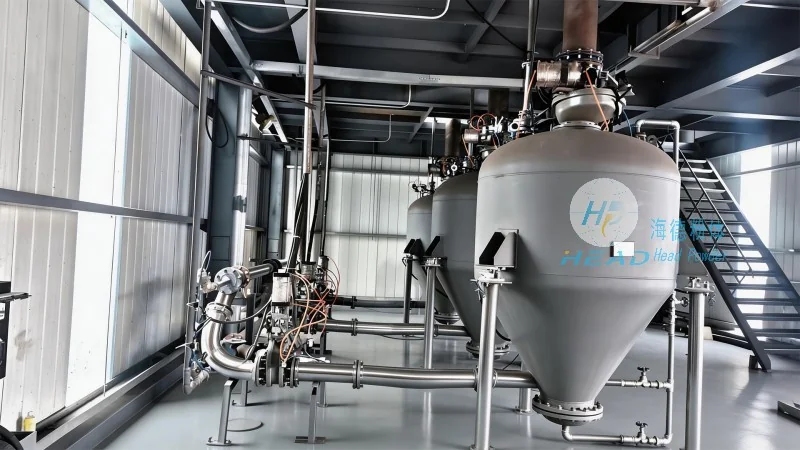
Working Principles of the Pneumatic Conveying Process
The operation of a PVC resin pneumatic conveying system follows a systematic process that involves the introduction of material, the generation of air flow, and the separation of material from air. The process begins with the feeding unit discharging PVC resin into the pipeline. Simultaneously, the air supply system generates a high-pressure air stream that enters the pipeline at the feeding point. The air flow creates a negative pressure or a positive pressure environment, depending on the system type (e.g., suction or pressure system), which pulls or pushes the material along the pipeline.
1. Suction Conveying Principle
In a suction conveying system, the air is drawn from the material source and the material is pulled along with the air stream. The system operates at a lower pressure than the ambient air, which helps to minimize the risk of material spillage and contamination. The suction system is particularly suitable for applications where the material needs to be transported from a lower elevation or over a short distance.
2. Pressure Conveying Principle
In a pressure conveying system, the air is supplied under pressure at the material source, pushing the material through the pipeline. This system operates at a higher pressure than the ambient air, which allows for longer conveying distances and higher material throughput. The pressure system is commonly used for applications requiring high efficiency and the ability to transport materials over significant distances.
Advantages of PVC Resin Pneumatic Conveying Systems
PVC resin pneumatic conveying systems offer several advantages over traditional mechanical conveying methods. These include reduced labor costs due to automated operation, minimized product contamination as the material is handled in a closed system, and improved safety as there are no moving parts in direct contact with the material. Additionally, the systems are compact and can be easily integrated into existing production lines, making them a cost-effective solution for many industrial applications.
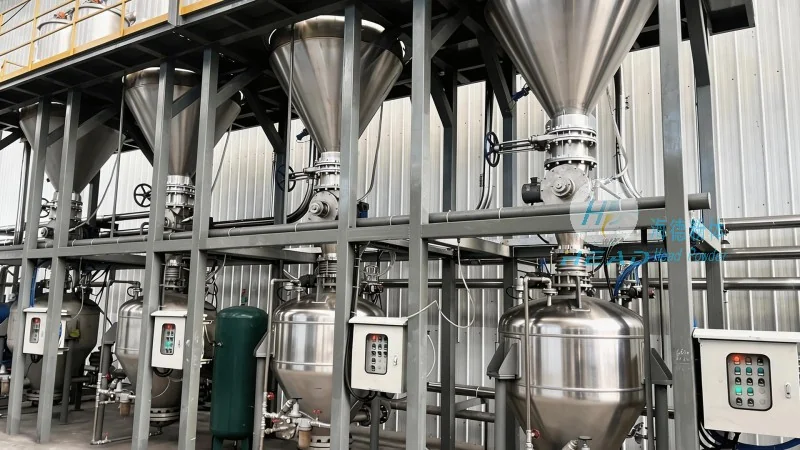
Applications in the Plastics Industry
PVC resin pneumatic conveying systems are widely used in the plastics industry for various applications, including the transport of PVC resin from storage silos to processing machines, the transfer of PVC granules between production lines, and the handling of PVC powders in recycling operations. The systems are particularly beneficial in applications where the material needs to be handled in a clean and dust-free environment, such as in food processing or pharmaceutical manufacturing.
Maintenance and Operational Considerations
Proper maintenance of the PVC resin pneumatic conveying system is essential to ensure its long-term performance and reliability. Regular inspection of the components, such as the feeding unit, pipeline, and separation system, is necessary to detect and address any potential issues before they lead to system failure. The air supply system should be checked for proper filtration and pressure regulation to prevent contamination and energy inefficiency. Additionally, the system should be cleaned regularly to remove any accumulated material or debris, which can affect the performance and lifespan of the components.
Conclusion
PVC resin pneumatic conveying systems are advanced and efficient solutions for transporting PVC resin in industrial applications. With their integrated design and reliable operation, these systems offer significant advantages over traditional conveying methods. HeadPowder, as a professional manufacturer based in Shandong, China, provides high-quality pneumatic conveying systems tailored to meet the specific needs of various industries. By understanding the structural components and working principles of these systems, users can make informed decisions and optimize their material handling processes.