

Introduction to Chocolate Pneumatic Conveying Systems: Structure and Working Principles
Chocolate pneumatic conveying systems are essential equipment in the chocolate manufacturing industry, designed to efficiently transport chocolate powders and related materials from one location to another within a production facility. These systems utilize air or gas as the conveying medium to move bulk materials, offering a hygienic and efficient solution compared to traditional mechanical conveyors. The primary goal of such systems is to maintain the quality and integrity of chocolate products while ensuring smooth and continuous operation in production lines.
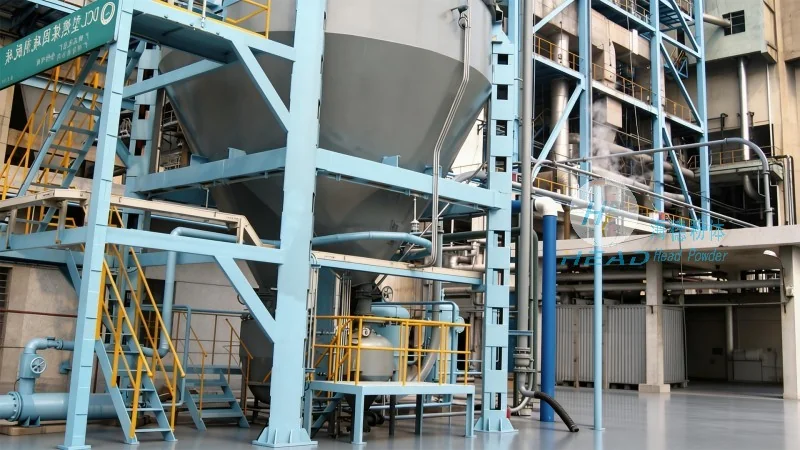
Key Components and Structure of Chocolate Pneumatic Conveying Systems
HeadPowder, a leading manufacturer based in Shandong, China, specializes in the design and production of advanced chocolate pneumatic conveying systems. The core structure of these systems typically includes several key components: a hopper for material storage, a feeder to control the flow of chocolate powder, a conveying line (often equipped with filters and cyclones for separation), and a receiver for the discharged material. The system operates by drawing air into the hopper, where the chocolate powder is entrained and carried through the pipeline to the receiver. The design ensures minimal product degradation and contamination, which is crucial for maintaining the high standards of chocolate quality.
Working Principle of Chocolate Pneumatic Conveying Systems
The working principle of a chocolate pneumatic conveying system involves the use of differential pressure to move materials. In a typical positive pressure system, air is blown into the conveying line, creating a pressure higher than the ambient air, which forces the chocolate powder to move along the pipeline. Conversely, a negative pressure system draws air out of the line, creating a vacuum that pulls the material. For chocolate applications, positive pressure systems are more commonly used due to their ability to handle fine powders and maintain consistent flow rates. The system’s efficiency depends on factors such as the material’s density, particle size, and the air velocity within the pipeline. Proper design ensures that the air-to-material ratio is optimized to prevent blockages and maintain system performance.
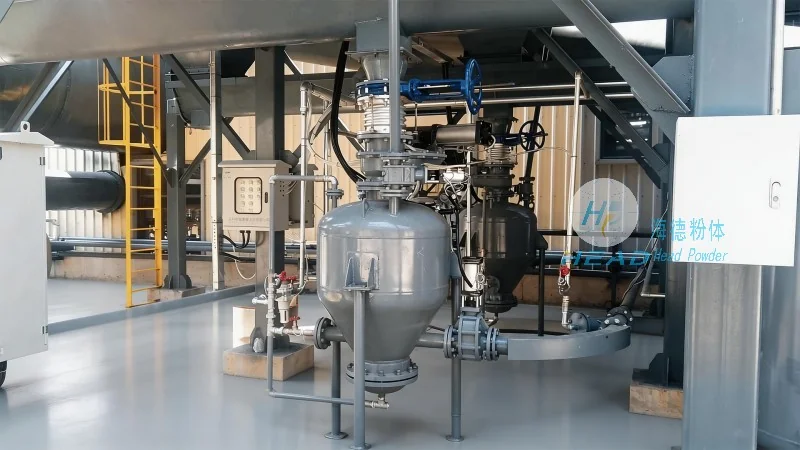
Advantages of Using Chocolate Pneumatic Conveying Systems
Implementing a chocolate pneumatic conveying system offers several advantages over traditional methods. Firstly, it provides a hygienic and clean environment, as the system is enclosed and prevents contamination from external sources. This is particularly important in food processing industries where product safety is paramount. Secondly, these systems are highly efficient in terms of energy consumption and operational speed, allowing for continuous and rapid material transfer. Additionally, they reduce labor costs by automating the material handling process and minimizing the need for manual intervention. The compact design of the system also saves space in production facilities, making it suitable for both large-scale and small-scale chocolate production operations.
Customization and Application in Chocolate Manufacturing
HeadPowder Engineering Co., Ltd., with its headquarters in Shandong, China, offers customized solutions tailored to the specific needs of chocolate manufacturers. The company’s engineers work closely with clients to design systems that meet their production requirements, including different material capacities, conveying distances, and environmental conditions. These systems are widely used in various stages of chocolate production, such as transporting cocoa powder, chocolate chips, or finished chocolate products between processing units. The flexibility of the pneumatic conveying system allows for integration with other production equipment, enhancing overall operational efficiency. By choosing a system from HeadPowder, manufacturers can ensure that their chocolate production processes are optimized for speed, quality, and cost-effectiveness.
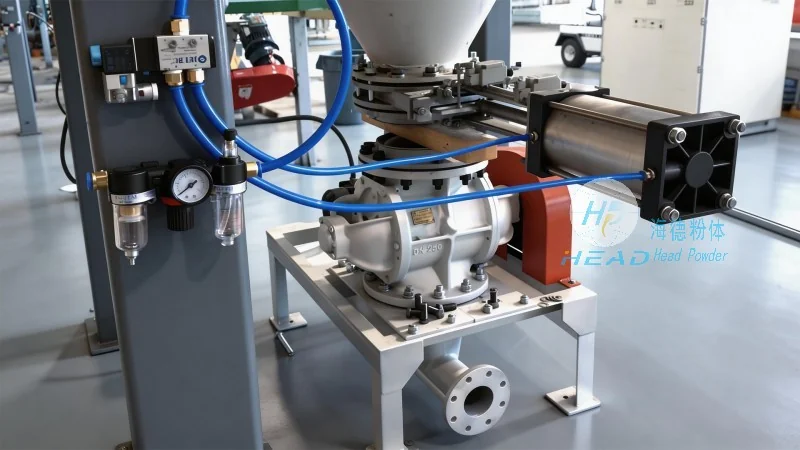
Maintenance and Operational Considerations
Proper maintenance is crucial to ensure the longevity and efficiency of chocolate pneumatic conveying systems. Regular cleaning of the hopper, feeder, and conveying lines is necessary to prevent the buildup of chocolate residue, which can affect system performance and product quality. The filters and cyclones within the system should be checked and replaced as needed to maintain air quality and prevent clogging. Additionally, monitoring the air pressure and flow rates is essential to detect any issues early and prevent system failures. HeadPowder provides comprehensive maintenance services and technical support to help clients keep their systems running smoothly. By following recommended maintenance procedures, manufacturers can extend the lifespan of their equipment and minimize downtime, ensuring consistent production output.
Conclusion
Chocolate pneumatic conveying systems, as exemplified by the products from Shandong HeadPowder Engineering Co., Ltd., represent a sophisticated and efficient solution for material handling in the chocolate industry. The combination of advanced design, hygienic operation, and customization options makes these systems an ideal choice for modern chocolate manufacturers. By investing in a high-quality pneumatic conveying system, companies can enhance their production processes, maintain product quality, and achieve greater operational efficiency. HeadPowder’s commitment to quality and innovation ensures that their systems meet the evolving needs of the chocolate industry, providing reliable and effective solutions for years to come.