

Introduction to White Flour Pneumatic Conveying Equipment and Its Structural Principles
HeadPowder, a professional manufacturer based in Shandong, China, specializes in the design, production, and supply of advanced pneumatic conveying systems tailored for various industrial applications, including the handling of white flour and other fine powders. This article provides a comprehensive overview of white flour pneumatic conveyors, focusing on their structural design and operational principles to help users understand their functionality and benefits.
Company Profile and Expertise
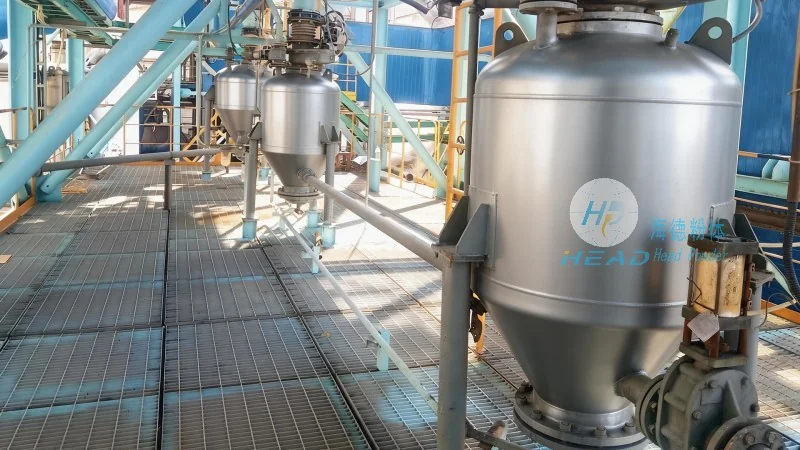
HeadPowder Engineering Co., Ltd. is a leading enterprise in the field of powder handling technology, with a strong commitment to innovation and quality. Headquartered in Shandong, China, the company leverages years of industry experience to develop efficient and reliable pneumatic conveying solutions. Our team of engineers and technicians is dedicated to meeting the diverse needs of clients across different sectors, ensuring that each product meets the highest standards of performance and durability. By combining advanced engineering with practical application knowledge, HeadPowder delivers customized solutions that enhance operational efficiency and reduce maintenance costs for our customers.
Overview of White Flour Pneumatic Conveying Equipment
White flour pneumatic conveyors are specialized systems designed to transport white flour and other fine powders through a pressurized or vacuum environment using air or other gases. These systems are widely used in the food processing industry, particularly in flour mills and bakeries, where the need for hygienic, dust-free, and efficient material handling is critical. The primary advantage of pneumatic conveying over traditional methods like belt conveyors or bucket elevators is its ability to handle fine powders without the risk of product contamination or degradation. Additionally, these systems offer flexibility in layout, allowing for horizontal, vertical, or inclined transport paths, which can be tailored to the specific requirements of a facility.
Structural Components and Working Principles
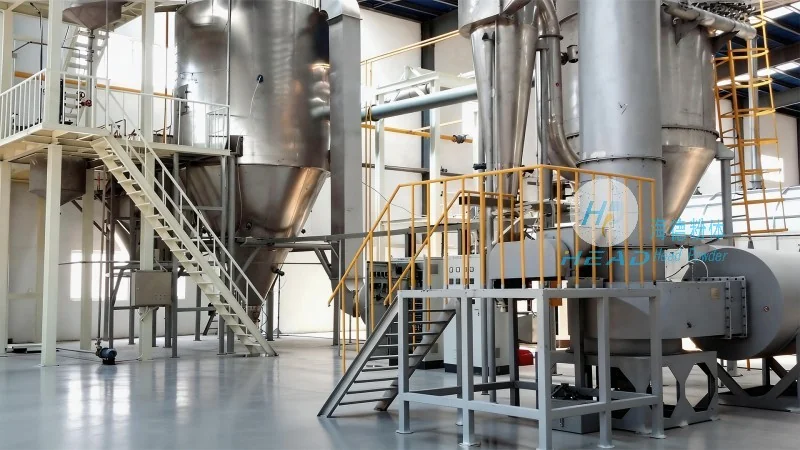
The core components of a white flour pneumatic conveyor typically include a hopper for material storage, a feed mechanism (such as a rotary valve or screw feeder) to control the flow of flour into the system, a conveying line (usually made of stainless steel or other corrosion-resistant materials to maintain hygiene), a pressure or vacuum source (like a blower or vacuum pump), and a discharge unit to deliver the flour to its destination. The working principle involves introducing air into the conveying line, creating a flow that lifts and transports the flour particles. In a pressure system, air is blown into the hopper, pressurizing the material and forcing it through the line. In a vacuum system, a vacuum pump creates a negative pressure that draws the flour from the hopper into the line. The choice between pressure and vacuum depends on factors such as the distance to be covered, the material's properties, and the desired flow rate.
Key Features and Benefits
White flour pneumatic conveyors from HeadPowder are engineered with several key features that enhance their performance and usability. These include: 1. Hygienic Design: The use of stainless steel and smooth surfaces minimizes the risk of bacterial growth and ensures compliance with food safety regulations. 2. Low Maintenance: The system's components are designed for easy access and replacement, reducing downtime and maintenance costs. 3. Energy Efficiency: Advanced blower technology and optimized air flow reduce energy consumption compared to traditional systems. 4. Customization: Each system can be tailored to the specific needs of a facility, including the capacity, transport distance, and material characteristics. 5. Dust Control: The enclosed design prevents dust from escaping into the environment, improving workplace safety and air quality.
Application Scenarios
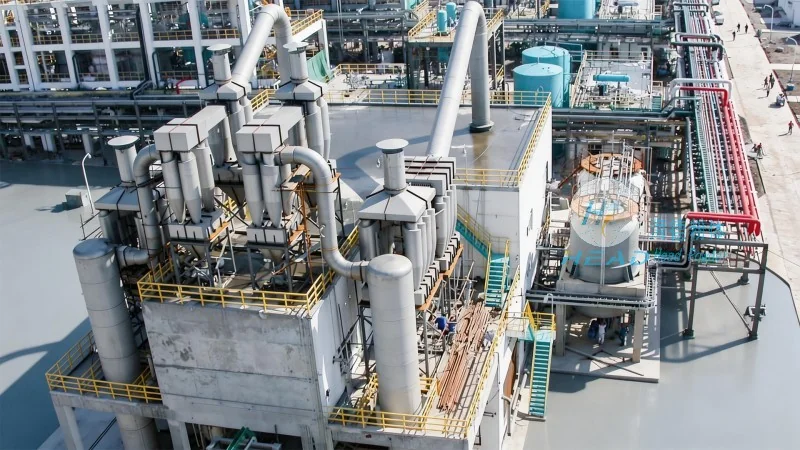
White flour pneumatic conveyors are commonly used in various applications within the food processing industry. For example, in flour mills, they are used to transport raw flour from storage silos to processing equipment, such as mixers or ovens. In bakeries, they can be used to move flour from storage to production lines, ensuring a consistent supply of material. Additionally, these systems are suitable for other industries that handle fine powders, such as pharmaceuticals or chemical manufacturing, where the need for clean and efficient material handling is paramount.
Conclusion
White flour pneumatic conveyors represent a sophisticated and efficient solution for the transportation of fine powders, particularly in the food industry. With their hygienic design, low maintenance requirements, and energy efficiency, these systems offer significant advantages over traditional methods. HeadPowder Engineering Co., Ltd., based in Shandong, China, is a trusted provider of such equipment, offering customized solutions that meet the specific needs of clients. By understanding the structural principles and benefits of these systems, users can make informed decisions about implementing pneumatic conveying in their operations, ultimately enhancing productivity and maintaining product quality.