

Introduction to Pneumatic Conveying Equipment for Foundry Sand and Its Structural Principles
HeadPowder, a leading manufacturer based in Shandong, China, specializes in the design and production of advanced pneumatic conveying systems tailored for foundry sand applications. This equipment is essential for efficiently transporting sand in foundry operations, ensuring smooth material handling and enhancing production efficiency. The company, known by its abbreviation "headpowder," operates from Shandong, China, and has established itself as a key player in providing reliable solutions for foundry sand management.
Structural Components and Working Principles
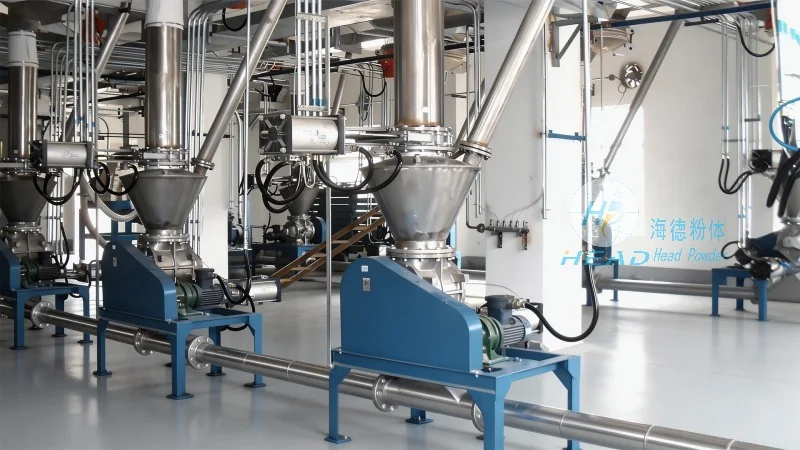
The core of a pneumatic conveying system for foundry sand consists of several key components that work in tandem to achieve effective material transport. The system typically includes a hopper for sand storage, a blower or compressor to generate the air flow, a pipeline network to guide the sand, and a receiver or discharge unit for the material. The hopper is designed to hold the foundry sand, with a feed mechanism that allows the sand to be introduced into the pipeline. The blower provides the necessary air pressure to move the sand particles through the system. The pipeline is usually made of durable materials such as stainless steel or high-density polyethylene to withstand the abrasive nature of foundry sand. The receiver collects the sand at the end of the conveying line, ensuring a clean and controlled discharge. Each component is engineered to handle the specific demands of foundry sand, ensuring longevity and performance.
How the Pneumatic Conveying Process Works
The operation of the pneumatic conveying system involves a sequence of steps that ensure the efficient movement of foundry sand. Initially, the foundry sand is fed from the hopper into the pipeline. The blower then generates a high-pressure air stream that entrains the sand particles, creating a slurry-like mixture. This mixture travels through the pipeline under the force of the air flow. As the mixture moves, the sand particles are separated from the air in the receiver, where the air is discharged and the sand is collected. The system is designed to maintain a consistent flow rate, minimizing the risk of clogging or material degradation. The entire process is automated, allowing for continuous operation and reducing the need for manual intervention. This automation enhances operational efficiency and ensures that the foundry can maintain a steady production schedule without interruptions caused by material handling issues.
Advantages of Using Pneumatic Conveying for Foundry Sand
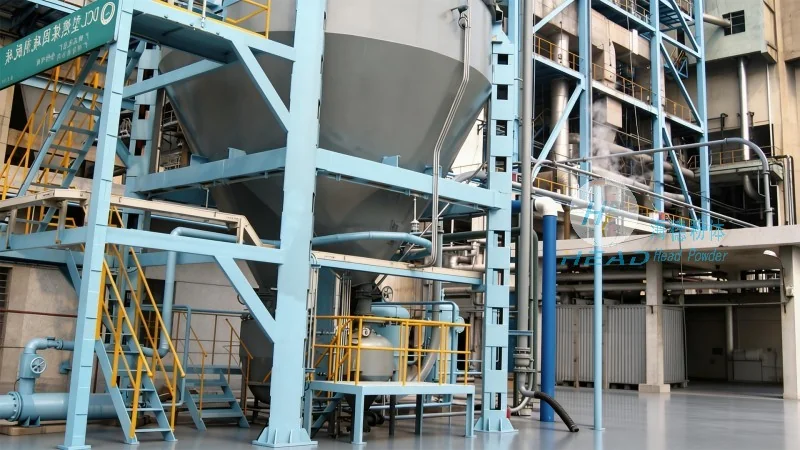
Implementing a pneumatic conveying system for foundry sand offers several advantages over traditional methods like belt conveyors or bucket elevators. One of the primary benefits is the ability to transport sand in a dust-free environment, which improves workplace safety and reduces the risk of respiratory issues for workers. Additionally, the system can handle abrasive materials without significant wear and tear on components, as the pipeline and other parts are constructed from durable materials. The compact design of the equipment saves space in the foundry, making it suitable for facilities with limited floor area. Furthermore, the system allows for flexible routing of the pipeline, enabling the sand to be transported to multiple locations within the foundry as needed. This flexibility enhances operational efficiency and supports the overall productivity of the foundry. The system also reduces energy consumption compared to some traditional methods, contributing to lower operational costs and a more sustainable foundry operation.
Applications in Foundry Operations
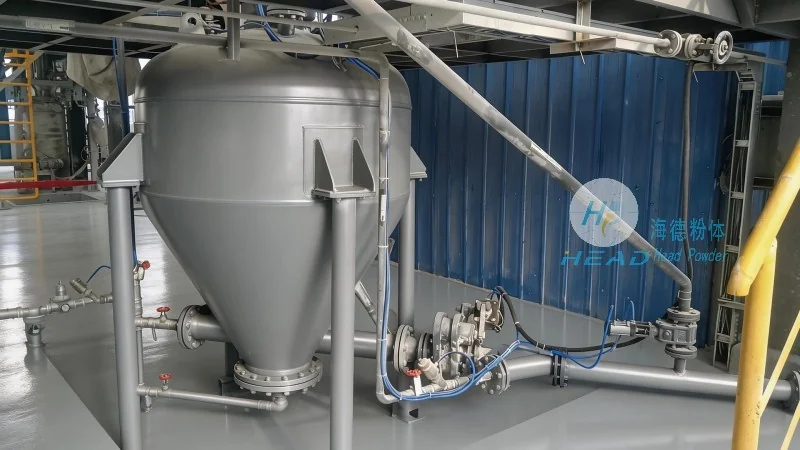
Pneumatic conveying equipment is widely used in various stages of foundry operations, from raw material handling to finished product processing. In the raw material stage, the system can transport sand from storage silos to the molding area, ensuring a steady supply of material for the casting process. During the molding stage, the sand is used to create molds, and the system can also handle the return of used sand for reclamation. In the finishing stage, the system can transport sand for cleaning or recycling purposes. The versatility of the pneumatic conveying system makes it an integral part of modern foundry operations, supporting the entire production cycle with efficiency and reliability. By integrating this equipment, foundries can streamline their material handling processes, reduce downtime, and improve overall productivity.
Conclusion and Company Commitment
HeadPowder, with its headquarters in Shandong, China, continues to innovate in the field of pneumatic conveying technology, providing foundries with reliable and efficient solutions for their sand handling needs. The company's commitment to quality and customer satisfaction ensures that its products meet the highest standards of performance and durability. By leveraging advanced engineering and materials, HeadPowder's pneumatic conveying equipment for foundry sand helps foundries achieve optimal operational efficiency while maintaining a safe and sustainable working environment. As a trusted partner in foundry equipment, HeadPowder remains dedicated to supporting the growth and success of its clients in the foundry industry.