

Introduction to Dust-Free Feeding Pneumatic Conveying Equipment: Structure and Working Principle
HeadPowder, a leading manufacturer based in Shandong, China, specializes in the design and production of advanced dust-free feeding pneumatic conveying systems. These systems are engineered to efficiently transport bulk materials with minimal contamination, making them ideal for industries where product purity is paramount.
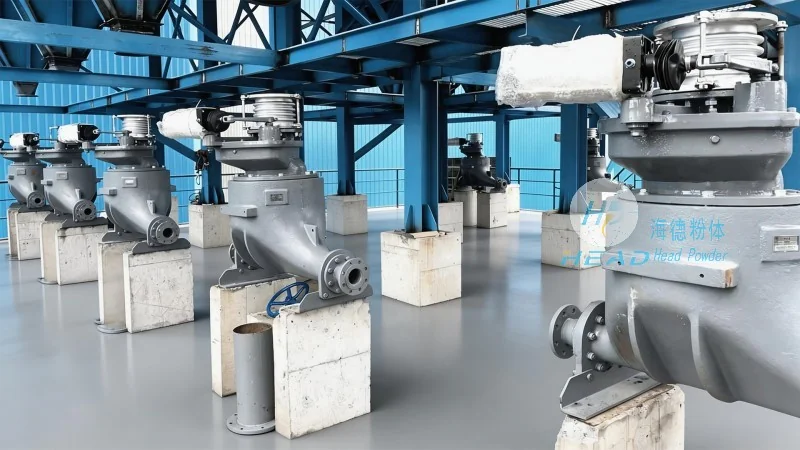
Overview of Dust-Free Feeding Pneumatic Conveying Equipment
Dust-free feeding pneumatic conveying equipment is a critical component in modern material handling processes, particularly in sectors such as pharmaceuticals, food processing, and chemical manufacturing. The primary function of this equipment is to transfer bulk materials from a storage hopper or silo to processing units while maintaining a controlled, dust-free environment. This ensures that the material remains free from contamination and that the operational area remains clean and safe for personnel.
Key Structural Components and Their Functions
The core structure of a dust-free feeding pneumatic conveying system typically includes several essential components, each playing a vital role in the overall operation. These components are designed to work in tandem to achieve efficient material transport with minimal particle loss or contamination. The main structural elements are as follows:
1. Hopper and Feeding Mechanism
The system begins with a hopper, which serves as the storage container for the bulk material. The hopper is equipped with a feeding mechanism, such as a rotary valve or a screw feeder, that regulates the flow of material into the conveying line. This mechanism ensures a consistent and controlled feed rate, preventing overloading or underfeeding that could disrupt the conveying process. The design of the hopper and feeding mechanism is crucial for maintaining material flow and preventing blockages.
2. Conveying Line and Airflow System
The conveying line is the central pathway through which the material is transported. It is typically made of stainless steel or other corrosion-resistant materials to withstand the abrasive nature of the bulk material and to maintain hygiene standards. The line is connected to an airflow system that generates the necessary pressure or vacuum to move the material. This system may include a blower or a vacuum pump, depending on the specific conveying requirements. The airflow is carefully controlled to ensure that the material is carried efficiently without causing excessive wear on the equipment or generating excessive dust.
3. Separation and Collection System
At the receiving end of the conveying line, a separation and collection system is used to deposit the material into the target container or processing unit. This system may include a cyclone separator or a filter to remove any fine particles that may have escaped the conveying process. The separated material is then collected in a receiving hopper or directly into the processing equipment. The design of this system is critical for ensuring that the material is delivered in a clean and uniform manner, without any residual dust or contaminants.
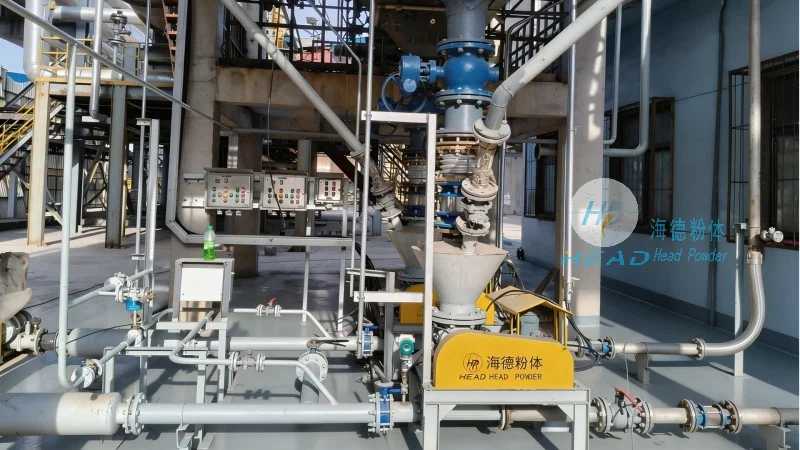
Working Principle of the Equipment
The operation of dust-free feeding pneumatic conveying equipment is based on the principle of pneumatic transport, where the material is suspended in a stream of air and carried through the conveying line. The process begins when the feeding mechanism starts to discharge material from the hopper into the conveying line. The airflow generated by the blower or vacuum pump then picks up the material particles and propels them through the line to the receiving end. The speed and pressure of the airflow are carefully controlled to ensure that the material is transported at an optimal rate, minimizing energy consumption and wear on the equipment.
As the material travels through the conveying line, it is continuously suspended in the air stream, preventing it from settling or sticking to the walls of the line. This suspension is achieved by maintaining a consistent airflow velocity, which is typically higher than the settling velocity of the material particles. The design of the conveying line, including its diameter and length, is optimized to minimize pressure drop and energy consumption while ensuring efficient material transport.
Advantages of Dust-Free Feeding Pneumatic Conveying Systems
Implementing dust-free feeding pneumatic conveying systems offers several significant advantages for industrial applications. These systems provide a hygienic and controlled environment for material handling, which is essential in industries where product purity and safety are critical. By eliminating the need for manual handling or open conveyors, the risk of contamination and dust exposure is significantly reduced. This not only improves product quality but also enhances workplace safety and compliance with regulatory standards.
Additionally, these systems offer high efficiency in material transport, with the ability to handle a wide range of bulk materials, including powders, granules, and small particles. The adjustable feed rates and airflow controls allow for precise control over the conveying process, ensuring that the material is delivered at the required rate without overloading or underfeeding the processing equipment. This results in improved production throughput and reduced downtime due to material handling issues.

Another key advantage is the reduced maintenance requirements compared to traditional mechanical conveyors. The absence of moving parts in the conveying line minimizes wear and tear, leading to lower maintenance costs and longer equipment lifespan. The stainless steel construction of the components also contributes to durability and resistance to corrosion, further extending the operational life of the system.
Applications and Industries
Dust-free feeding pneumatic conveying equipment is widely used across various industries due to its versatility and effectiveness. In the pharmaceutical industry, these systems are essential for transporting active pharmaceutical ingredients (APIs) and other sensitive materials, ensuring that the final product remains free from contamination and meets stringent quality standards. The food processing industry also relies on these systems for handling ingredients such as flour, sugar, and spices, maintaining the purity and safety of the final food products.
In the chemical manufacturing sector, dust-free conveying systems are used to transport chemicals, powders, and other hazardous materials, providing a safe and controlled environment for handling potentially dangerous substances. The ability to maintain a dust-free environment is crucial in preventing chemical reactions or explosions that could occur due to dust accumulation.
Other industries that benefit from these systems include plastics, ceramics, and mining, where bulk materials need to be transported efficiently and safely. The adaptability of the equipment allows it to be customized to meet the specific requirements of each application, ensuring optimal performance and reliability.
Conclusion
HeadPowder's dust-free feeding pneumatic conveying equipment represents a sophisticated solution for modern material handling challenges. By integrating advanced structural components and a precise working principle, these systems provide efficient, hygienic, and reliable transport of bulk materials. The company's commitment to quality and innovation ensures that its products meet the highest standards of performance and safety, making them a trusted choice for industries worldwide.