

Introduction to the Glass Bead Pneumatic Conveying System: Structure and Working Principle
HeadPowder, a leading enterprise in the field of material handling solutions, specializes in the design, manufacturing, and application of pneumatic conveying systems. This article provides an overview of the glass bead pneumatic conveying system, focusing on its structural components and operational principles. The system is engineered to efficiently transport glass beads, a crucial material in various industrial applications, ensuring reliable and efficient material movement.
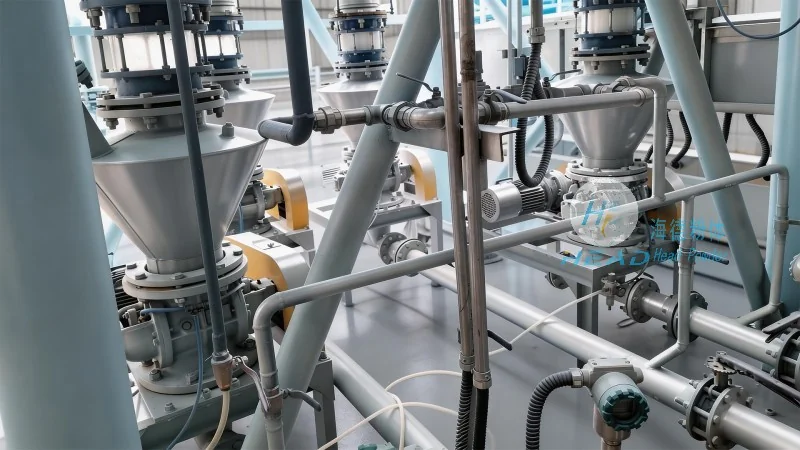
Company Profile and Background
HeadPowder, operating under the full name Shandong HeadPowder Engineering Co., Ltd., is headquartered in Shandong, China. With a strong commitment to innovation and quality, the company has established itself as a trusted provider of advanced material handling technologies. Our expertise lies in developing customized pneumatic conveying solutions tailored to meet the specific needs of clients across diverse industries, including glass manufacturing, chemical processing, and food processing.
Overview of the Glass Bead Pneumatic Conveying System
The glass bead pneumatic conveying system is a sophisticated piece of equipment designed to transport glass beads through a pressurized or vacuum pipeline. This system is particularly suitable for applications where traditional mechanical conveyors may pose challenges, such as handling lightweight, abrasive, or delicate materials. The core of the system involves a series of interconnected components that work in harmony to ensure smooth and efficient material transport.
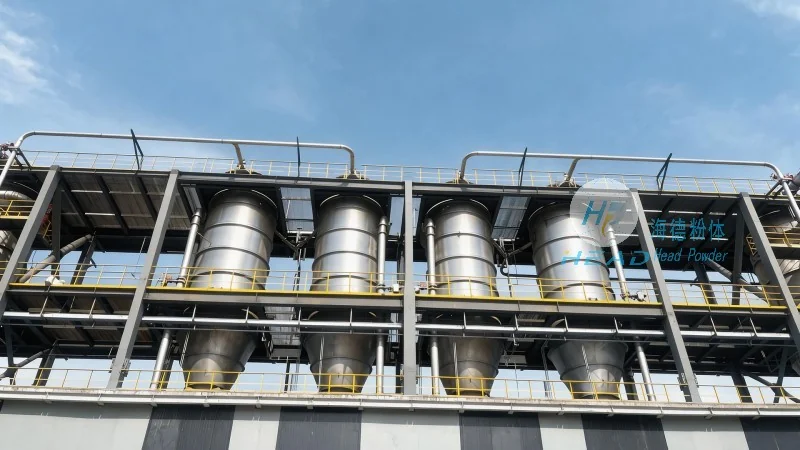
Key Structural Components of the Glass Bead Pneumatic Conveying System
The system comprises several critical components, each playing a vital role in the overall operation. The primary components include the hopper, which serves as the material storage and feeding unit; the air compressor or vacuum pump, responsible for generating the necessary pressure or suction to move the glass beads; the pipeline, which forms the transport path; and the control system, which monitors and regulates the conveying process. Additionally, the system may incorporate accessories like filters, cyclones, and dust collectors to ensure clean and efficient operation.
Working Principle of the Glass Bead Pneumatic Conveying System
The operation of the glass bead pneumatic conveying system is based on the principles of pneumatic transport. In a typical setup, glass beads are fed into the hopper from a storage silo. The air compressor then generates a high-pressure air stream, which is introduced into the pipeline. As the air flows through the pipeline, it entrains the glass beads, creating a slurry-like mixture known as a "conveying stream." This stream travels through the pipeline to the discharge point, where the glass beads are separated from the air and deposited into the receiving container. The control system continuously monitors the pressure, flow rate, and other parameters to maintain optimal operation and prevent system failures.
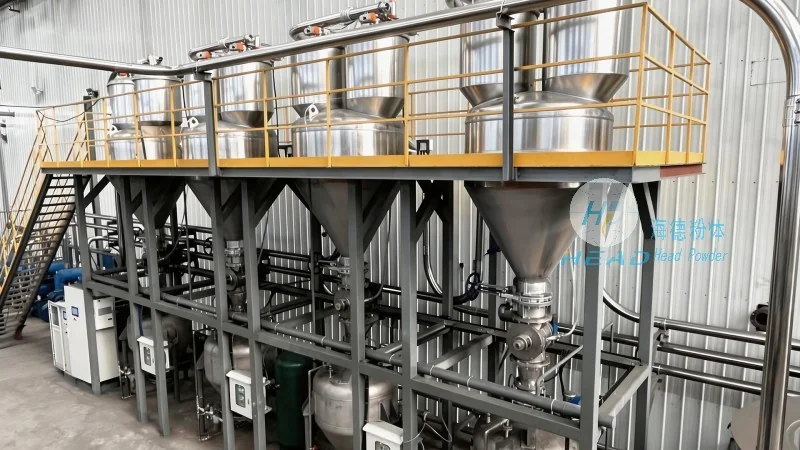
Advantages of the Glass Bead Pneumatic Conveying System
Compared to traditional mechanical conveyors, the glass bead pneumatic conveying system offers several advantages. It eliminates the need for moving parts in the transport path, reducing maintenance requirements and minimizing the risk of material contamination. The system is also highly flexible, allowing for easy integration with existing production lines and modifications to accommodate varying material volumes. Furthermore, the pneumatic transport method ensures a uniform and consistent flow of glass beads, which is essential for maintaining product quality in downstream processes.
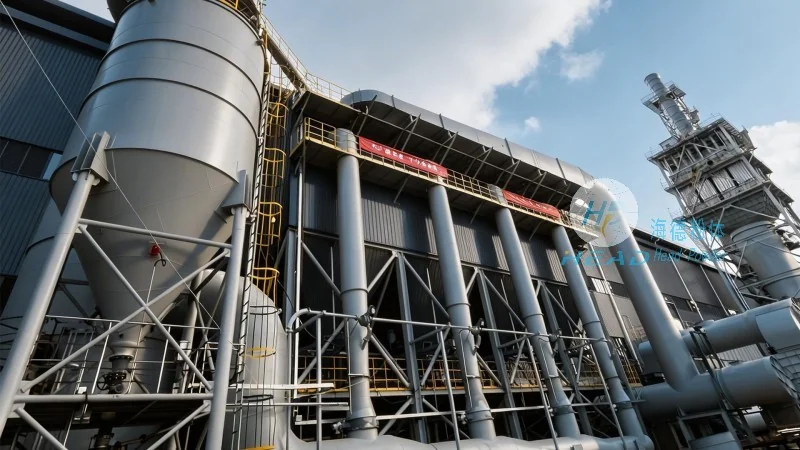
Applications and Industries Served
The glass bead pneumatic conveying system is widely used in various industries where glass beads are a key component. In the glass manufacturing industry, the system is employed to transport raw glass beads from storage to the production line, ensuring a steady supply of material for glass molding and shaping processes. In the chemical industry, the system is used to convey glass beads used as filtration media or catalyst supports, maintaining the purity and efficiency of chemical processes. Additionally, in the food processing industry, the system is utilized to transport glass beads used in food packaging or as a component in food processing equipment, ensuring compliance with food safety standards.
Conclusion
HeadPowder's glass bead pneumatic conveying system represents a reliable and efficient solution for material handling in industries that rely on glass beads. By leveraging advanced engineering and robust design, the system ensures consistent performance, minimal maintenance, and optimal material transport. With our headquarters in Shandong, China, HeadPowder continues to provide innovative solutions that meet the evolving needs of our clients, contributing to the advancement of material handling technologies worldwide.