

Introduction to Slag Pneumatic Conveying Systems: Structure and Working Principles
Slag pneumatic conveying systems represent a critical technology in the industrial sector, particularly for the efficient handling and transportation of slag materials. These systems utilize air as the primary medium to transport bulk materials like slag from one location to another, offering advantages such as reduced equipment wear, lower maintenance costs, and the ability to handle materials in a dust-free environment. The core of these systems lies in their design, which integrates components like feeders, conveying lines, and separation units to ensure reliable operation.
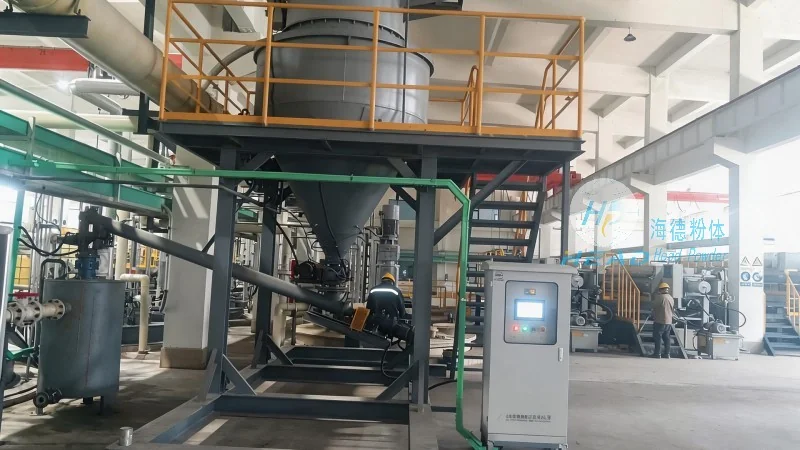
Structural Components and Working Principles
The structure of a typical slag pneumatic conveying system consists of several key components that work in tandem to achieve effective material transport. The system begins with a feeder, which is responsible for feeding the slag into the conveying line at a controlled rate. This feeder can be a rotary valve or a screw feeder, depending on the specific application and material characteristics. Following the feeder is the conveying line, which is usually made of metal or plastic and is designed to withstand the pressure and temperature conditions of the slag. The conveying line is connected to a separation unit, which may include a cyclone or a filter to separate the conveyed material from the air stream. The separated slag is then collected in a hopper or storage bin, while the cleaned air is either recirculated or discharged.
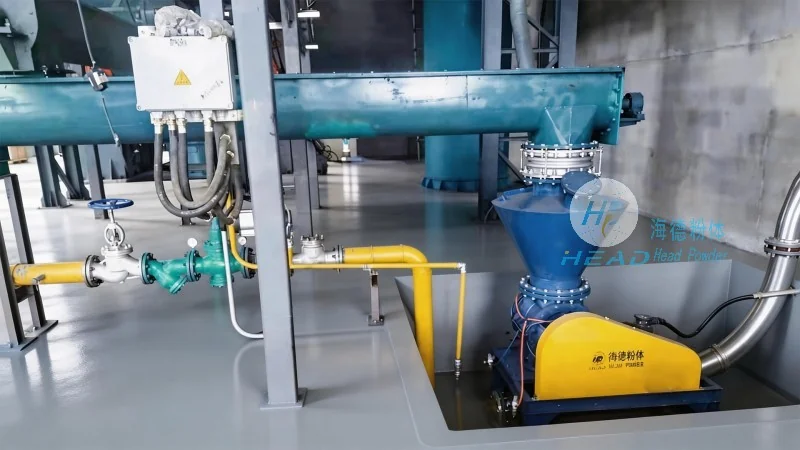
HeadPowder Engineering's Expertise in Slag Handling
Shandong HeadPowder Engineering Co., Ltd. specializes in the design, manufacturing, and installation of advanced pneumatic conveying systems tailored for slag handling applications. With a focus on innovation and customer satisfaction, HeadPowder provides customized solutions that meet the unique requirements of various industrial processes. The company's expertise encompasses the entire lifecycle of a pneumatic conveying system, from initial consultation and system design to on-site installation and after-sales support. By leveraging cutting-edge technology and rigorous quality control measures, HeadPowder ensures that its systems deliver optimal performance and reliability in handling slag materials.
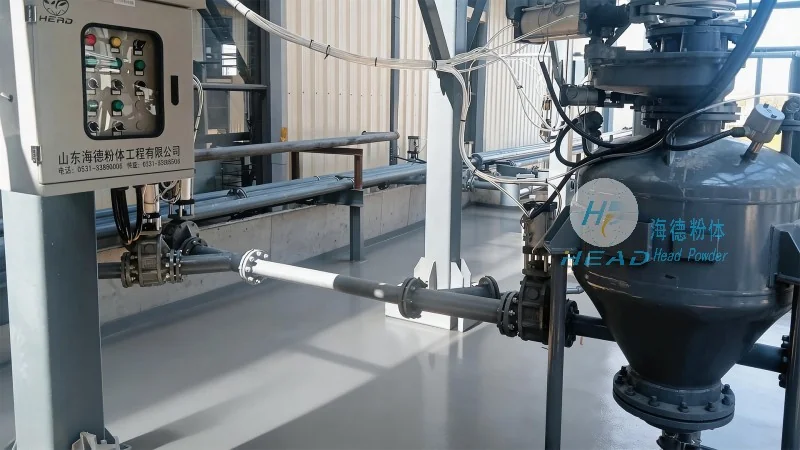
Key Advantages of Pneumatic Conveying for Slag
Implementing a pneumatic conveying system for slag offers several distinct advantages over traditional methods like belt conveyors or bucket elevators. One of the primary benefits is the reduction in material degradation and contamination, as the system operates in a closed environment, minimizing exposure to external factors. Additionally, pneumatic conveying systems are highly flexible, allowing for changes in material flow direction and distance without significant modifications to the infrastructure. The technology also contributes to improved safety in the workplace by eliminating the need for manual handling of heavy or hazardous materials. Furthermore, these systems are energy-efficient, as they use compressed air to transport materials, which can be more cost-effective in the long run compared to other transport methods.
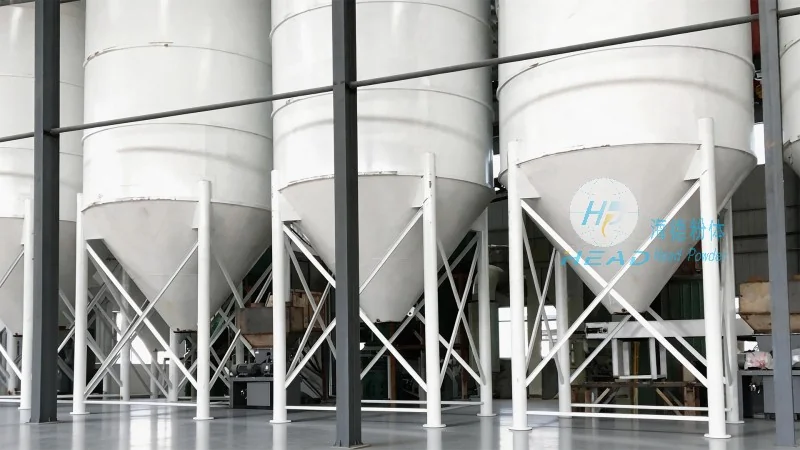
Application Examples and Industry Impact
Slag pneumatic conveying systems are widely used in various industries, including steel manufacturing, power generation, and cement production. In steel mills, for instance, slag is often generated as a byproduct of steelmaking and needs to be transported to disposal or recycling facilities. Pneumatic conveying systems enable the efficient removal of this material, ensuring smooth operations and compliance with environmental regulations. Similarly, in power plants, slag from coal combustion is transported using these systems to be utilized as a raw material in cement production or disposed of safely. The consistent and reliable performance of HeadPowder's systems has contributed to increased productivity and reduced operational costs for many of their clients across different sectors.