

How to Design a Reasonable Diatomite Mineral Powder Pneumatic Conveying System Plan
HeadPowder, a professional engineering company based in Shandong, China, specializes in providing comprehensive solutions for pneumatic conveying systems, particularly for diatomite mineral powders. This article outlines the key considerations and steps to design an efficient and reliable diatomite mineral powder pneumatic conveying system.
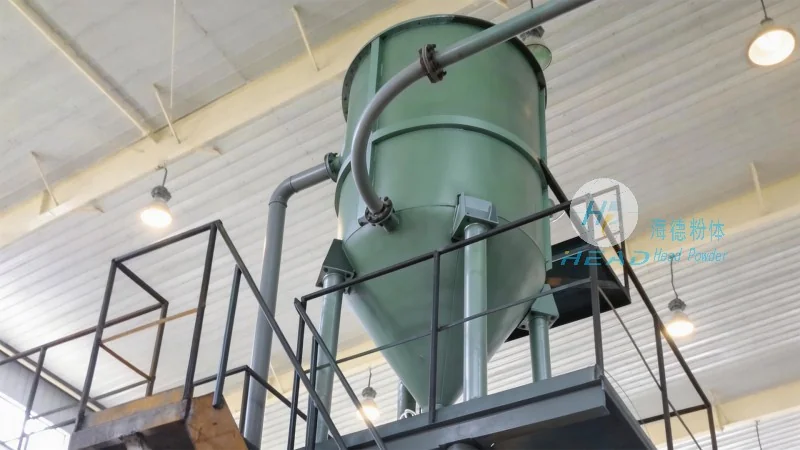
Understanding the Importance of System Design
An improperly designed pneumatic conveying system for diatomite mineral powders can lead to operational inefficiencies, increased maintenance costs, and potential safety hazards. A well-designed system ensures stable material flow, reduces dust emissions, and maximizes the overall performance of the conveying process. The design process must account for the unique properties of diatomite, such as its light weight, high moisture content, and abrasive nature, which can impact system performance and component longevity.
Key Design Factors for Diatomite Pneumatic Conveying
Several critical factors must be evaluated when designing a diatomite mineral powder pneumatic conveying system. The first is the material's physical characteristics, including particle size distribution, bulk density, and moisture content. These properties influence the required air velocity, pressure, and equipment selection. For example, diatomite often has a low bulk density, which may necessitate higher air velocities to maintain consistent flow. Additionally, the moisture content can affect the material's flowability and the risk of caking or blockages in the system.
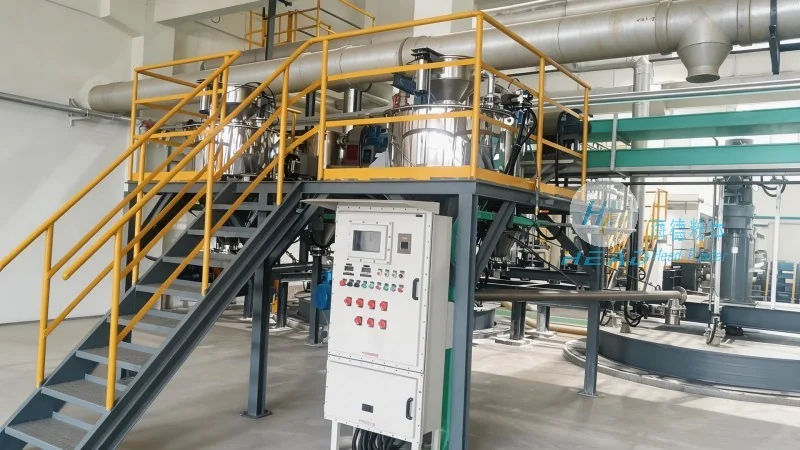
Another crucial factor is the distance and layout of the conveying route. The system design must consider the horizontal and vertical distances between the feed and discharge points. Longer or more complex routes may require multiple stages of conveying, such as a combination of positive and negative pressure sections, to maintain efficient material transport. The layout also impacts the choice of pipeline materials and the placement of components like rotary valves, filters, and cyclones.
System Components and Their Roles
A typical diatomite mineral powder pneumatic conveying system consists of several key components, each playing a vital role in the overall operation. The primary components include the material feed system, air supply and control unit, conveying pipeline, separation and filtration equipment, and discharge and collection units.
The material feed system is responsible for introducing the diatomite powder into the conveying line. This may involve rotary valves, star feeders, or other metering devices that ensure a consistent and controlled flow of material. The air supply unit provides the necessary pressure and volume of air to move the powder through the pipeline. It typically includes a blower or compressor, along with controls to regulate air pressure and flow rate.
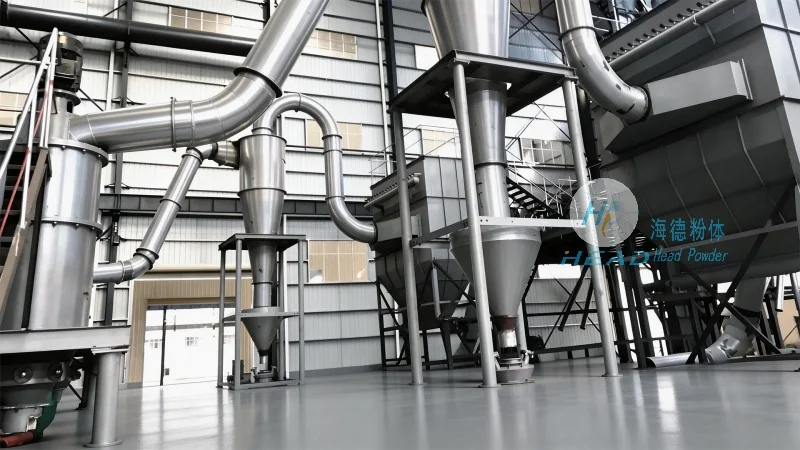
The conveying pipeline is the core of the system, transporting the diatomite powder and air mixture. The choice of pipeline material is critical, as diatomite can be abrasive and may cause wear on metal surfaces. Stainless steel or specialized plastic pipes are often used to withstand the material's properties and ensure long-term durability. The pipeline design also considers the air velocity required to maintain the powder in suspension, which is essential for preventing blockages and ensuring smooth transport.
The separation and filtration equipment is essential for removing the diatomite powder from the air stream and preventing dust emissions. Cyclones and bag filters are commonly used in such systems. Cyclones separate larger particles from the air by centrifugal force, while bag filters capture fine dust particles. Proper sizing and placement of these components are critical to ensure effective filtration and compliance with environmental regulations.
Design Considerations for System Efficiency and Reliability
Efficiency and reliability are paramount when designing a diatomite mineral powder pneumatic conveying system. The system must be designed to minimize energy consumption while maintaining the required conveying capacity. This involves optimizing air velocity and pressure to match the material's characteristics and the system's layout. Additionally, the system should be equipped with monitoring and control systems to detect and address issues such as blockages, pressure drops, or abnormal flow rates in real-time.
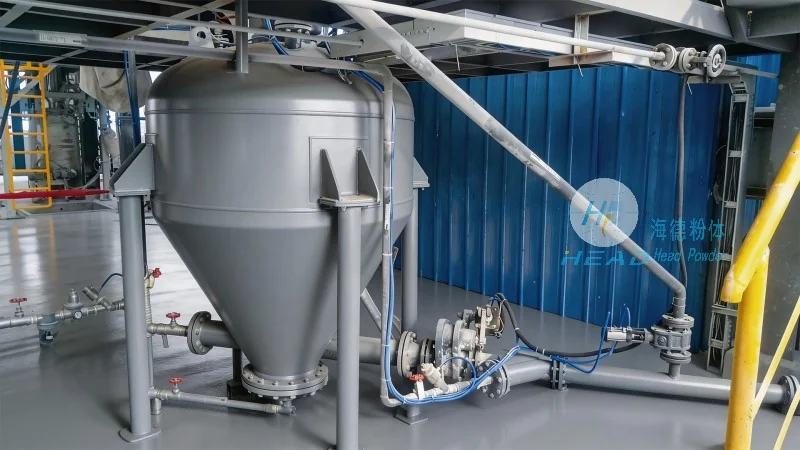
Maintenance and operational considerations also play a significant role in system design. The components must be selected for ease of maintenance and replacement, especially in environments where diatomite can be abrasive or corrosive. Regular maintenance schedules and access points for cleaning and inspection are essential to ensure the system operates at peak performance over its lifespan.
Conclusion
Designing a reasonable diatomite mineral powder pneumatic conveying system requires a thorough understanding of the material's properties, the conveying requirements, and the available equipment. By considering factors such as material characteristics, system layout, and component selection, engineers can develop an efficient and reliable system that meets operational needs while minimizing costs and environmental impact. HeadPowder, with its expertise in pneumatic conveying systems, offers tailored solutions to address the unique challenges of diatomite mineral powder transport, ensuring optimal performance and longevity for industrial applications.