

How to Design a Reasonable Inorganic Salt Pneumatic Conveying System Plan?
Designing an effective inorganic salt pneumatic conveying system requires careful consideration of multiple factors to ensure efficiency, reliability, and cost-effectiveness. As a specialized engineering company, Shandong HeadPowder Engineering Co., Ltd. (hereinafter referred to as HeadPowder) has extensive experience in developing tailored solutions for various industrial applications. This article outlines key considerations and steps for designing a reasonable inorganic salt pneumatic conveying system, emphasizing practical implementation and system optimization.
Key Factors in System Design
Several critical factors must be evaluated during the design phase to ensure the system meets operational requirements. First, the physical properties of the inorganic salt, such as particle size, density, and moisture content, significantly impact system performance. Larger or irregularly shaped particles may require higher air velocities and more robust equipment to prevent blockages. Additionally, moisture content affects the material's flowability and can lead to caking or corrosion issues if not properly managed. HeadPowder engineers conduct thorough material analysis to determine these characteristics and tailor the system accordingly.
System Components and Selection
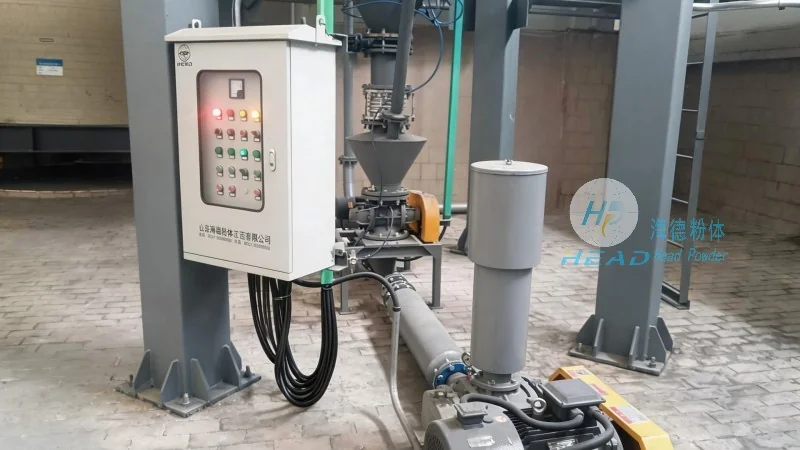
The core components of a pneumatic conveying system include the hopper, feeder, air compressor, pipeline, and receiver. Each component plays a vital role in the overall operation. The hopper is designed to store the inorganic salt and provide a consistent feed to the feeder. For bulk materials like inorganic salts, a well-designed hopper with proper venting and level indicators is essential to prevent material bridging or segregation. The feeder, typically a rotary valve or a star feeder, controls the material flow rate into the pipeline. Selection of the feeder type depends on the material's flow characteristics and the required discharge rate. The air compressor supplies the necessary air pressure to transport the material through the pipeline. Different compressor types, such as positive displacement or centrifugal, are chosen based on the system's pressure and flow requirements. The pipeline design, including diameter, material, and layout, must be optimized to minimize pressure drop and ensure smooth material transport. Finally, the receiver collects the conveyed material and may include features like a dust collection system to maintain environmental compliance.
System Sizing and Flow Rate Calculation
Accurate sizing of the pneumatic conveying system is crucial for optimal performance. The flow rate of the inorganic salt must be determined based on production capacity and process requirements. HeadPowder uses advanced calculation methods, considering the material's bulk density, air velocity, and pipeline length, to estimate the required air volume and pressure. This calculation ensures that the system can handle the desired throughput without excessive energy consumption or pressure losses. Proper sizing also prevents overloading the compressor or pipeline, which can lead to operational inefficiencies or equipment damage.
Material Handling Challenges and Solutions
Inorganic salts often present unique handling challenges, such as high abrasiveness or corrosive properties, which can affect system components. Abrasive materials may cause wear on the hopper, feeder, and pipeline, requiring the use of wear-resistant materials like stainless steel or special coatings. Corrosive salts can damage metal components, necessitating the selection of corrosion-resistant materials or protective coatings. HeadPowder addresses these challenges by incorporating appropriate materials and design features. For example, using lined pipelines or corrosion-resistant alloys can extend the system's lifespan and reduce maintenance costs. Additionally, the system may include dust suppression measures to control airborne particles and ensure compliance with environmental regulations.
Energy Efficiency and Cost Optimization
Energy efficiency is a key consideration in modern industrial systems, as it directly impacts operational costs and sustainability. HeadPowder designs systems with energy-saving features, such as variable frequency drives (VFDs) for the air compressor, which adjust the air pressure and flow rate based on actual demand. This reduces unnecessary energy consumption during low-load periods. The pipeline layout is optimized to minimize pressure drop, reducing the energy required to transport the material. Additionally, the use of efficient feeders and hoppers helps maintain consistent material flow, preventing energy waste from system fluctuations. By focusing on energy efficiency, HeadPowder helps clients achieve cost savings while reducing their environmental footprint.
Installation and Commissioning
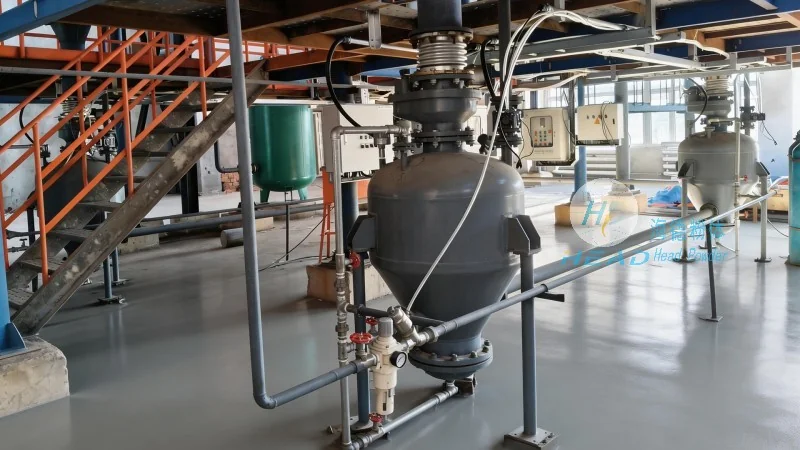
Proper installation and commissioning are critical to ensure the pneumatic conveying system operates as designed. HeadPowder provides comprehensive installation services, including on-site assembly and testing. The installation process involves careful alignment of components, proper sealing to prevent air leaks, and verification of system performance. Commissioning includes system start-up procedures, performance testing, and adjustments to optimize operation. HeadPowder's experienced technicians ensure that the system meets all performance specifications before final acceptance. This thorough approach minimizes downtime and ensures the system operates reliably from the start.
Maintenance and Long-Term Performance
Regular maintenance is essential to maintain the performance and longevity of the pneumatic conveying system. HeadPowder recommends a preventive maintenance schedule that includes inspections of key components, such as the hopper, feeder, and pipeline, for signs of wear or damage. Filter replacement and air compressor maintenance are also critical to ensure system efficiency. By following a regular maintenance plan, clients can extend the system's lifespan and avoid costly repairs or downtime. HeadPowder offers maintenance services to support clients in maintaining their systems, providing technical support and spare parts as needed.