

How to Design a Reasonable Quartz Powder Pneumatic Conveying System Plan?
When designing a pneumatic conveying system for quartz powder, several critical factors must be considered to ensure efficiency, reliability, and cost-effectiveness. The process involves selecting appropriate equipment, optimizing material flow, and adhering to industry standards. This guide outlines key considerations for developing a well-designed system tailored to the unique properties of quartz powder.
Key Design Considerations for Quartz Powder Pneumatic Conveying
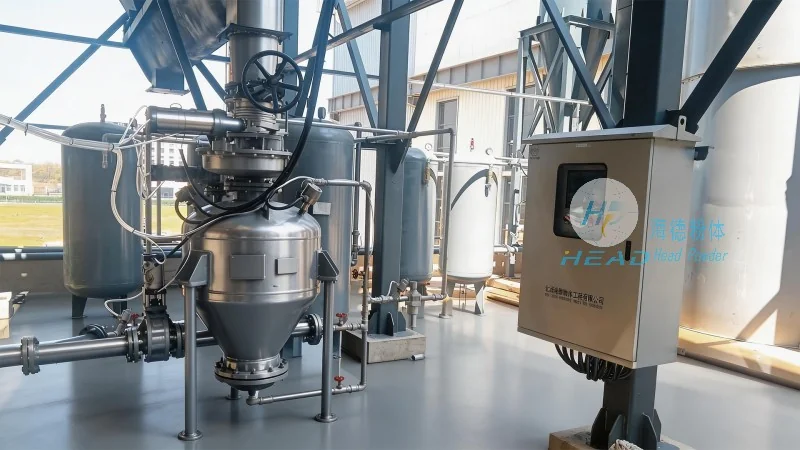
Quartz powder, known for its fine particle size and abrasive nature, requires specialized handling to prevent system wear and ensure consistent performance. The design process begins with assessing the material's characteristics, such as particle size distribution, moisture content, and bulk density. These parameters directly impact the choice of conveying method—whether it's a dilute phase or dense phase system. For quartz powder, a dilute phase system is often preferred due to its ability to handle fine particles and minimize blockages. The system design must also account for the material's dust generation potential, necessitating effective dust control measures to maintain air quality and comply with environmental regulations.
Equipment Selection for Quartz Powder Conveying
HeadPowder, a leading provider of pneumatic conveying solutions, offers a range of equipment tailored to the demands of quartz powder handling. The primary components of a pneumatic conveying system include the material feed device, air compressor, conveying line, and material discharge unit. For quartz powder, a rotary valve or star feeder is commonly used to feed material into the system, ensuring a consistent flow rate. The air compressor must be capable of delivering sufficient air pressure and volume to transport the powder through the pipeline. HeadPowder's air compressors are engineered to provide stable performance, minimizing fluctuations that could affect material transport. The conveying line, typically made of stainless steel or other corrosion-resistant materials, is designed to withstand the abrasive nature of quartz powder, reducing wear and extending system lifespan. The discharge unit, such as a rotary valve or baghouse, ensures safe and controlled material release, preventing dust emissions and maintaining operational safety.
System Layout and Flow Optimization
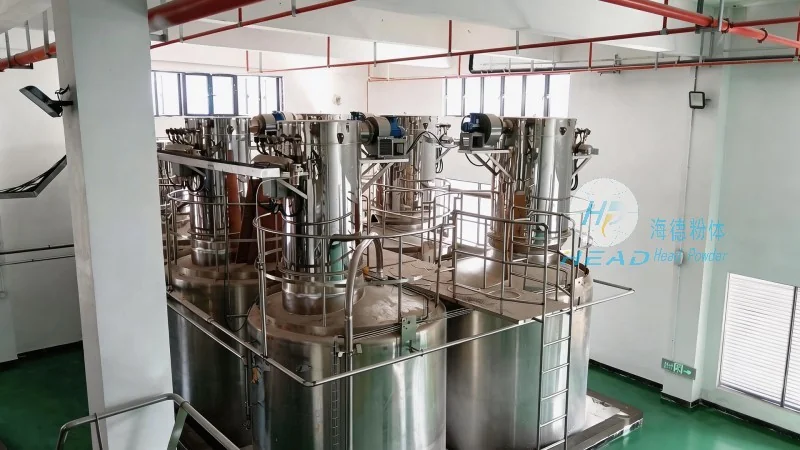
The layout of the pneumatic conveying system plays a crucial role in its efficiency. A well-designed layout minimizes pipeline length, reduces pressure drops, and optimizes material transport. For quartz powder, the system should be designed with straight sections and minimal bends to avoid particle accumulation and blockages. The use of pulse jet cleaning or other maintenance strategies is essential to keep the pipeline clear and prevent system downtime. HeadPowder engineers employ advanced computational fluid dynamics (CFD) tools to simulate material flow and optimize system design, ensuring that the conveying line dimensions and air velocity are appropriate for the specific quartz powder characteristics. This approach helps in reducing energy consumption and improving overall system performance.
Integration with Production Processes
Quartz powder pneumatic conveying systems are often integrated into larger production lines, requiring seamless coordination with other equipment. The system must be designed to interface with existing processes, such as grinding, mixing, or packaging, to ensure smooth material transfer. HeadPowder provides customized solutions that align with the client's production workflow, minimizing disruptions and maximizing productivity. The integration process involves careful consideration of material flow rates, pressure requirements, and safety protocols. By working closely with clients, HeadPowder ensures that the conveying system complements the overall production strategy, enhancing operational efficiency and reducing downtime.
Maintenance and Longevity of Quartz Powder Conveying Systems
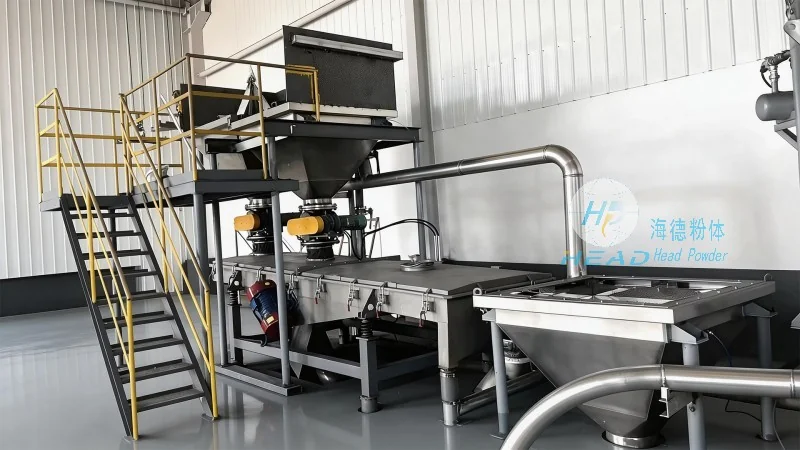
Proper maintenance is critical to the longevity and reliability of quartz powder pneumatic conveying systems. Regular inspections and maintenance schedules help identify potential issues before they escalate into major problems. HeadPowder recommends routine checks of the air compressor, conveying line, and material feed devices to ensure optimal performance. The abrasive nature of quartz powder can cause wear on system components, so using high-quality, wear-resistant materials is essential. HeadPowder's equipment is designed with durable components that resist wear, extending the system's lifespan and reducing maintenance costs. Additionally, implementing preventive maintenance measures, such as cleaning the pipeline and replacing worn parts, helps maintain system efficiency and ensures consistent material transport. By adhering to a regular maintenance schedule, clients can maximize the operational life of their quartz powder pneumatic conveying system and minimize downtime.
Conclusion: Designing an Efficient Quartz Powder Pneumatic Conveying System
Designing a reasonable quartz powder pneumatic conveying system requires a comprehensive approach that considers material properties, equipment selection, system layout, and maintenance. HeadPowder, with its expertise in pneumatic conveying solutions, provides tailored systems that meet the specific needs of quartz powder handling. By focusing on efficiency, reliability, and cost-effectiveness, HeadPowder helps clients achieve optimal performance in their production processes. The key to a successful system lies in understanding the unique characteristics of quartz powder and implementing design strategies that address these challenges. With proper planning and execution, a well-designed pneumatic conveying system can significantly improve material handling efficiency, reduce operational costs, and enhance overall productivity.