

Operation Process and Working Principle of Magnesia Powder Conveying Machine
For industrial applications involving the handling of magnesia powder, efficient and reliable conveying systems are essential to ensure smooth production processes. The magnesia powder conveying machine, a specialized piece of equipment designed for transporting fine powders like magnesia, plays a critical role in various manufacturing and processing industries. This article provides an overview of the operation process and working principle of such machines, highlighting key components and the steps involved in their operation.
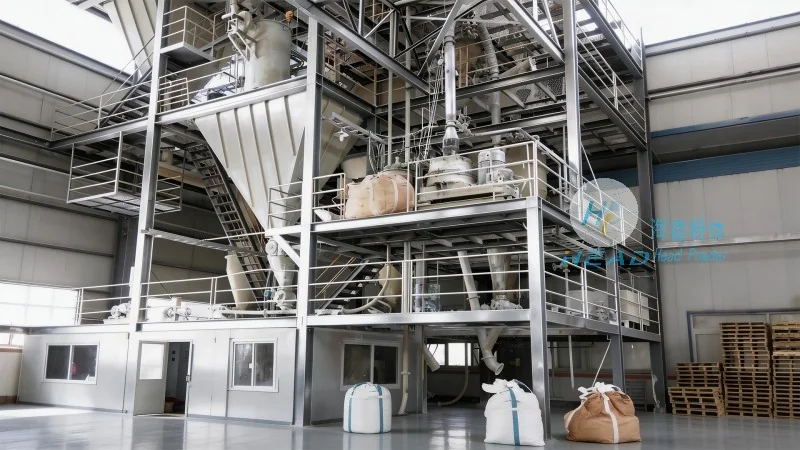
Key Components of Magnesia Powder Conveying Machines
The magnesia powder conveying machine typically consists of several core components that work in tandem to facilitate the movement of powder materials. These components include a hopper for material storage, a conveyor system (such as a screw or pneumatic conveyor), a control panel for operation, and a discharge outlet for the final delivery of the powder. The hopper is designed to hold the magnesia powder and ensure a consistent feed to the conveyor system, preventing material buildup and ensuring steady flow. The conveyor mechanism, whether mechanical or pneumatic, is responsible for transporting the powder from the hopper to the discharge point. The control panel allows operators to adjust parameters such as speed, pressure, and flow rate to optimize the conveying process. Finally, the discharge outlet is where the magnesia powder is released for further processing or use.
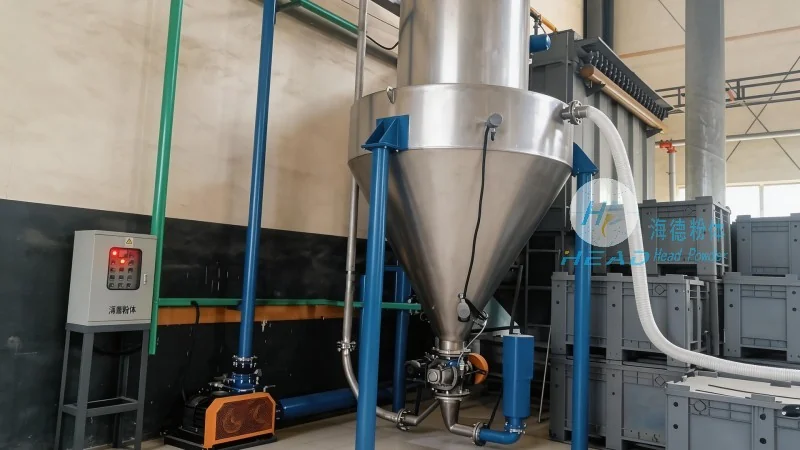
Working Principle of Magnesia Powder Conveying Machines
The working principle of a magnesia powder conveying machine is based on the principles of fluidization and air movement, which are crucial for handling fine powders without clogging or degradation. In a typical pneumatic conveying system, the machine uses compressed air to create a flow of air that lifts and transports the magnesia powder particles. The hopper feeds the powder into the conveyor line, and the air flow, generated by a blower or compressor, carries the powder through the system. The air velocity is carefully controlled to ensure that the powder particles are suspended in the air stream without settling or aggregating. This method is particularly effective for magnesia powder, which is prone to caking and bridging in traditional gravity or mechanical conveyors. The pneumatic system also allows for the transport of the powder over longer distances and through vertical or horizontal paths, making it versatile for various industrial setups.
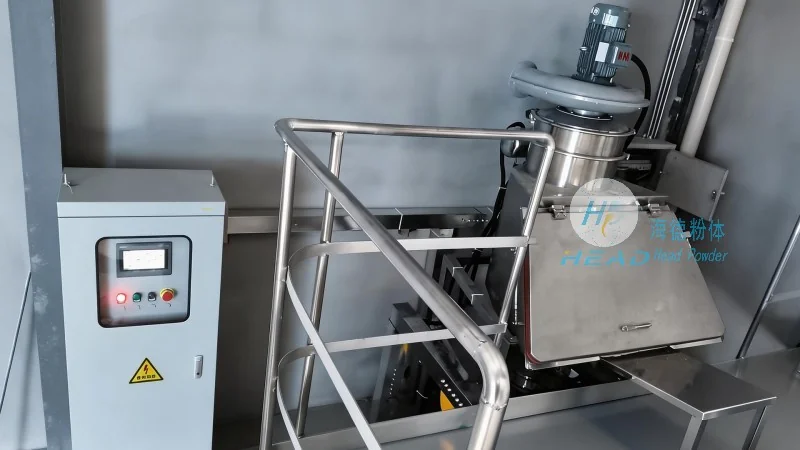
Operation Process of Magnesia Powder Conveying Machines
The operation process of a magnesia powder conveying machine involves several sequential steps that ensure efficient and safe material handling. First, the magnesia powder is loaded into the hopper, which should be filled to an appropriate level to maintain a consistent feed rate. The control panel is then used to start the conveyor system, which may involve activating the air compressor or blower to generate the necessary air flow. As the machine operates, the powder is drawn from the hopper and carried through the conveyor line to the discharge outlet. During this process, the air flow is monitored to ensure it remains within optimal parameters, preventing issues such as excessive pressure or low flow that could lead to material blockages. The discharge outlet is positioned to direct the powder to the next stage of the production process, such as a mixer, storage silo, or processing unit. Operators may need to adjust the speed or pressure settings during operation to accommodate changes in powder volume or to maintain consistent flow rates. Regular maintenance checks are also part of the operation process to ensure the machine remains in good working condition and to prevent downtime due to equipment failure.
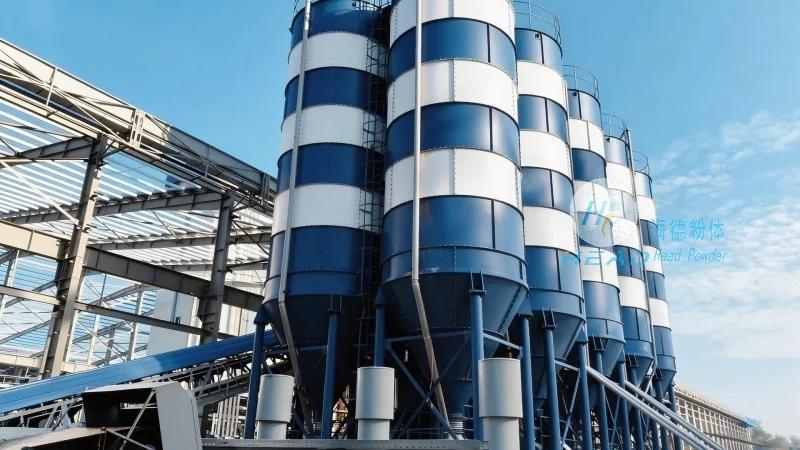
Benefits and Applications of Magnesia Powder Conveying Machines
The use of magnesia powder conveying machines offers several benefits for industries that handle fine powders. These machines provide a clean and dust-free method of transporting magnesia powder, which is important for maintaining product quality and preventing contamination. The pneumatic system also allows for the transport of powder over long distances without the need for multiple transfer points, reducing the risk of material loss or degradation. Additionally, the machines are designed to handle varying particle sizes and moisture content in magnesia powder, making them suitable for a wide range of applications. Industries that benefit from magnesia powder conveying machines include refractory manufacturing, where magnesia is used to produce high-temperature resistant materials, and chemical processing, where magnesia is used as a raw material in various chemical reactions. The efficiency and reliability of these machines contribute to improved production throughput and reduced operational costs.