

Common ABS Particle Conveying Methods: An Overview of Pneumatic Conveying for ABS Granules
When it comes to handling ABS (Acrylonitrile Butadiene Styrene) granules in industrial applications, selecting the right conveying method is crucial for efficiency, cost-effectiveness, and material integrity. ABS is widely used in manufacturing due to its excellent impact resistance, chemical resistance, and processability. However, the nature of ABS granules—often fine, abrasive, or with specific flow characteristics—requires specialized conveying solutions. This article explores common ABS particle conveying methods, with a focus on pneumatic conveying as a key approach.
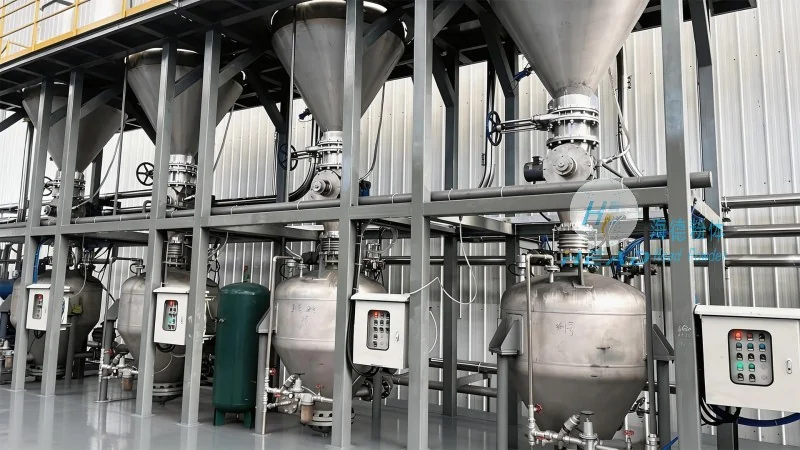
Pneumatic Conveying for ABS Granules: How It Works
Pneumatic conveying uses air or other gases to transport solid materials like ABS granules through a pipeline system. This method is particularly effective for ABS because it minimizes material degradation, reduces contamination risks, and allows for flexible system designs. The process typically involves a hopper or feeder that feeds the ABS granules into a pipeline, where they are carried by a stream of air. There are two main types of pneumatic conveying: pressure and vacuum systems.
Pressure Pneumatic Conveying Systems
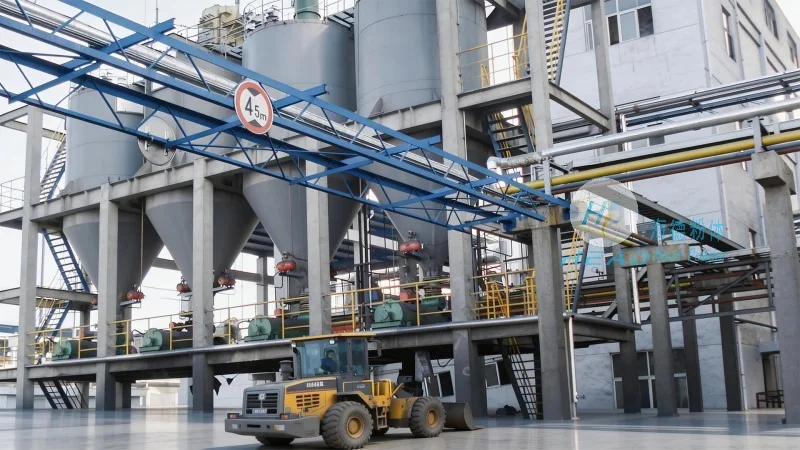
Pressure pneumatic conveying systems operate by generating positive pressure in the pipeline, pushing the material forward. These systems are suitable for long-distance or high-volume conveying of ABS granules. A typical setup includes a positive displacement blower or compressor that creates the pressure, a hopper to store the granules, and a series of pipelines with inlets and outlets. The pressure system ensures consistent flow rates and can handle abrasive or sticky ABS granules without clogging. For example, in manufacturing facilities producing ABS components, pressure pneumatic conveying can transport granules from storage silos to processing machines efficiently.
Vacuum Pneumatic Conveying Systems
Vacuum pneumatic conveying systems, on the other hand, use negative pressure to draw the material into the pipeline. This method is ideal for shorter distances or when the material needs to be collected from multiple points. The system includes a vacuum pump, a hopper, and a pipeline with collection points. Vacuum conveying is gentler on the material, reducing the risk of particle breakage or degradation. It is commonly used in applications where ABS granules are collected from a production line or need to be transferred from a container to a processing unit. The gentle nature of vacuum systems makes them suitable for delicate ABS granules that require minimal stress during transport.
Advantages of Pneumatic Conveying for ABS Granules
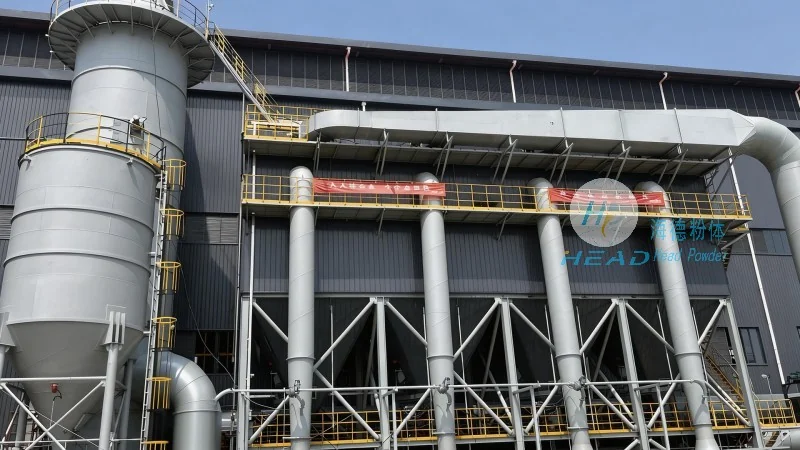
Compared to traditional mechanical conveying methods like screw conveyors or belt conveyors, pneumatic conveying offers several advantages for ABS granules. First, it eliminates the need for moving parts in contact with the material, reducing wear and tear and maintenance costs. ABS is an abrasive material, and mechanical conveyors can cause friction that leads to particle degradation or contamination. Pneumatic systems, by contrast, keep the material suspended in air, minimizing direct contact and preserving the quality of the granules. Second, pneumatic conveying allows for enclosed systems, which prevent dust emissions and ensure a clean working environment. This is particularly important in industries where ABS is used for medical or food-related applications, where contamination control is critical. Third, the flexibility of pneumatic systems enables easy integration with existing production lines. Companies like Shandong HeadPowder Engineering Co., Ltd. specialize in designing and manufacturing pneumatic conveying systems tailored to the specific needs of ABS manufacturers, ensuring optimal performance and reliability.
Considerations for Choosing the Right Conveying Method
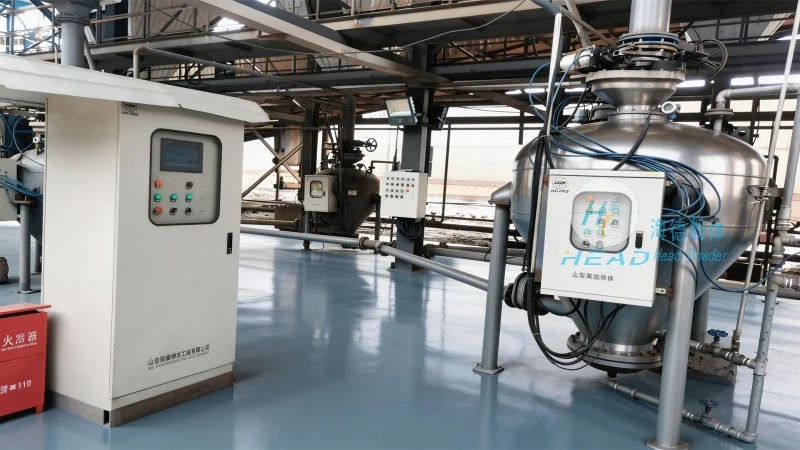
When selecting a conveying method for ABS granules, several factors should be considered. The first is the distance and volume of material to be transported. For long distances or high volumes, pressure pneumatic conveying is often the best choice due to its ability to handle large quantities efficiently. For shorter distances or when the material needs to be collected from multiple points, vacuum systems may be more suitable. The second factor is the nature of the ABS granules themselves. If the granules are fine or have a tendency to clog, a pressure system with a high-pressure blower might be necessary to maintain flow. Conversely, if the granules are delicate and prone to breakage, a vacuum system with a lower suction rate is preferable. The third consideration is the overall system cost and maintenance requirements. While pneumatic systems may have higher initial investment costs compared to mechanical conveyors, they offer long-term savings due to lower maintenance and higher efficiency. Shandong HeadPowder Engineering Co., Ltd. provides comprehensive solutions, including system design, installation, and maintenance support, to help ABS manufacturers choose the most appropriate conveying method for their operations.
Conclusion: Optimizing ABS Conveying with Pneumatic Systems
In conclusion, pneumatic conveying is a highly effective method for transporting ABS granules in industrial settings. Its ability to handle abrasive materials, maintain material integrity, and provide flexible system designs makes it a preferred choice for many manufacturers. By understanding the different types of pneumatic systems—pressure and vacuum—and considering factors such as distance, material properties, and system costs, companies can select the most suitable conveying method for their ABS production processes. Shandong HeadPowder Engineering Co., Ltd., with its expertise in pneumatic conveying technology, offers tailored solutions to meet the specific needs of ABS manufacturers, ensuring efficient and reliable material handling. Whether for long-distance transport or gentle collection, pneumatic conveying provides a robust and efficient solution for ABS granules, supporting the smooth operation of manufacturing facilities.