

Operation Process and Working Principle of Lithium-Ion Battery Nanomaterial Powder Conveying System
Shandong HeadPowder Engineering Co., Ltd., located in Shandong, China, specializes in the design and manufacturing of advanced powder conveying systems tailored for the lithium-ion battery industry. The lithium-ion battery nanomaterial powder conveying system is a critical component in the production line, ensuring efficient and reliable transport of nanomaterial powders such as graphite, silicon, and other active materials. This system integrates precision engineering with robust control mechanisms to meet the stringent requirements of modern battery manufacturing processes.
Key Components and Their Functions
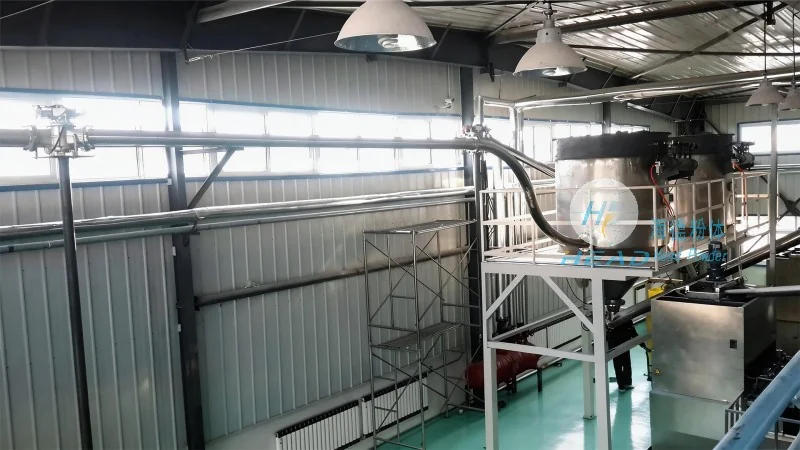
The lithium-ion battery nanomaterial powder conveying system comprises several key components, each playing a vital role in the overall operation. The primary components include a hopper for material storage, a feeding mechanism to control the flow rate, a conveying pipeline system (often using pneumatic or mechanical methods), and a control unit for real-time monitoring and adjustment. The hopper is designed with a large capacity to accommodate bulk quantities of nanomaterial powders, reducing the frequency of material replenishment. The feeding mechanism, typically a rotary valve or screw feeder, regulates the material flow into the conveying pipeline, ensuring a consistent and controlled feed rate. The conveying pipeline, made from materials resistant to corrosion and wear, transports the powders from the hopper to the processing equipment. The control unit, equipped with sensors and a user interface, monitors parameters like pressure, flow rate, and material level, allowing operators to adjust settings dynamically to maintain optimal performance.
Operation Process: Step-by-Step Workflow
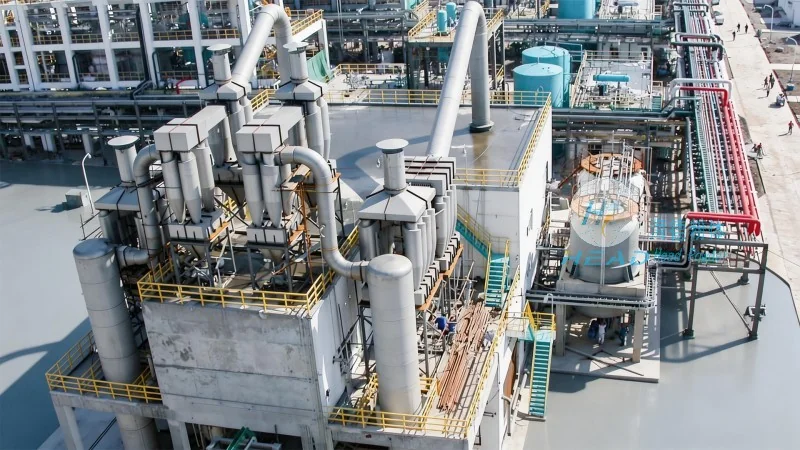
The operation of the lithium-ion battery nanomaterial powder conveying system follows a systematic workflow to ensure efficient material handling. The process begins with material loading into the hopper. Once the hopper is filled, the feeding mechanism activates, and the material is gradually released into the conveying pipeline. The control unit continuously monitors the system, adjusting the feeding rate based on real-time feedback from sensors. As the material moves through the pipeline, it is transported to the processing equipment, such as mixing or coating machines, where it is further processed into battery components. The system maintains a stable flow rate throughout the process, minimizing material degradation and ensuring consistent product quality. At the end of the conveying cycle, the hopper is refilled, and the system resumes operation, maintaining a continuous production flow.
Working Principle: How the System Ensures Precision and Efficiency
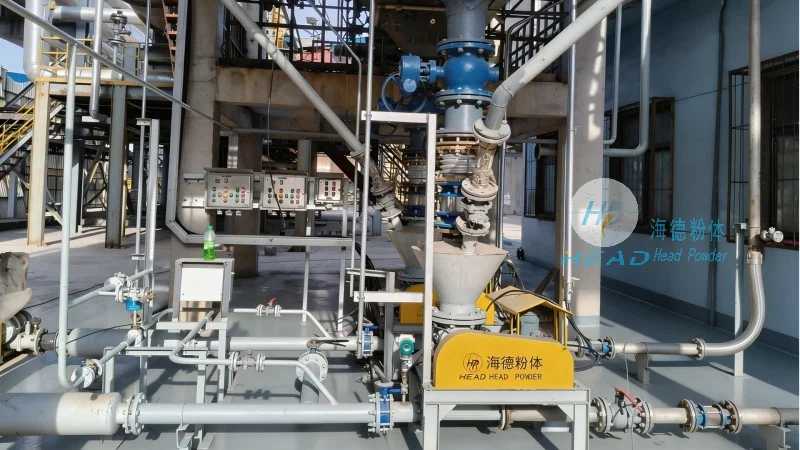
The working principle of the lithium-ion battery nanomaterial powder conveying system is based on the integration of mechanical and pneumatic technologies to achieve precise material transport. The system operates by creating a controlled pressure differential within the conveying pipeline. For pneumatic conveying systems, compressed air is used to generate the necessary force to move the powders through the pipeline. The air flow is regulated to maintain a consistent velocity, preventing material agglomeration and ensuring uniform distribution. Mechanical conveying systems, such as screw or belt conveyors, rely on rotating components to push the material forward. The system's control unit plays a crucial role in maintaining the pressure and flow rate, ensuring that the material is transported without excessive pressure or velocity that could cause degradation. Additionally, the system incorporates safety features, such as pressure relief valves and overload protection, to prevent equipment damage and ensure operator safety. The combination of these principles ensures that the lithium-ion battery nanomaterial powder conveying system operates with high precision, efficiency, and reliability, meeting the demands of modern battery manufacturing.
Benefits and Applications in Lithium-Ion Battery Production
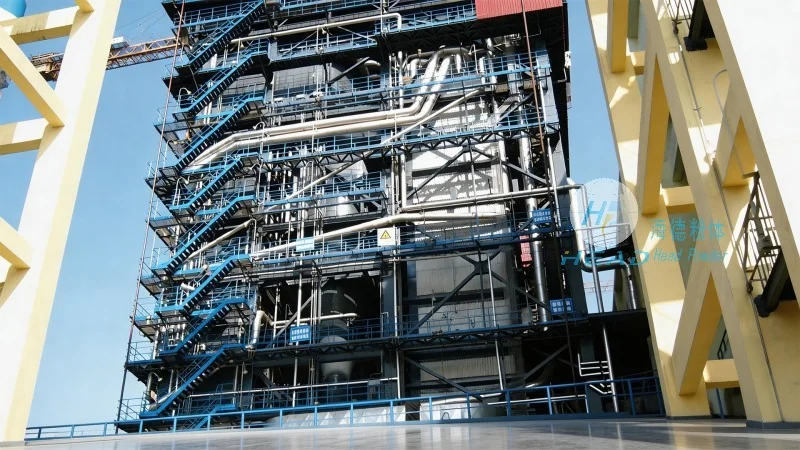
The lithium-ion battery nanomaterial powder conveying system offers several benefits that enhance the efficiency and quality of battery production. By providing a reliable and consistent method of transporting nanomaterial powders, the system reduces downtime and improves production throughput. The precise control over material flow ensures that the active materials are evenly distributed, leading to better battery performance and longer cycle life. The system's robust design and corrosion-resistant materials make it suitable for handling various nanomaterials, including graphite, silicon, and lithium compounds, which are critical for modern battery technologies. Additionally, the system's integration with other production equipment allows for seamless material transfer, streamlining the overall manufacturing process. The benefits of this system are particularly evident in high-volume battery production facilities, where consistent material handling is essential for maintaining quality standards and meeting market demands.