

Common Molybdenum Oxide Conveying Methods: An Overview of Pneumatic Conveying for Molybdenum Oxide
Molybdenum oxide, a vital industrial material utilized in catalysts, lubricants, and chemical processes, necessitates efficient and reliable conveying systems to support smooth production workflows. The selection of a conveying method depends on factors such as material properties, production scale, and operational environment. This article explores common molybdenum oxide conveying methods, with a focus on pneumatic conveying, which has emerged as a preferred solution for many industries due to its advantages in handling fine powders and maintaining product quality.
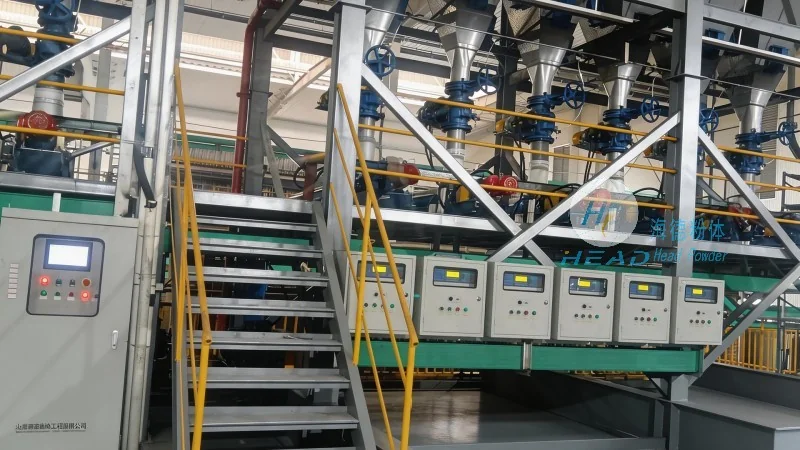
Pneumatic Conveying: A Preferred Solution for Molybdenum Oxide Transport
Pneumatic conveying, also known as air conveying, is a method that utilizes compressed air to transport molybdenum oxide particles through a pipeline system. This technique is particularly suitable for molybdenum oxide due to its fine particle size and sensitivity to contamination. The process involves creating a flow of air that carries the powder from the source to the destination, often with minimal contact with external surfaces, thus preserving the material's purity and reducing the risk of degradation.
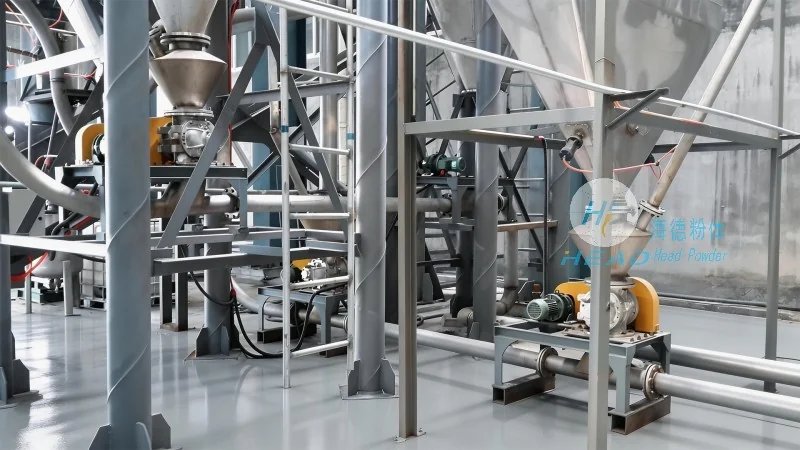
The system typically consists of a hopper, a blower or compressor, a pipeline network, and a receiver. The molybdenum oxide is fed into the hopper, and the compressed air is introduced to create a positive or negative pressure system. Positive pressure systems push the air and material through the pipeline, while negative pressure systems draw the material into the air stream. For molybdenum oxide, positive pressure systems are commonly used as they offer better control over the material flow and can handle higher material loads.
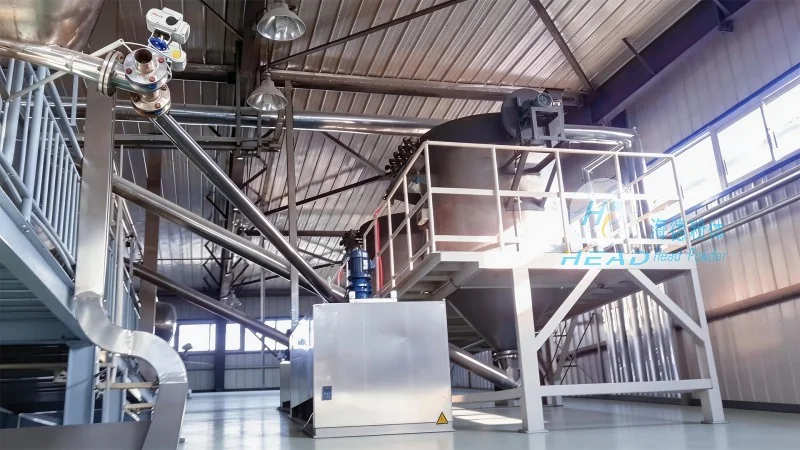
Advantages of Pneumatic Conveying for Molybdenum Oxide
There are several key advantages of using pneumatic conveying for molybdenum oxide transport. Firstly, it provides a closed system, which helps prevent dust contamination and environmental pollution. This is crucial for molybdenum oxide, as it is often used in applications where purity is essential. Secondly, pneumatic conveying allows for the transportation of molybdenum oxide over long distances without the need for multiple transfer points, reducing the risk of material loss and contamination. Thirdly, the system can be easily integrated with other production equipment, such as mixers and reactors, enabling seamless material handling. Additionally, pneumatic conveying is generally more energy-efficient compared to other methods like bucket elevators or belt conveyors, especially for fine powders like molybdenum oxide.
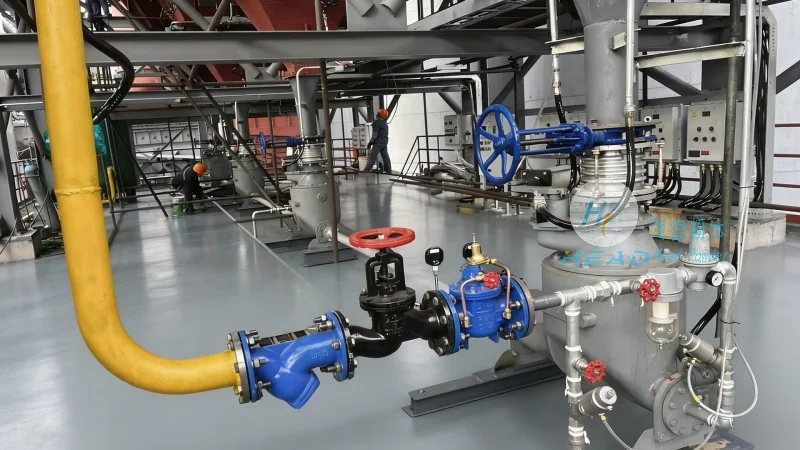
Considerations for Implementing Pneumatic Conveying Systems
While pneumatic conveying offers many benefits, there are important considerations to ensure successful implementation. The first consideration is the particle size and moisture content of the molybdenum oxide. Fine particles are more prone to agglomeration and can cause blockages in the pipeline, so proper drying and size reduction may be necessary. The second consideration is the system's air pressure and flow rate. The appropriate pressure and flow must be determined based on the material's properties and the distance to be covered. Incorrect settings can lead to poor conveying efficiency or equipment damage. Thirdly, the material's abrasiveness and corrosiveness should be evaluated. Molybdenum oxide can be abrasive, so the pipeline and equipment must be made of materials that can withstand wear and tear. Finally, the system's maintenance and cleaning procedures are critical to prevent material buildup and ensure long-term operation.