

Operation Process and Working Principle of Calcium Carbide Dust Gas-Pneumatic Conveying System Equip
Calcium carbide dust, a byproduct of industrial processes, requires efficient handling and transportation. The gas-pneumatic conveying system is a specialized solution designed to manage this material safely and effectively. This article explores the operational workflow and underlying principles of such a system, highlighting its components, operational sequence, and technical mechanisms.
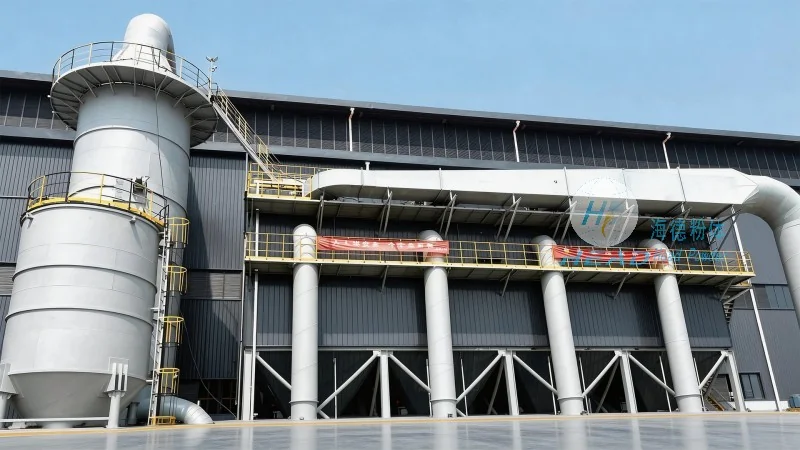
System Overview and Key Components
The calcium carbide dust gas-pneumatic conveying system comprises several critical components that work in tandem to ensure reliable material transport. These include a dust collection hopper, a rotary airlock feeder, a high-pressure blower or compressor, a pipeline network, and a receiving silo or storage unit. Each component plays a specific role in the overall process, contributing to the system's efficiency and safety.
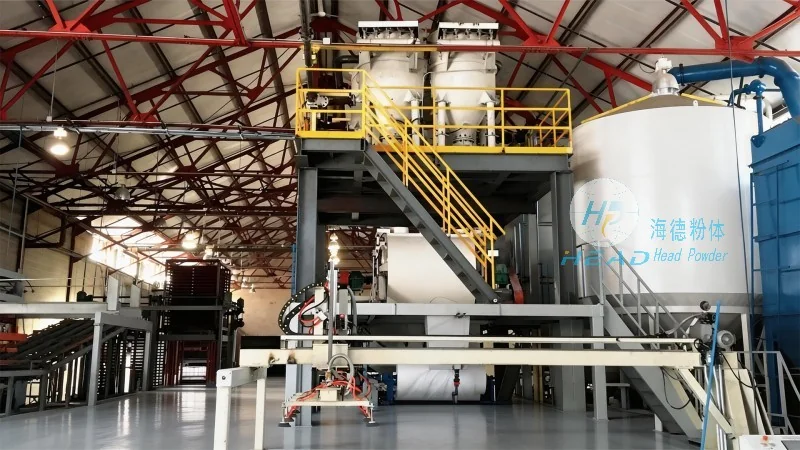
Operational Process: Step-by-Step Execution
The operation of the gas-pneumatic conveying system for calcium carbide dust follows a systematic sequence. Initially, the dust is collected in the hopper, where it accumulates before being fed into the system. The rotary airlock feeder then regulates the flow of dust into the pipeline, preventing backflow and maintaining consistent material delivery. Simultaneously, the high-pressure blower generates the necessary airflow to move the dust particles through the pipeline. As the dust travels, it is propelled by the air current, and the system ensures that the material reaches the receiving silo without clogging or loss.
Working Principle: How the System Transmits Material
The core principle of gas-pneumatic conveying is the use of compressed air to transport solid particles. In this system, the high-pressure blower creates a pressure differential between the hopper and the receiving silo. This differential drives the dust particles forward through the pipeline. The air velocity is maintained at a level sufficient to keep the dust in suspension, preventing settling or blockages. The system's design, including the diameter and length of the pipeline, as well as the air pressure, is optimized to achieve the desired conveying capacity and efficiency.
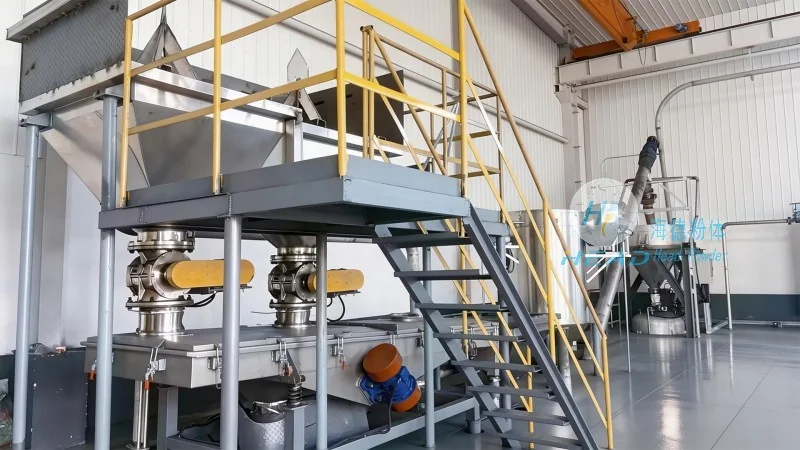
Company Information: Shandong HeadPowder Engineering Co., Ltd.
HeadPowder, a leading provider in the field, specializes in engineering and manufacturing advanced material handling solutions. With a focus on innovation and quality, the company has developed systems tailored to the unique challenges of calcium carbide dust management. Based in Shandong, China, HeadPowder leverages years of industry experience to deliver reliable and efficient gas-pneumatic conveying systems that meet the demands of modern industrial applications.