

Operation Process and Working Principle of Polyethylene Pellet Pneumatic Conveying System Equipment
The polyethylene pellet pneumatic conveying system is a specialized industrial equipment designed for the efficient and safe transportation of polyethylene pellets. This system is widely used in the plastics manufacturing industry, where the reliable movement of raw materials is crucial for production efficiency and quality control. The equipment operates by utilizing air as the conveying medium, enabling the transport of polyethylene pellets from one location to another within a production facility.
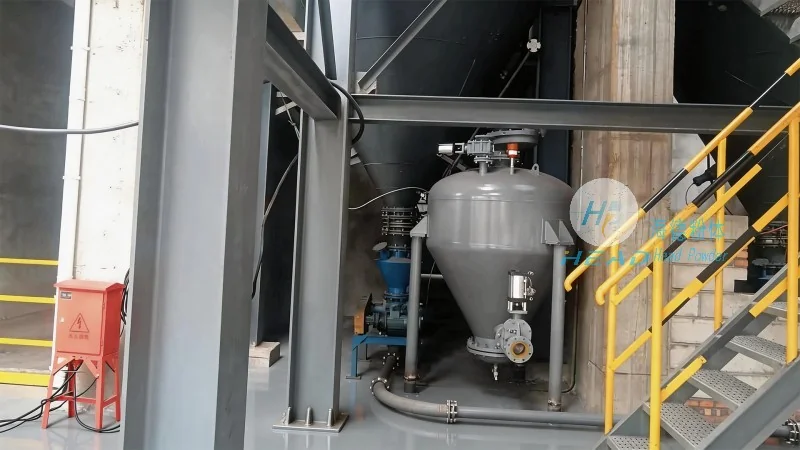
Company Overview: Shandong HeadPowder Engineering Co., Ltd.
HeadPowder, a leading manufacturer in the field of material handling and conveying systems, specializes in providing high-quality pneumatic conveying solutions. With a strong commitment to innovation and customer satisfaction, the company has established itself as a trusted partner for businesses in the plastics sector. HeadPowder's products are engineered to meet the demanding requirements of modern manufacturing processes, ensuring durability, efficiency, and safety in operation. The company's headquarters is located in Shandong, China, where it leverages advanced technology and skilled expertise to develop cutting-edge conveying systems.
Key Components of the Pneumatic Conveying System
The polyethylene pellet pneumatic conveying system consists of several essential components that work in tandem to facilitate the material transport. These components include the hopper, which serves as the storage and feeding unit for the polyethylene pellets; the air compressor, responsible for generating the necessary air pressure to move the material; the pipeline system, which forms the path for the conveying process; and the control unit, which regulates the operation of the system to ensure smooth and controlled movement of the pellets. Each component is carefully designed and manufactured to withstand the demands of continuous operation and to maintain the integrity of the polyethylene pellets during transport.
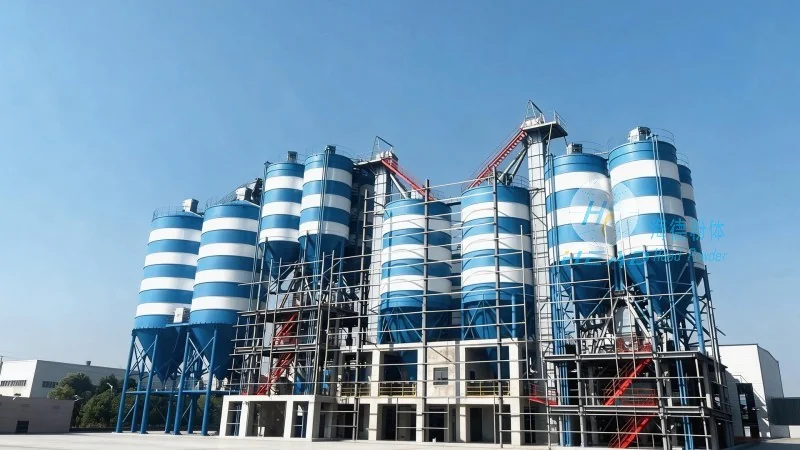
Operation Process of the Pneumatic Conveying System
The operation of the polyethylene pellet pneumatic conveying system begins with the loading of polyethylene pellets into the hopper. The hopper is equipped with a feeding mechanism, such as a rotary valve or a screw feeder, which controls the flow rate of the pellets into the system. Once the pellets are in the hopper, the air compressor is activated, generating a high-pressure air stream. This air stream is then introduced into the pipeline system, creating a flow that propels the pellets forward. The pellets are carried along the pipeline by the air current, moving from the hopper to the discharge point, which may be a storage silo, a processing machine, or another location within the production facility. The control unit continuously monitors the system parameters, such as air pressure, flow rate, and pellet level, to ensure optimal performance and prevent any potential issues.
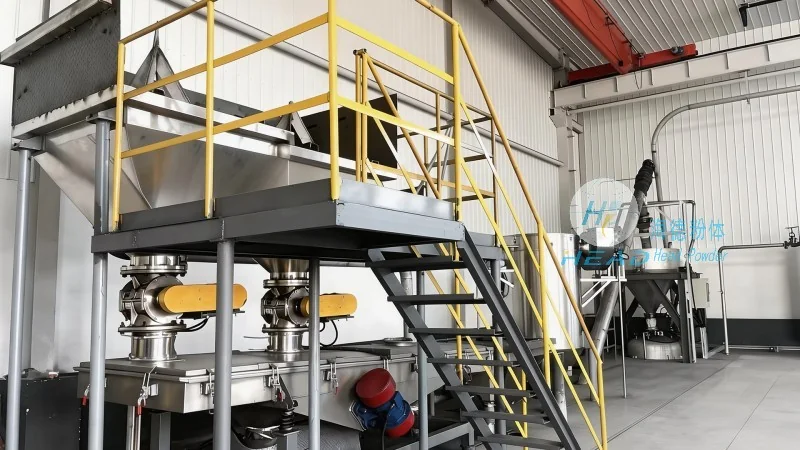
Working Principle of the Pneumatic Conveying System
The working principle of the polyethylene pellet pneumatic conveying system is based on the principles of fluid dynamics and particle transport. The system operates by creating a pressure differential between the inlet and outlet of the pipeline. The air compressor generates a high-pressure air flow that enters the pipeline, while the outlet is maintained at a lower pressure or is under suction. This pressure difference causes the polyethylene pellets to be entrained by the air stream and transported through the pipeline. The pellets are carried in a suspended state, with the air flow providing the necessary momentum to overcome the gravitational forces and any frictional resistance within the pipeline. The system is designed to maintain a consistent air flow and pressure, ensuring that the pellets are conveyed efficiently without causing damage or degradation. The control unit plays a critical role in maintaining the pressure differential and adjusting the air flow rate as needed to optimize the conveying process.
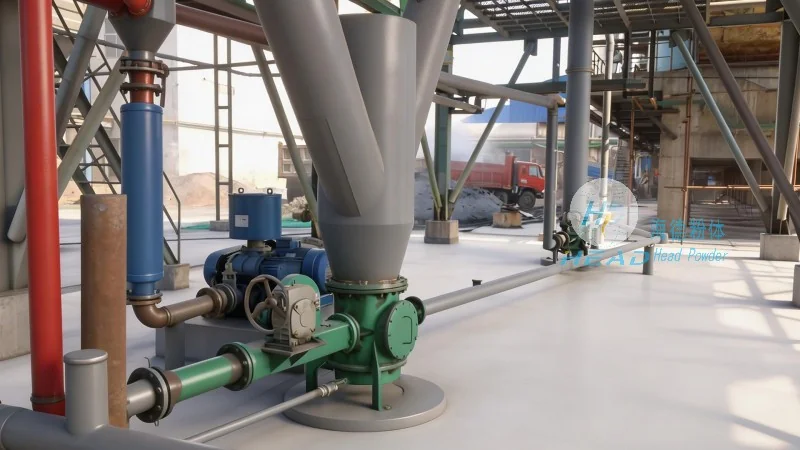
Advantages of Using Polyethylene Pellet Pneumatic Conveying Systems
Implementing a polyethylene pellet pneumatic conveying system offers several advantages for industrial applications. One of the primary benefits is the ability to transport materials over long distances without the need for mechanical conveyors, which can be costly and space-consuming. The system also provides a clean and dust-free environment, as the pellets are enclosed within the pipeline, preventing contamination and reducing the risk of dust exposure for operators. Additionally, the system is highly flexible, allowing for easy reconfiguration and adaptation to changing production requirements. The use of air as the conveying medium also minimizes the wear and tear on the equipment, reducing maintenance costs and extending the lifespan of the system. Overall, the polyethylene pellet pneumatic conveying system enhances production efficiency, improves material handling safety, and contributes to cost savings in the long run.
Applications and Industries Served
The polyethylene pellet pneumatic conveying system is widely used in various industries that rely on the processing of polyethylene pellets. These industries include plastic manufacturing, where the system is used to transport raw materials to processing machines such as extruders and blow molding equipment. The system is also utilized in recycling facilities, where it helps in the transport of recycled polyethylene pellets from storage to processing lines. Additionally, the system is employed in chemical and petrochemical industries, where the handling of polyethylene pellets is part of larger material processing operations. The versatility of the system makes it suitable for a wide range of applications, from small-scale production lines to large-scale industrial facilities.