

Operating Process and Working Principle of Oxidized Iron Pneumatic Conveying System Equipment
At Shandong HeadPowder Engineering Co., Ltd., we specialize in the design, manufacturing, and implementation of advanced pneumatic conveying systems tailored for the efficient handling of oxidized iron. Our systems are engineered to ensure reliable and safe material transport, addressing the unique challenges associated with oxidized iron's physical properties and processing requirements. This article provides a detailed overview of the operational process and underlying principles that govern the functionality of our pneumatic conveying equipment.
System Overview and Core Components
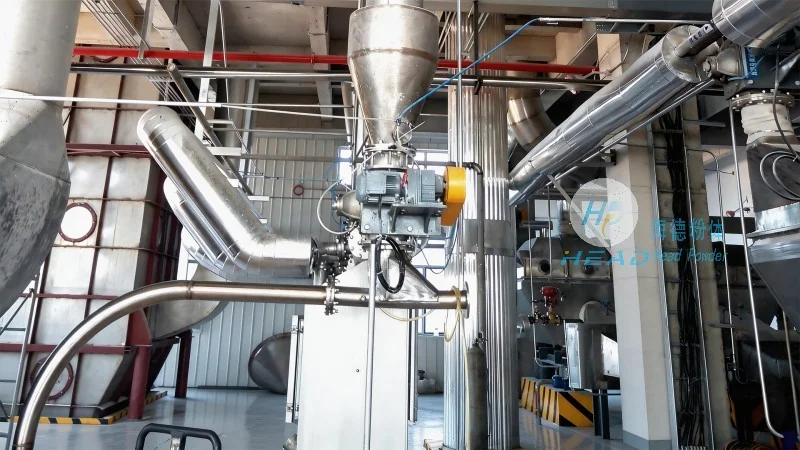
Our oxidized iron pneumatic conveying system is built upon a modular framework comprising several critical components, each playing a vital role in the overall material transport process. The system typically includes a material feed hopper, a rotary airlock valve, a high-pressure air compressor, a conveying pipeline network, and a dust collection or separation unit. The feed hopper is designed to store and meter the oxidized iron feedstock, while the rotary airlock valve acts as a controlled gate to regulate the flow of material into the pipeline. The high-pressure air compressor generates the necessary air pressure to create a pneumatic flow, propelling the oxidized iron particles through the conveying line. The pipeline network is constructed from durable materials, such as stainless steel or corrosion-resistant alloys, to withstand the abrasive nature of oxidized iron and prevent material buildup or blockages. Finally, the dust collection or separation unit ensures compliance with environmental regulations by capturing any airborne particles and returning them to the system or disposing of them appropriately.
Operating Process: Step-by-Step Execution
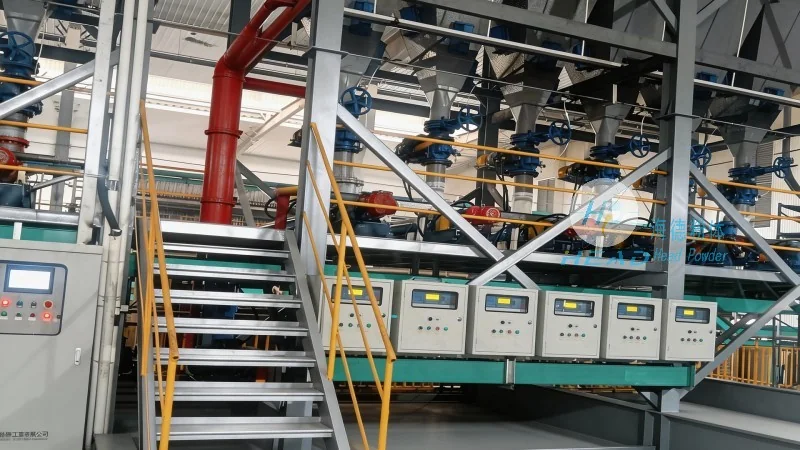
The operation of our oxidized iron pneumatic conveying system follows a systematic sequence of steps to ensure efficient and continuous material transport. The process begins with the loading of oxidized iron into the feed hopper. The rotary airlock valve then opens to allow a controlled quantity of material to enter the conveying pipeline. Simultaneously, the high-pressure air compressor activates, generating a stream of compressed air that flows through the pipeline. As the air and oxidized iron particles mix, the air velocity is sufficient to suspend the particles and transport them through the pipeline to the discharge point. The system maintains a consistent air pressure and flow rate to prevent material settling or blockages in the pipeline. At the discharge end, the oxidized iron is deposited into a receiving container or processing unit. The dust collection system continuously monitors and captures any particles that may escape during the conveying process, ensuring a clean and safe operation environment.
Working Principle: Fluidization and Pneumatic Transport Mechanics
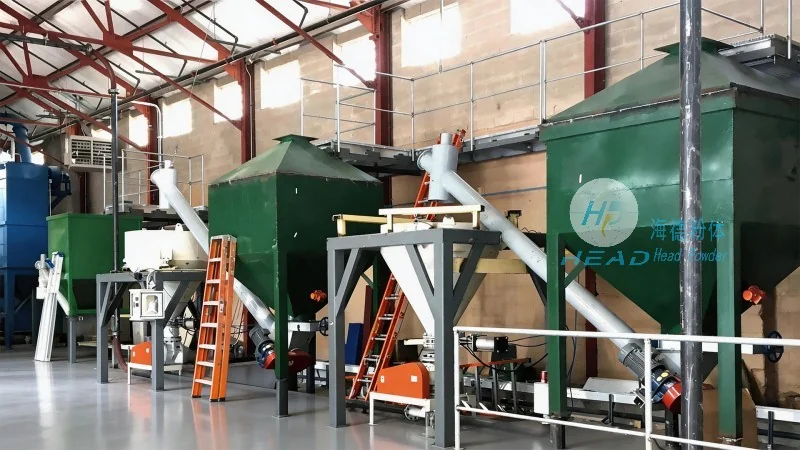
The fundamental working principle of our oxidized iron pneumatic conveying system is based on the concept of fluidization and pneumatic transport mechanics. When compressed air is introduced into the conveying pipeline at a sufficient velocity, it creates a fluidized state where the oxidized iron particles are suspended and transported as a dense or dilute phase. The key to effective pneumatic conveying lies in achieving the optimal air-to-material ratio, which balances the energy consumption with the transport efficiency. Our system employs advanced control algorithms to adjust the air pressure and flow rate in real-time, ensuring that the oxidized iron particles remain suspended and move smoothly through the pipeline without excessive pressure drop or particle degradation. The design of the pipeline and components, such as the airlock valve and compressor, is optimized to minimize friction losses and maintain consistent air velocity, thereby maximizing the system's throughput and reliability.
Advantages and Applications of Oxidized Iron Pneumatic Conveying Systems
Our oxidized iron pneumatic conveying systems offer several advantages over traditional bulk material handling methods, including reduced labor costs, improved safety, and enhanced process control. The enclosed system design minimizes dust exposure and environmental contamination, making it suitable for applications in industrial settings where air quality and worker safety are critical. Additionally, the system's ability to handle oxidized iron in a continuous, automated manner increases production efficiency and reduces downtime associated with manual handling or mechanical conveying. These systems are widely used in various industries, including mining, metallurgy, and chemical processing, where the transport of oxidized iron is essential for downstream processing steps such as smelting, refining, or material blending.
Conclusion and Company Commitment
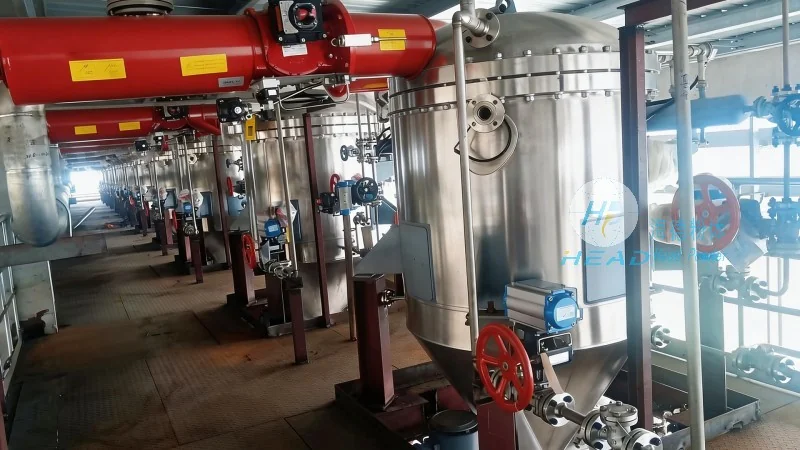
Shandong HeadPowder Engineering Co., Ltd. is committed to delivering high-quality, reliable oxidized iron pneumatic conveying systems that meet the evolving needs of our clients. By combining advanced engineering, robust component design, and meticulous operational control, our systems ensure efficient and safe material transport while adhering to industry standards and environmental regulations. With our headquarters in Shandong, China, we leverage local expertise and resources to provide tailored solutions that enhance productivity and operational performance for our clients. Our team of experienced engineers and technicians is dedicated to supporting clients throughout the entire lifecycle of their pneumatic conveying systems, from initial design and installation to ongoing maintenance and optimization.