

Operation Process and Working Principle of Fertilizer Pneumatic Conveying System Equipment
HeadPowder, a leading manufacturer based in Shandong, China, specializes in the design, development, and production of advanced fertilizer pneumatic conveying system equipment. This article provides a detailed overview of the operational process and working principles of such systems, highlighting their efficiency, reliability, and key components.
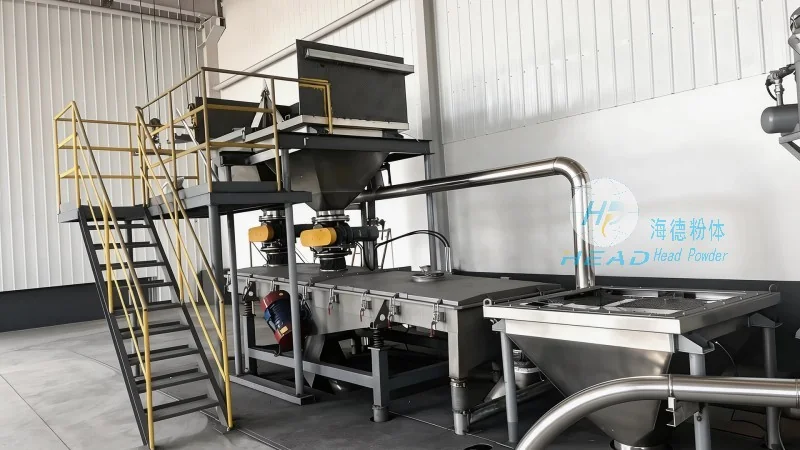
Key Components of the Fertilizer Pneumatic Conveying System
The fertilizer pneumatic conveying system consists of several critical components that work in tandem to ensure smooth and effective material transport. These include the hopper, which serves as the storage and feeding unit; the air compressor, responsible for generating the necessary air pressure; the pipeline network that transports the material; and the control system that regulates the entire operation. Each component plays a vital role in maintaining the system's performance and ensuring safe and efficient operation.
Working Principle of the Fertilizer Pneumatic Conveying System
The core working principle of the fertilizer pneumatic conveying system is based on the use of air pressure to move bulk materials. The process begins with the material being fed into the hopper from a storage silo or container. The air compressor then generates a high-pressure air stream, which is introduced into the pipeline system. As the air flows through the pipeline, it creates a low-pressure zone that draws the material from the hopper into the air stream. The mixture of air and material is then transported through the pipeline to the discharge point, where the material is separated from the air and collected in the receiving container. This process is typically continuous, allowing for a steady flow of fertilizer from the storage to the application site.
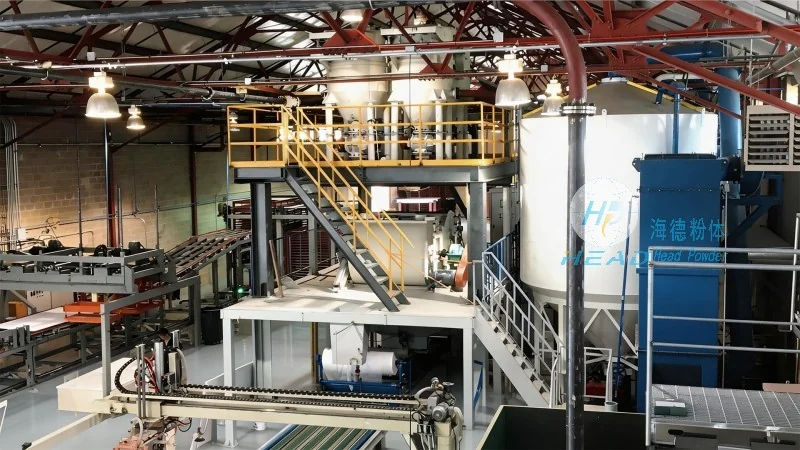
Operation Process of the Fertilizer Pneumatic Conveying System
The operation of the fertilizer pneumatic conveying system involves several sequential steps that ensure optimal performance. First, the system is started by activating the air compressor and the control system. The material is then fed into the hopper at a controlled rate, which is adjusted based on the required flow rate. The air compressor maintains a consistent pressure, ensuring that the material is continuously drawn into the pipeline. During operation, the control system monitors key parameters such as pressure, flow rate, and material level, providing real-time feedback to adjust the system as needed. The system continues to operate until the material is fully transferred to the discharge point, after which it can be stopped and prepared for the next batch of material.
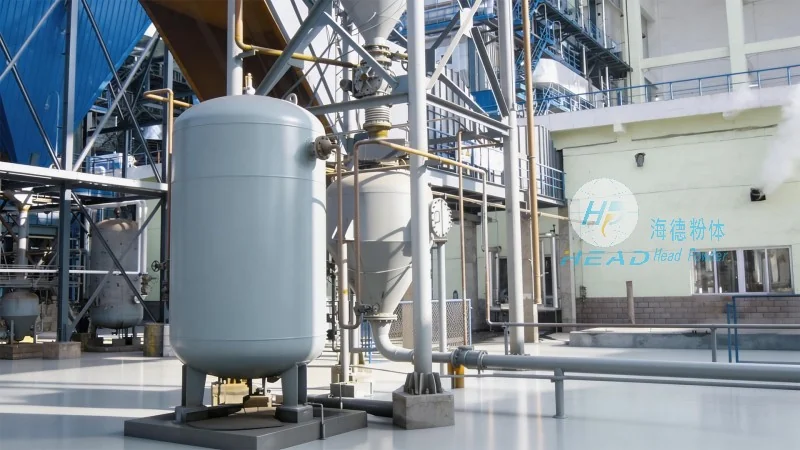
Advantages of Fertilizer Pneumatic Conveying System Equipment
HeadPowder's fertilizer pneumatic conveying system equipment offers several advantages over traditional conveying methods. These include high efficiency in material transport, as the system can handle large volumes of fertilizer with minimal labor. The system is also highly flexible, allowing for easy adjustment of the flow rate and direction of material transport. Additionally, the equipment is designed for low maintenance, with durable components that ensure long-term reliability. The use of pneumatic conveying also reduces the risk of material contamination and damage, making it ideal for transporting sensitive fertilizers.
Application and Industrial Use
The fertilizer pneumatic conveying system is widely used in the agricultural and fertilizer industry for the efficient transport of bulk materials. It is commonly employed in fertilizer production plants, storage facilities, and distribution centers to move raw materials, finished products, and intermediates. The system is particularly suitable for transporting granular or powdered fertilizers, as it can handle a wide range of particle sizes and densities. Its ability to operate in a closed system also helps in maintaining environmental standards and reducing dust emissions, making it a preferred choice for modern fertilizer handling operations.