

Operation Process and Working Principle of Automatic Tonne Bag Feeding Pneumatic Conveying Line
HeadPowder, a leading engineering company based in Shandong, China, specializes in the design and manufacturing of advanced pneumatic conveying systems. The automatic tonne bag feeding line is a sophisticated solution tailored for efficient material handling in industrial applications. This system integrates automated bag opening, material discharge, and pneumatic transport, ensuring seamless and reliable operation.
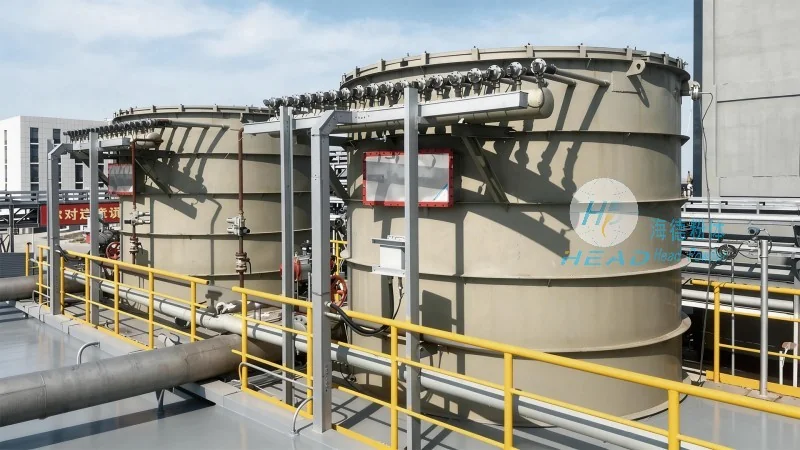
Working Principle of the Pneumatic Conveying System
The automatic tonne bag feeding line operates by combining mechanical and pneumatic technologies to handle bulk materials from sealed bags. The process begins with the automated opening of the tonne bag, which is typically equipped with a specialized valve or cutting mechanism. Once the bag is opened, the material inside is discharged into a hopper or feeder. Simultaneously, a high-pressure air stream is generated by a blower or compressor, creating a vacuum or pressure differential that propels the material through the conveying pipeline. The system utilizes a series of components, including a bag opener, feeder, airlock, and pipeline, to ensure consistent material flow and minimal loss.
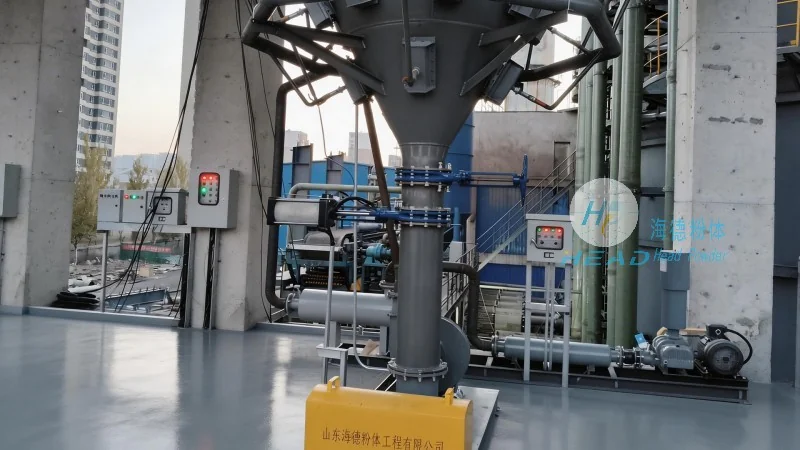
Operation Process of the System
The operation of the automatic tonne bag feeding line involves several key steps that ensure efficient material transfer. First, the tonne bag is positioned on the feeding platform, where an automated bag opener initiates the opening process. The opener may use a mechanical cutter or a pneumatic actuator to sever the bag's top, allowing the contents to fall into the hopper. Next, the feeder, often a rotary valve or screw feeder, regulates the flow of material from the hopper into the conveying line. The airlock, located at the discharge end, prevents backflow and maintains a consistent pressure in the system. The blower then generates the necessary air pressure, which pulls the material through the pipeline to the destination silo or storage tank. Throughout the process, sensors and control systems monitor the flow rate, pressure, and other parameters to maintain optimal performance and prevent blockages or overloading.
Key Features and Advantages
The automatic tonne bag feeding line offers several advantages over traditional manual or semi-automatic systems. Firstly, it significantly reduces labor costs by automating the entire bag handling process, from opening to discharge. The system minimizes material spillage and contamination, as the sealed bag is handled without direct human contact. Additionally, the pneumatic conveying method ensures gentle material handling, preserving the integrity of the product, especially for delicate or sensitive materials. The automated control system provides real-time monitoring and adjustment, enhancing operational efficiency and reducing downtime. The modular design of the system allows for easy integration with existing production lines and scalability to accommodate varying material volumes.
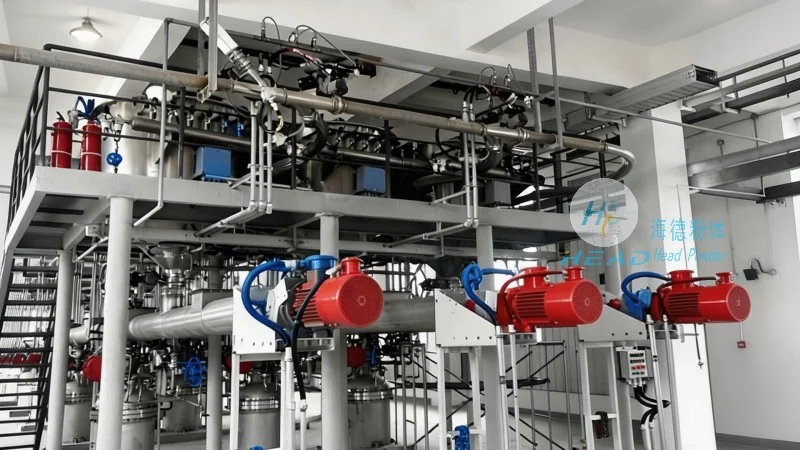
Applications and Industries
The automatic tonne bag feeding line is widely used in various industries that require bulk material handling, including chemical, food, pharmaceutical, and agricultural sectors. In the chemical industry, it efficiently transfers powders and granules from sealed bags to processing equipment, ensuring safety and compliance with regulatory standards. In the food industry, the system maintains hygiene and prevents cross-contamination, making it suitable for handling food-grade materials. The pharmaceutical industry benefits from the system's ability to handle sensitive powders with minimal risk of contamination, adhering to strict quality control requirements. Agricultural applications include the handling of fertilizers, feed additives, and other bulk agricultural products, improving storage and distribution efficiency.