

<h3>Principle and Working Scenario Characteristics of Pneumatic Conveying Systems for Plastic Pellet
HeadPowder, a leading manufacturer based in Shandong, China, specializes in the design and production of advanced pneumatic conveying systems tailored for handling plastic pellet materials. These systems are essential in various industrial applications where efficient and reliable material transport is critical. The following sections will explore the fundamental principles behind these systems and the specific working scenarios where they excel.
The Working Principle of Pneumatic Conveying Systems for Plastic Pellets
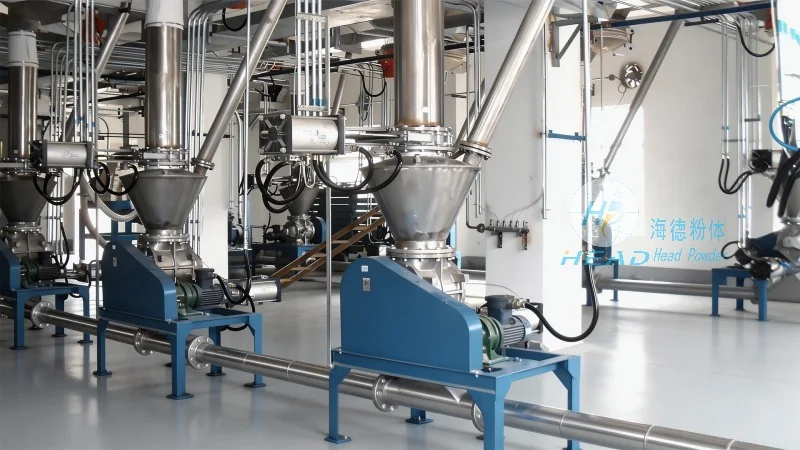
Pneumatic conveying systems operate by using compressed air or gas to transport bulk materials through a pipeline. In the case of plastic pellet materials, the system typically involves a hopper or feeder that feeds the pellets into a duct. The compressed air then creates a flow that propels the pellets through the pipeline to the discharge point. This method eliminates the need for mechanical components like belts or screws, reducing maintenance and operational costs. The system can be categorized into two main types: dilute-phase and dense-phase, each offering different advantages depending on the material properties and distance of transport.
Key Working Scenario Characteristics of Plastic Pellet Pneumatic Conveying Systems
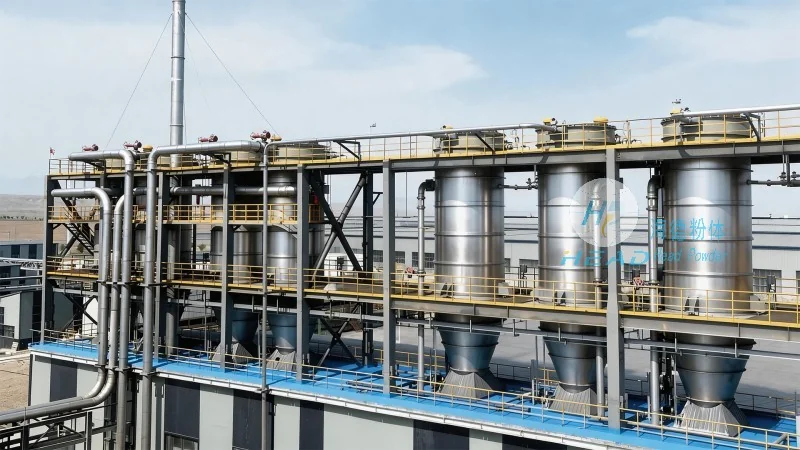
When applied in industrial settings, these systems exhibit several distinct characteristics that make them ideal for plastic pellet handling. Firstly, they provide a clean and dust-free environment, which is crucial for maintaining product quality and compliance with environmental regulations. Secondly, the systems offer high efficiency in material transport, with minimal product degradation compared to other methods like manual handling or mechanical conveyors. Thirdly, they are highly flexible, allowing for easy integration into existing production lines and adaptation to varying production volumes. Additionally, the systems are compact and can be installed in confined spaces, making them suitable for facilities with limited floor space. The ability to handle different types of plastic pellets, such as polyethylene, polypropylene, and polystyrene, further enhances their versatility in diverse manufacturing processes.
Application Examples in Industrial Settings
The effectiveness of pneumatic conveying systems for plastic pellets is demonstrated in various industrial applications. For instance, in plastic manufacturing plants, these systems are used to transport raw plastic pellets from storage silos to processing machines, ensuring a continuous and uninterrupted supply of materials. In recycling facilities, they help in moving recycled plastic pellets from sorting and cleaning stages to the extrusion or molding equipment. The systems are also widely used in packaging and printing industries where plastic pellets are used to produce films or containers. Each of these scenarios highlights the importance of reliable material transport, and the pneumatic conveying systems from HeadPowder provide the necessary solution with their robust design and efficient operation.
Conclusion
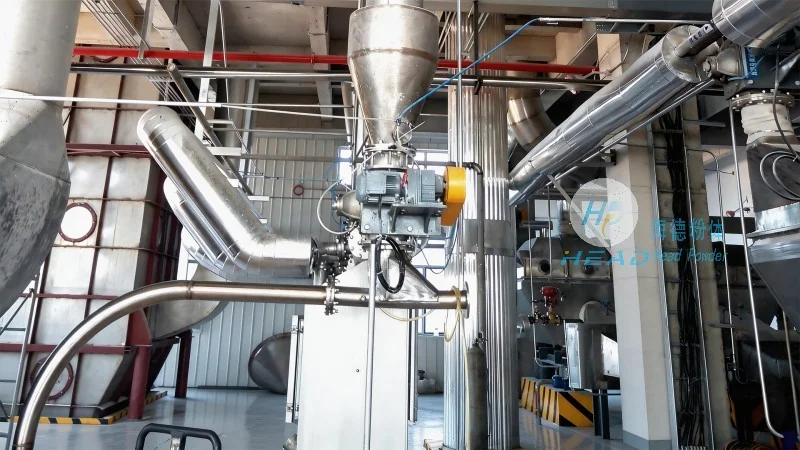
HeadPowder's pneumatic conveying systems for plastic pellet materials represent a sophisticated solution for modern industrial material handling needs. By leveraging the principles of pneumatic transport, these systems offer efficiency, cleanliness, and flexibility, making them a preferred choice in various applications. With a strong presence in Shandong, China, HeadPowder continues to innovate and provide high-quality equipment that meets the evolving demands of the industry. The working scenario characteristics and operational principles discussed here underscore the value of these systems in enhancing productivity and maintaining product integrity in plastic processing operations.