

What Are the Delivery Methods for Fine Polishing Sand? An Overview of the Advantages and Features of Fine Polishing Sand Pneumatic Conveying
When it comes to handling fine polishing sand, selecting the right delivery method is crucial for maintaining efficiency, product quality, and operational safety. Fine polishing sand, often used in industrial processes such as metalworking, glass manufacturing, and surface finishing, requires specialized equipment to ensure effective and reliable transport. Among the various options available, pneumatic conveying stands out as a preferred solution due to its unique advantages and technical capabilities. This article explores the different delivery methods for fine polishing sand, with a focus on the benefits and characteristics of pneumatic conveying systems.
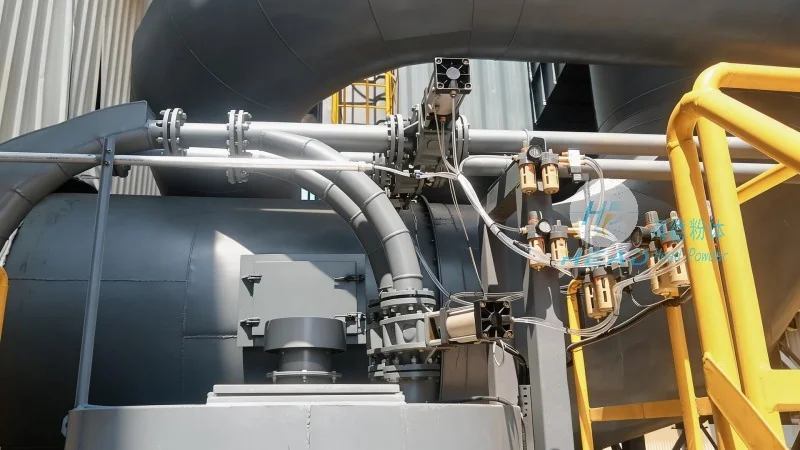
Understanding Pneumatic Conveying for Fine Polishing Sand
Pneumatic conveying, also known as air conveying, is a method that uses compressed air or other gases to transport fine polishing sand and other particulate materials through a pipeline system. Unlike traditional mechanical methods like belt conveyors or bucket elevators, pneumatic conveying offers a non-contact, closed-loop transport solution that minimizes product contamination and dust exposure. The process typically involves a hopper where the fine polishing sand is loaded, a compressor that generates the necessary air pressure, and a pipeline network that directs the material to its destination. As the air flows through the system, it entrains the fine particles, carrying them along the pipeline with minimal friction and loss of material.
Key Advantages of Pneumatic Conveying Systems
One of the primary advantages of pneumatic conveying for fine polishing sand is its ability to handle delicate and abrasive materials without causing damage or degradation. Fine polishing sand is often composed of small, irregular particles that can be easily broken or contaminated by mechanical contact. Pneumatic systems, by contrast, use air as the transport medium, reducing the risk of particle breakage and maintaining the original quality of the material. Additionally, pneumatic conveying provides a clean and dust-free environment, which is essential for applications where product purity is critical. The closed-loop system prevents dust from escaping into the workplace, enhancing safety and compliance with environmental regulations.
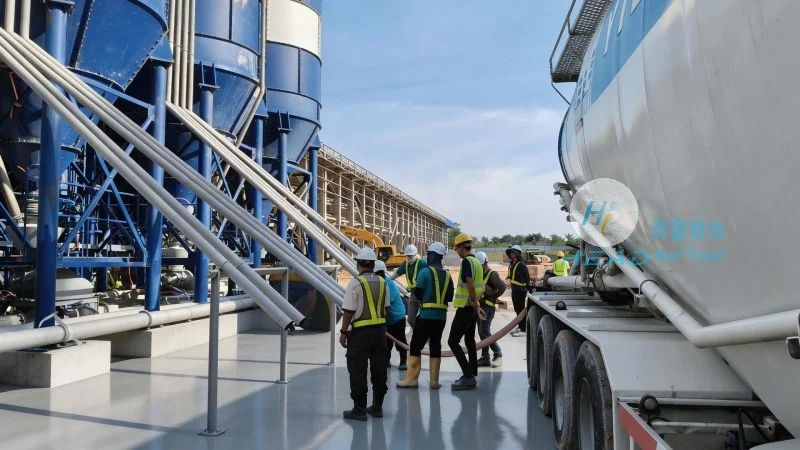
Another significant benefit is the flexibility and scalability of pneumatic conveying systems. These systems can be easily adapted to different production volumes and layouts, allowing for seamless integration into existing industrial setups. Whether for small-scale operations or large-scale manufacturing facilities, pneumatic conveying can be customized to meet specific requirements, including varying material flow rates and pipeline lengths. The modular design of these systems also facilitates maintenance and upgrades, ensuring long-term operational reliability.
Technical Features and Operational Benefits
Pneumatic conveying systems for fine polishing sand typically include several key components that contribute to their efficiency and performance. These components include a material hopper with a loading valve, a rotary airlock or feeder to control the flow of sand into the pipeline, a compressor or blower to generate the required air pressure, and a pipeline network with appropriate fittings and valves. The system may also feature a dust collector or filter to capture any fine particles that escape the main pipeline, ensuring minimal environmental impact. Operational benefits of pneumatic conveying include reduced labor costs, as the system can operate with minimal human intervention, and increased productivity due to continuous and uninterrupted material transport.
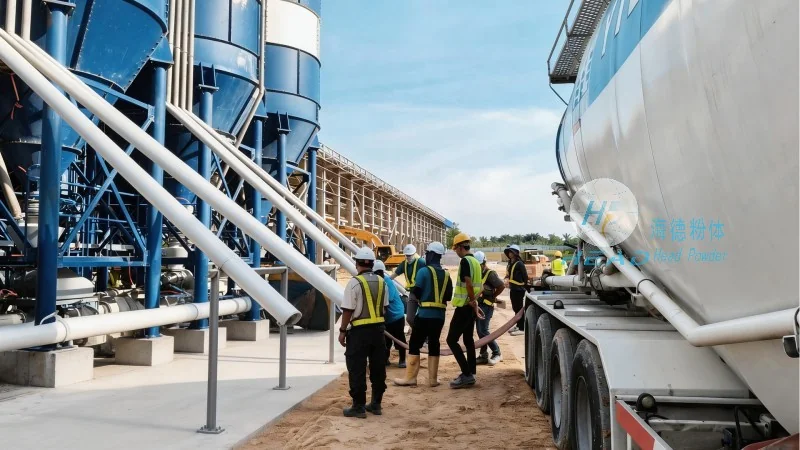
Furthermore, pneumatic conveying offers precise control over material flow rates and pressure, allowing for consistent and uniform delivery of fine polishing sand to processing equipment. This level of control is particularly important in applications where the quality of the final product depends on the exact amount and consistency of the polishing material. The ability to adjust air pressure and flow rates in real-time enables operators to optimize the system for different material types and process conditions, maximizing efficiency and minimizing waste.
Practical Applications and Industry Impact
Fine polishing sand pneumatic conveying systems are widely used in various industries, including automotive manufacturing, aerospace, and precision engineering. In automotive production, for example, these systems are used to transport polishing sand to grinding and polishing machines, ensuring smooth and consistent surface finishing of metal components. In aerospace, pneumatic conveying is employed to deliver fine polishing sand to high-precision machining operations, where even the smallest particles can affect the performance and safety of aircraft parts. The versatility of pneumatic conveying makes it suitable for a wide range of applications, from small-scale workshops to large-scale industrial plants.
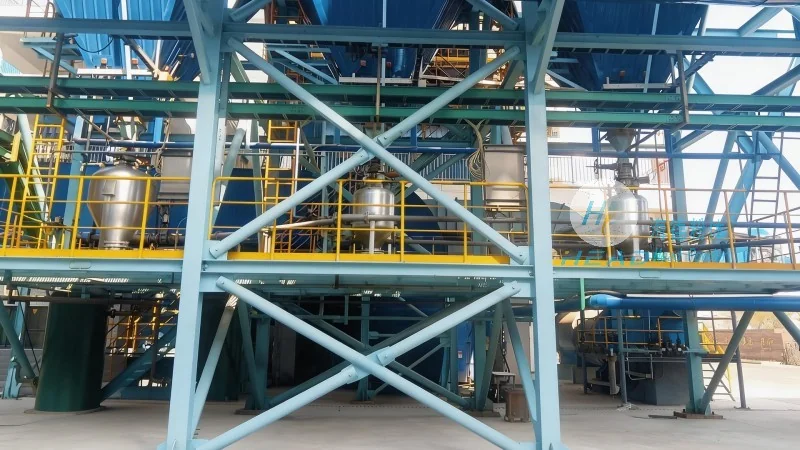
The adoption of pneumatic conveying for fine polishing sand has had a positive impact on the overall efficiency and sustainability of industrial operations. By reducing material loss and contamination, these systems contribute to cost savings and improved product quality. Additionally, the closed-loop design of pneumatic systems minimizes dust emissions, reducing the environmental footprint of manufacturing processes. As industries continue to prioritize sustainability and operational excellence, the use of advanced pneumatic conveying technology for fine polishing sand is likely to become more prevalent.
Conclusion and Company Overview
In conclusion, the delivery of fine polishing sand requires specialized methods that balance efficiency, product quality, and operational safety. Pneumatic conveying stands out as a superior solution due to its non-contact transport, minimal contamination, and flexible design. The advantages of pneumatic conveying systems, including their ability to handle delicate materials, provide clean environments, and offer precise control, make them an ideal choice for modern industrial applications. As a leader in fine polishing sand processing and delivery solutions, Shandong HeadPowder Engineering Co., Ltd. specializes in providing high-quality pneumatic conveying systems tailored to the specific needs of its clients. With a focus on innovation and customer satisfaction, HeadPowder continues to advance the technology and application of fine polishing sand pneumatic conveying, supporting the growth and success of industries that rely on precision surface finishing.