

Principle and Working Scene Characteristics of Glass Fiber Cellulose Powder Pneumatic Conveying Equi
HeadPowder, a leading provider of material handling solutions, specializes in advanced pneumatic conveying systems designed for the efficient transport of glass fiber cellulose powders. This article explores the fundamental principles behind these systems and highlights the key characteristics of their operational environments.
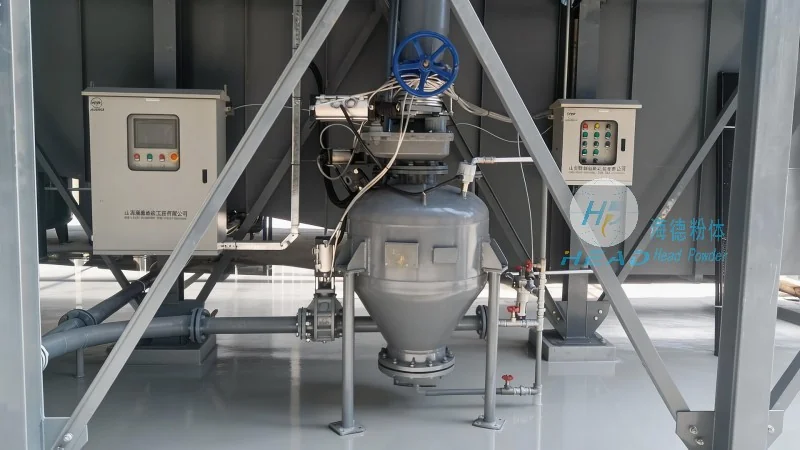
Company Overview and Expertise
HeadPowder, operating under the full name Shandong HeadPowder Engineering Co., Ltd., is headquartered in Shandong, China. With a strong focus on engineering innovation and customer-centric solutions, the company has established itself as a trusted partner in the material handling industry. Specializing in the design, manufacturing, and implementation of pneumatic conveying equipment, HeadPowder leverages decades of experience to deliver reliable systems tailored to the unique demands of glass fiber cellulose powder applications.
The Core Principle of Pneumatic Conveying for Glass Fiber Cellulose Powders
Pneumatic conveying systems utilize air or gas to transport bulk materials, such as glass fiber cellulose powders, through a network of pipes. The fundamental principle involves creating a pressure differential between the conveying line and the ambient environment. By introducing air at a controlled velocity, the system generates sufficient force to lift and move the powder particles through the pipeline. This method eliminates the need for mechanical components like conveyors or elevators, reducing maintenance requirements and enhancing operational efficiency. For glass fiber cellulose powders, which are often fine and abrasive, the design of the conveying system must account for particle size, density, and flow characteristics to ensure smooth and consistent transport.
Key Working Scene Characteristics
The operational environment of glass fiber cellulose powder pneumatic conveying equipment is defined by several critical characteristics that influence system performance and reliability. These include:
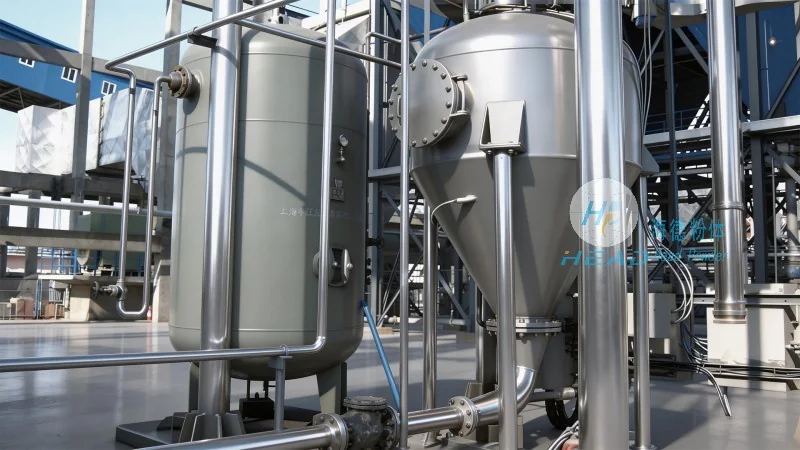
1. Material Properties and Handling Challenges
Glass fiber cellulose powders are known for their fine particle size, which can lead to issues like dust accumulation and caking. The pneumatic conveying system must be designed to prevent particle agglomeration and maintain consistent flow rates. Additionally, the abrasive nature of glass fibers can cause wear on system components, necessitating the use of durable materials like stainless steel or specialized coatings to extend equipment lifespan.
2. Process Integration and System Flexibility
In industrial settings, the pneumatic conveying system often integrates with other processing equipment, such as mixers, dryers, or packaging units. The flexibility of the system to adapt to varying production rates and material flow requirements is crucial. HeadPowder’s systems are engineered to accommodate different flow capacities, from low to high throughput, ensuring seamless integration into existing production lines. This adaptability reduces downtime and enhances overall operational efficiency.
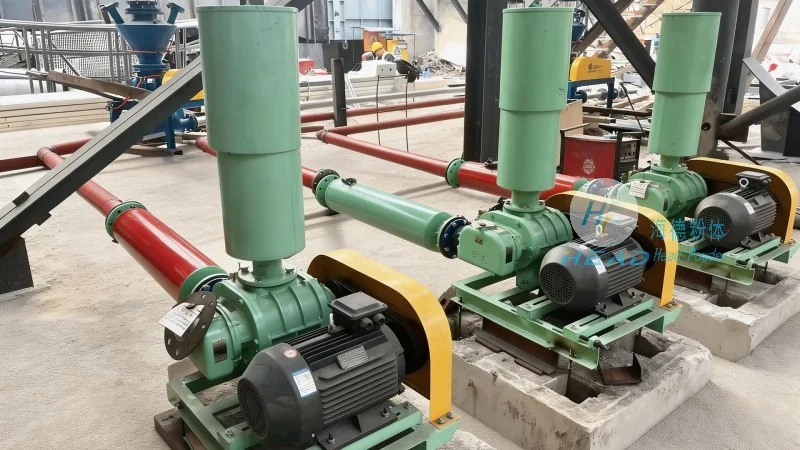
3. Environmental and Safety Considerations
The handling of glass fiber cellulose powders requires attention to environmental and safety standards. Pneumatic conveying systems are designed to minimize dust emissions and maintain air quality within acceptable limits. Proper filtration and ventilation systems are integrated to prevent particle dispersion into the workplace. Furthermore, the system’s design adheres to safety regulations, ensuring that operators can handle the equipment with minimal risk of injury from moving parts or material exposure.
4. Energy Efficiency and Operational Costs
Modern pneumatic conveying systems prioritize energy efficiency to reduce operational costs. By optimizing air pressure and flow rates, the system minimizes energy consumption while maintaining effective material transport. HeadPowder’s advanced designs incorporate energy-saving features, such as variable frequency drives (VFDs) and optimized pipe layouts, to enhance performance and reduce long-term operational expenses. This focus on efficiency makes the system economically viable for both small-scale and large-scale industrial applications.
Conclusion
HeadPowder’s glass fiber cellulose powder pneumatic conveying equipment exemplifies the integration of advanced engineering principles with practical operational needs. By understanding the unique characteristics of glass fiber cellulose powders and the demands of industrial environments, the company delivers systems that ensure reliable, efficient, and safe material transport. With a commitment to innovation and customer satisfaction, HeadPowder continues to provide solutions that meet the evolving requirements of the material handling industry.